This passage is absolutely loaded with symbolic imagery that I can't stop thinking about.
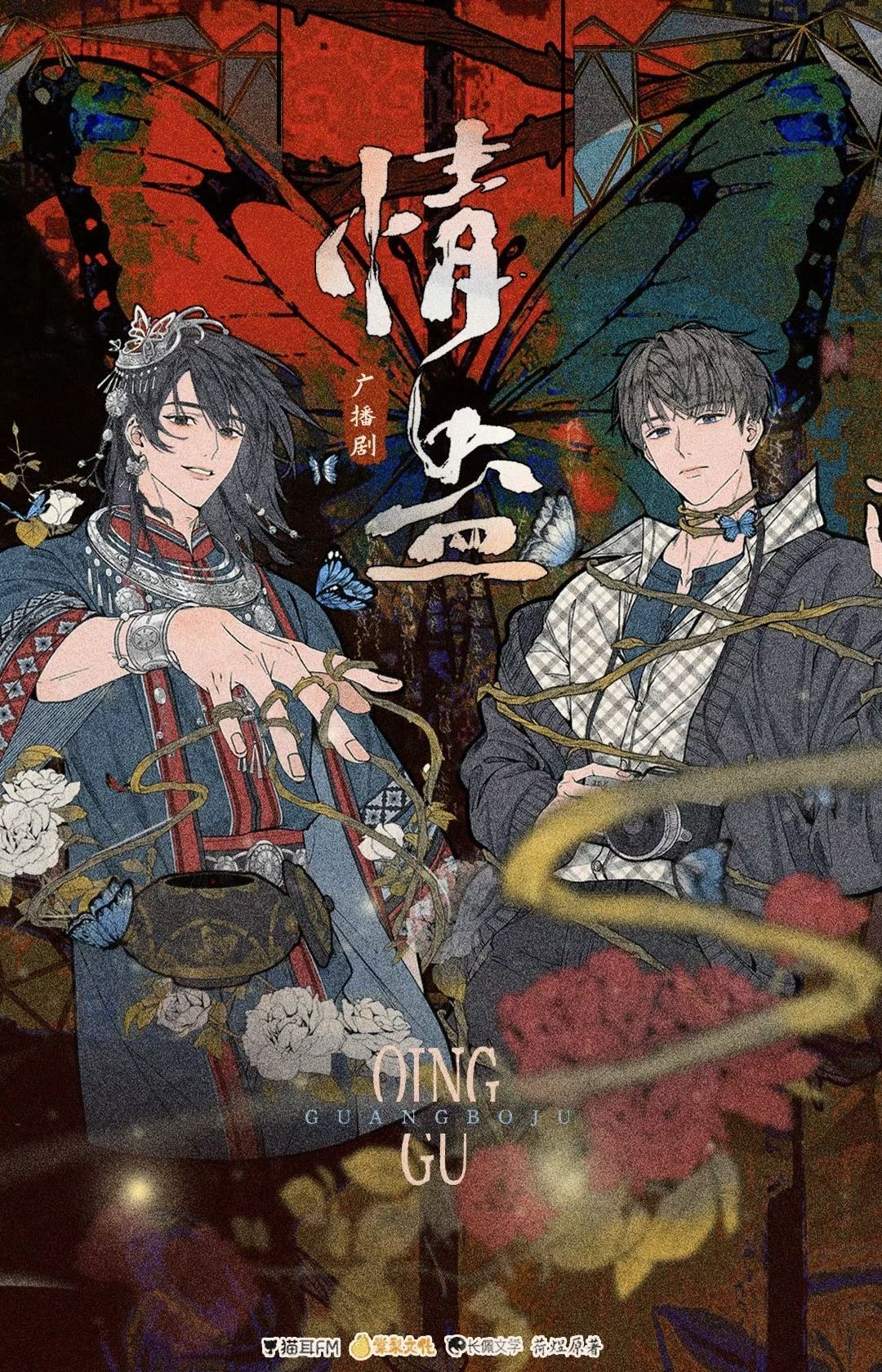
The sachet is the most devastating symbol here. In Miao culture, giving and receiving a sachet is a genuine expression of romantic affection — it's supposed to mean something beautiful, something voluntary. But Shen Jianqing twists it into a noose. He threads it onto the protagonist's neck like a collar. The imagery is almost too on-the-nose to be coincidental: the symbol of love becomes an instrument of bondage. "According to our customs, accepting a sachet means accepting affection." He's literally redefining consent through cultural framing.
Then there's the cave — the underground, bottomless space where the confrontation happens. Caves in literature almost always symbolize the unconscious, hidden truths, descent into darkness. The protagonist is pushed into this space (literally and metaphorically) where the hidden reality of Shen Jianqing is exposed. "Behind me was a deep, bottomless cave, with nothing to lean on." No support. No escape. Just the raw, unfiltered truth of what this person is.
The snake imagery appears earlier and returns here. "Like the snake from last night, beautiful yet dangerous." The snake is one of the oldest symbols in literature for deception — the Garden of Eden, temptation, hidden poison. Shen Jianqing IS the serpent. He looks beautiful (repeatedly described as dazzling), but his nature is poisonous.
And the blood — constantly appearing, constantly beautiful in its horror. "In the vibrant red blood, the red mole on his eyelid appeared even more bewitching and vivid." The intersection of beauty and brutality, wound and allure. This is someone whose damage is also his power, and the protagonist is caught between revulsion and survival instinct.
These symbols aren't decoration. They're the author's way of showing us that this isn't just a bad person doing a bad thing — it's a systemic corruption of everything that should be protective: culture, nature, beauty, love.