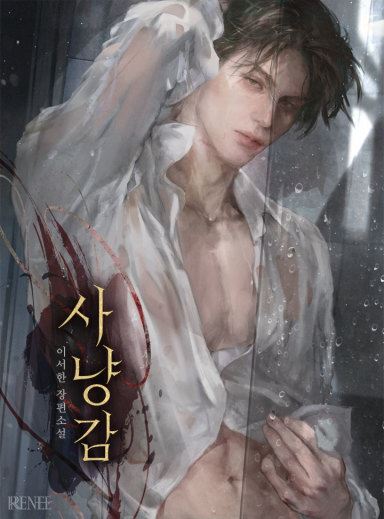
Let's talk about the hallway scene because it's one of the most claustrophobic, charged spaces I've read in years. The author doesn't give you a grand estate or a moonlit garden—they give you a front door, a narrow entryway, and a wall. And yet, it feels like a cage. Jeonghan backs Suhyeon against that door and the whole world shrinks to the space between them. The sound of the door slamming shut, the rip of her buttons, the texture of the rug under her bare skin—all of it grounds the scene in physical reality. I love how the author uses domestic objects to heighten tension: the ring that scratches his cheek and falls to the floor, the jacket she hangs on the doorknob, the stocking and panties she tears. These aren't just props; they're markers of power and vulnerability. The jacket, in particular, becomes a recurring motif—first she hangs it on his door, then she returns it with the ring inside, and later it's still there waiting for her. It's like a ghost of their last encounter. And the setting shifts subtly: Jeonghan's house feels imposing, his doorway a threshold of control, while Suhyeon's own home becomes a sanctuary she's desperate to retreat to. The contrast between the two spaces reinforces the emotional stakes. I also noticed how the author plays with light and shadow—Jeonghan's ‘bloodshot eyes,' Suhyeon's ‘pitch-black eyes glistening with moisture,' the ‘sparkling' ring on the floor. These visual details make the scene feel cinematic without losing intimacy. It's a masterclass in using environment to mirror internal chaos.