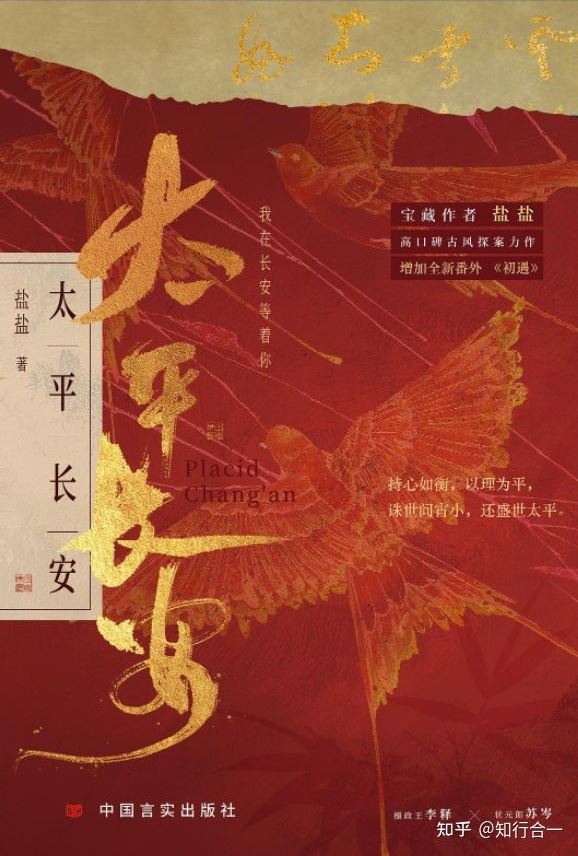
This chapter is a masterclass in controlled pacing, and I want to break down why it works so well for me as a reader.
It opens at a relatively leisurely pace with Su Cen exploring the Examination Hall, reading the couplets, reflecting on his teacher. There's a brief moment of tension when he circles around the outer wall, but then it slows again before suddenly pivoting with that night encounter. The discovery of the people burning paper offerings happens almost casually — he's just walking, turns a corner, and suddenly his scalp is tingling. That contrast between the mundane and the eerie is exactly how the chapter builds its atmosphere.
The night scene at the residence with Ah Fu is where the pacing really shows its range. Su Cen sits in thought, his mind cycling between images — Qu Ling'er's delicate face, the paper money burner, and finally merging into those deep, unfathomable eyes of the mysterious person. The prose slows down here, lingering on his internal state, and it gives the chapter a kind of breathlessness that mirrors Su Cen's own restless energy.
Then comes the morning, and the pace quickens dramatically. He prepares his materials, joins the vast army of scholars, enters through the main gate. The cells are described in quick succession, and right as we think the chapter might settle into the exam itself, there's this sudden commotion behind him. The thin man berating the chubby man — everything converges in this final moment.
What I find most effective is that the author never lets the chapter rest in one emotional register for too long. It moves from intellectual curiosity to superstition and dread to personal reflection to public confrontation. Each transition feels earned, and the structure keeps me leaning forward instead of letting me settle into passive reading. That final image of the chubby man, still bowing even as the thin man departs with his curses, is exactly the kind of note that makes you want to turn the page immediately.