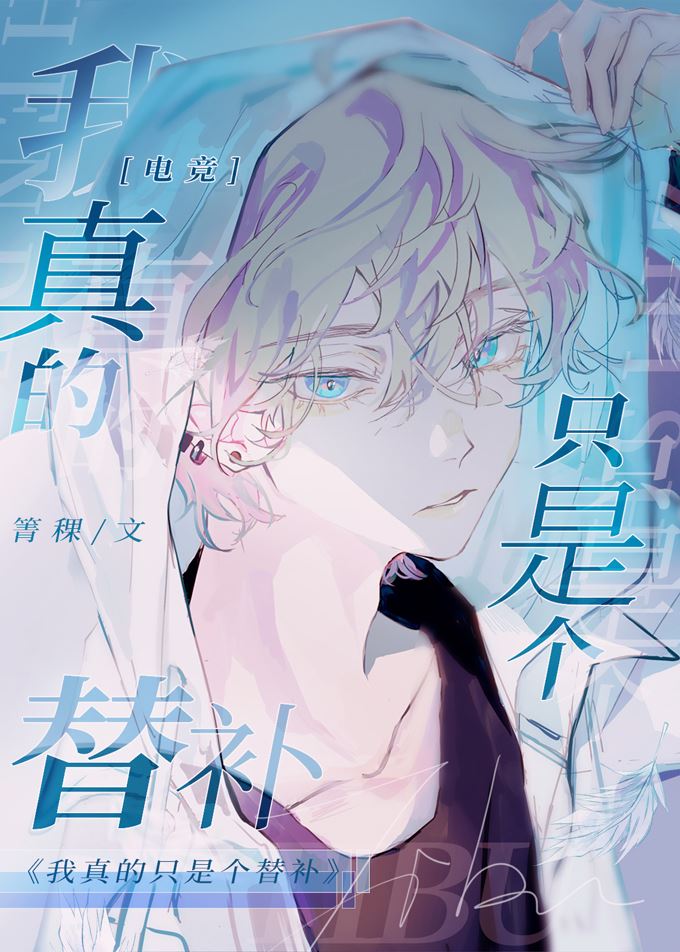
There's a line in this chapter that I've been repeating in my head ever since I finished reading: "In esports, being bad is the original sin. Everything else is just an illusion."
On the surface, this is just Lin Lan's cold assessment of the competitive gaming world. But read it again and it opens up into something much darker. If being bad is the original sin, then what does that make everyone else? What does that make the people who surround themselves with bad players, the fans who enable toxic behavior, the system that reduces human worth to kill counts and win rates?
The metaphor of the mirror runs through this whole section too. Lin Lan looking at his reflection and seeing a different person—not just physically, but spiritually. The original owner was hollowed out by something (insomnia? despair? the grind?), and Lin Lan's presence literally fills him back in. It's a symbolic rebirth, a soul transplant that becomes visible on the skin.
And then there's the team itself as a microcosm. Wu Tianqi represents everything wrong with esports culture—the ego without the skill, the blame-shifting, the demand for command without earning it. Xiao Shengjing represents the quiet competence that actually wins games. Lin Lan is somewhere in between, watching, learning, deciding where he stands. The meeting at the end where Brother Mu mentions the stakes is the thematic culmination: this whole ecosystem of ego, talent, and survival is about to be tested.
> "If we fail to qualify this time, DT will never have a chance."
Chance at what? Survival? Dignity? Just existing in a world that only values winners? The ambiguity is the point.