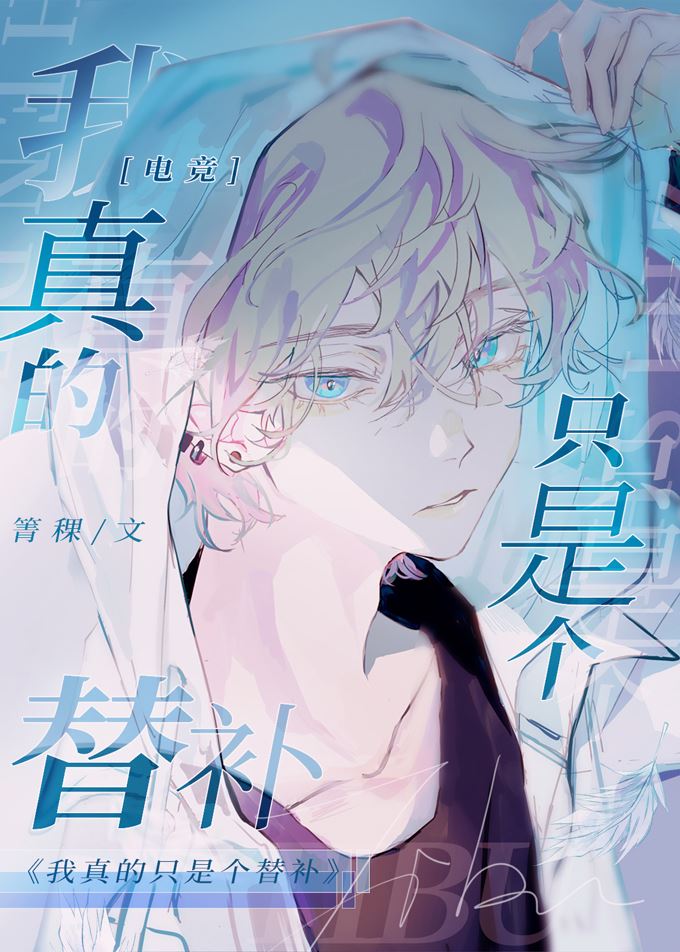
The imagery in these chapters is so specific it almost hurts. That hospital room—white, sterile, clinical—contrasted with the glow of the computer screen and the chaotic energy of the gaming environment. It's like the author is constantly reminding us that Lin Lan lives between two very different worlds, and neither one fully belongs to him.
The mirror world scenes have this dreamlike quality. The description of white light swirling, consciousness spinning in a whirlwind—it feels suspended, like being caught between breaths. And then suddenly you're in a gaming arena with teammates yelling at you through headphones. The transition is jarring in the best way.
What I love about the author's approach to worldbuilding is that we don't get infodumps. We learn about the ranking system (Iron all the way to Challenger) organically through gameplay. We learn about Dragon Soul and Baron Nashor through actual matches. The rules emerge from action, not explanation. It's like the author trusts us to keep up.
There's also this haunting visual of Lin Lan seeing himself in the mirror—sixteen or seventeen, still weak, reaching out a hand through the glass. The mirror isn't just a plot device here; it's almost a character. It reflects, it distorts, it connects. I keep thinking about what happens when the glass finally breaks.