I Just Wanted to Propose - Reviews

I Just Wanted to Propose
+Add to Custom List
Sort
Add review
... Read More
Okay so first of all CAN WE TALK about that opening?? Like. The author just SHOVES us into a windowless basement with a bound woman and a husband whose face looks like a honed blade and I am NOT okay. And then it FLASHES BACK like... what the hell is going on and why does he say she's been acting like she married him out of charity?? I had to re-read that opening three times before I could even handle going into the flashback. But honestly? Genius. Pure genius. Because when you finish the whole chapter and realize: oh. Oh right. This contract marriage thing? It wasn't some fairy tale arrangement. It was real. She actually did agree to something. And then somewhere along the way, SHE fell for HIM and then tried to leave. The setup is SO clean. You have Lionette — count's daughter, zero social grace, spent her whole life being told she'd marry up and instead she's at twenty with no prospects and her dad wants to ship her off to some old provincial nobleman. And then you have Dante — Duke, distant imperial cousin, platinum hair, gets SLAPPED by his fiancée because he turned HER down, and he needs someone who won't fall in love with him. These two are literally perfect for each other and neither of them knows it yet. The irony is making me scream. And that ending — 'the person in question isn't there' — I was already obsessed. The way the author dangles that proposal announcement like a baited hook and then cuts us off with her running away? Chilling. The plot structure here is doing something really smart by front-loading the future tension and then rewinding. It's not just a contract marriage romance, it's a romance where we ALREADY KNOW something goes wrong and we're watching the slow motion approach toward it. That's not just engaging, that's devastating in the best way.
... Read More
I need to talk about how this chapter is structured because it's doing something really clever and I want to figure out exactly how it works. It starts IN MEDIA RES — basically at the end of the story. Lionette is bound, in a basement, and her husband is confronting her about wanting a divorce. This is the emotional climax of their relationship, compressed into maybe five hundred words, and then we just... rewind. The transition from 'You will remain a Siegfried until the day you die' to a flashback of how they met is seamless enough that you don't even notice the pivot until you've already committed to the earlier timeline. That's some next-level pacing control right there. Then the middle section — the garden encounter, the conversation, the negotiation — it moves at this almost breathless pace. Every beat builds on the last. She spies on him → he catches her → she accidentally tells him his fiancée broke up with him → she proposes to BE his fiancée → he says give me three days → three days pass → he shows up at her house → he proposes in public. Each scene is short, punchy, and ends on a note that makes you immediately need the next one. There is zero fat here. The author knows exactly when to cut and when to linger. The climax of the chapter — 'I proposed to her' — lands with such weight because we've been tracking every step that led to it. We watched two people who genuinely shouldn't work together (opposing families, completely different temperaments) slide into this arrangement one accidental decision at a time. And then the chapter ENDS with that basement reveal, and now everything we just read has been recontextualized. Those three days of awkward conversations and mutual deflections? They were the calm before the storm. The author basically tricked us into falling in love with this couple and then yanked the rug out from under us. I am not ready for what comes next.
... Read More
I need a moment. I literally need a moment. During the Schperghen dance after those women absolutely DESTROYED Lionette with their gossip—calling her someone who used her body as leverage, implying she slept with the Duke to trap him—and Dante just appears. Like, where did he come from? Through a crowd to wrap his arm around her shoulder. And then THIS exchange: "You helped me. You didn't have to do that." "What do you mean, 'didn't have to'?" "I mean it was something I was going to have to hear eventually." "You shouldn't have to get used to that sort of thing." It sounded like a murmur to himself, yet it came across like a vow. THAT IS IT. THAT IS THE MOMENT. He's not just shutting them up for show—he's genuinely, actually telling her she doesn't need to normalize this level of cruelty. And she's over here trying to figure out if he's faking affection this convincingly because apparently in her experience, being treated well is the suspicious part. The romantic tension between them is so undercooked right now but the FOUNDATIONS are already there. He notices she practices cross-stitch and reading and walking. He comes to her room every night just to ask how her day was. These aren't performative gestures, are they? Or if they are... this is the most committed performance of a lifetime and I am NOT OKAY.
... Read More
The dialogue in these chapters is genuinely excellent, and I want to highlight why. Look at this exchange: 'Actually?' / Lionette paused. Whatever she was thinking, her face went visibly red. '/ ...I liked it.' / 'What do you mean by...' — this is how real people talk when they're nervous. The pauses, the trailing off, the incomplete sentences. The author isn't writing dialogue like it's a stage play where everyone delivers perfect monologues. It's messy and halting and that's what makes it feel alive. And Dante's voice is so distinct — he's direct, sometimes abrupt ('Just to be clear, if you confessed false feelings to get out of here, that would be a problem'), but there's this underlying tenderness that comes through even in his bluntest moments. Lionette's voice is the opposite — more guarded, more measured. She says 'I had no choice back then' instead of unpacking the whole traumatic history. She holds back. Their verbal rhythms are completely different, which is exactly how two people with different life experiences would sound. The humor lands too — Dante bursting out laughing at her miserable expression at the ball, calling her out gently. It never feels forced.
... Read More
Okay so let me just talk about how this whole sequence is basically a classic setup-payoff structure and I genuinely lost my mind at the end. You've got the lakeside picnic episode running through these chapters like a golden thread, and it starts so warm and sunny. Lionette finds a lost kid, helps reunite them with their family, watches the Schmehart count couple walk away holding their son, and then—bam—you start getting these little hints that she's been sitting on something. She imagines a child with Dante's face. She has a dream about a family of three. She asks him casually if he doesn't like children, and he says he's not good with them, and she just... accepts it. She stops asking. She tells herself they're happy enough. And then chapter 27 hits you with the butler blocking her path and 'there is a guest' and you know what, I genuinely felt my stomach drop. The pacing here is absolutely masterful because the author lets you get comfortable. You're smiling along with Lionette during the picnic, you're feeling cozy about the daydream, and then—'the duke's betrothed from before birth came to visit.' That single line at the end of the passage is the kind of thing that makes you slam the book shut. The structural parallel between the Schmehart count family and what Lionette thinks she wants with Dante is also so deliberate that I caught it on a reread. The count couple walks away with their child, looking wonderfully warm, and Lionette watches them and feels this ache. Then the very next chapter, the ground is pulled out from under her. It's like the universe said, okay, you want that warm family? Let's see how you handle the fact that your husband was promised to someone else. The way the chapters are structured—ending on the note about Elise appearing after all this domestic warmth—is honestly brutal. I need to sit down.
... Read More
I need to talk about Dante because wow. This guy goes from this cold, calculating duke who erases people from his memory (yes, he literally says he forgets head maids who leave — that is WILD) to someone who is basically trembling when he holds Lionette's pinky. The contrast is everything. His character arc in these chapters is about unlearning the emotional armor he built after his parents died. When he says 'If I lost you, I would die' — that's not dramatic romance writing, that's a traumatized person speaking truth. And Lionette? She's sharp. She knew who he was the whole time and she CHOSE to stay distant because she was protecting herself. 'You're cold-hearted,' he says, and she replies 'I had no choice.' That line broke me a little. She was surviving. The academy was her lifeline, and getting mixed up with the young duke was a luxury she couldn't afford. Their dynamic works because neither of them is performing for the other anymore. The masks are off. That's what makes the ending feel so earned — they've actually SEEN each other now.
... Read More
Okay, let's talk about Dante and Lionette because this is where the book really grabs you. At first glance, it's a contract marriage, right? Two people who don't know each other bound by convenience. But the text shows a relationship that's evolving in real time, and it's not just physical. Yes, there's the intensely detailed first-time scene—which is raw and vulnerable—but what sticks with me is how quickly they move from contractual to companionable. The line, "They had built something between them, a kind of solidarity that belonged to a married couple," isn't just filler. It's the core. After three years, they haven't just shared a bed; they've shared a life. The contraceptive detail is a brilliant, quiet character beat. Dante uses it compulsively, which suggests a deep-seated fear or past trauma he won't articulate. Lionette notices but says nothing, which speaks volumes about her patience and perhaps her own unspoken anxieties. Their dynamic isn't about grand declarations; it's in the small gestures: him leaning his head against hers in the carriage, her suddenly patting his hair, the forehead kiss that makes her cheeks warm. They are learning each other. But that ending! The crying child shatters the idyllic picnic scene. It's a narrative gut-punch that forces them out of their private bubble and into the wider world. Who is the child? What does it represent? It feels like a metaphor for the vulnerability and unexpected responsibilities that come with their bond. I'm left wondering if this is the catalyst that will finally push them toward a deeper, more conscious commitment, or if it will introduce conflict that tests everything. Their relationship feels earned, not rushed, and that's why I'm invested.
... Read More
Let me be clear about something: the first twenty-five chapters of this arc made me feel safe. Safe and warm and slightly sleepy like Lionette dozing off in that spring breeze. And then chapter 27 happened and every single assumption I had about this story got flipped on its head. The external conflict is obvious—Elise showing up claiming to be Dante's betrothed. That's the inciting incident that's going to drive the next arc. But the internal conflict is what actually killed me. Lionette discovering she's in love with her husband is a much quieter earthquake, but it's far more devastating because she has nowhere to put it. She can't tell Dante because she's not sure what that would accomplish. She can't blame him because nothing he's done is wrong. She just has to sit with the fact that she loves a man who was promised to someone else, and that love might be the most dangerous thing she's ever carried. The maids trying to comfort her—'the master and you are on such good terms right now!'—this is the author being cruel in the best way possible. They're right. He IS a good husband. That's not the problem. The problem is that being a good husband and being loved by your wife are two different things, and Lionette just realized she crossed some invisible line without even knowing it existed. The stakes going forward are unclear and that's what makes it tense. Does Dante feel anything for Elise? Does he remember her? Does Lionette have any standing to ask him to choose? The passage ends on 'Elise was the name of the woman' and I genuinely cannot function.
... Read More
I'm still thinking about the ending of these chapters. The whole conversation about children — that's where things get REAL. Dante's fear isn't some trivial obstacle, it's rooted in actual trauma. He's seen people die, he's lost his parents, and the idea of losing Lionette to childbirth terrifies him. Not metaphorically. Literally. And Lionette's response is so quietly powerful. She doesn't dismiss his fear, she doesn't argue with him. She just... asks him to leave this place, to apologize to her, and to cherish her. Then she holds out her pinky. That gesture — it's so ordinary and so deeply intimate at the same time. It's a children's promise, but they're adults making it, and it carries so much weight. I also love that she tells him she LIKED the way he was relentless with her. 'Actually...' and then she gets flustered. That moment where she can barely say it? That's the whole book in one sentence. The romantic tension between them isn't just about attraction, it's about two people who have been careful with their hearts finally allowing themselves to be careless together.
... Read More
The atmosphere in this section is everything. The author uses setting not just as backdrop but as an emotional mirror. Let's start with the intimate scene—the bedroom. It's claustrophobic yet charged. The focus is on touch, sound, and warmth: "the damp, slippery sound," "soft little sound," "her ears went muffled." The world shrinks to the bed, amplifying the intensity. But then we shift to the picnic, and the world opens up dramatically. The lakeside is painted with a painterly touch: "brilliant sunlight greeted them," "the lake in the distance sparkled," "a small group of ducks waddled along the water's edge." This isn't just description; it's a celebration of sensory pleasure and natural beauty. The setting becomes a character itself, offering a contrast to the enclosed, charged bedroom. The shade of the tree provides "a pleasant coolness," a perfect, almost cinematic balance. The light breaking apart across the water is a direct callback to the novel Lionette was reading, blurring the line between fiction and reality, dream and experience. It's a moment of pure, captured beauty. But then—the crying child. This intrusion shatters the idyllic scene. The world, which felt like a private paradise, suddenly expands to include pain and need. The setting shifts from tranquil to uncertain. The lakeside, once a symbol of perfect harmony, becomes a place where their isolated world is punctured. The author masterfully uses environment to reflect emotional states: confinement and heat for passion, open light and water for peaceful companionship, and then the sudden cry that disrupts it all. It makes the world feel alive and responsive, not just a static stage. I'm obsessed with how the setting tells the story as much as the characters do.
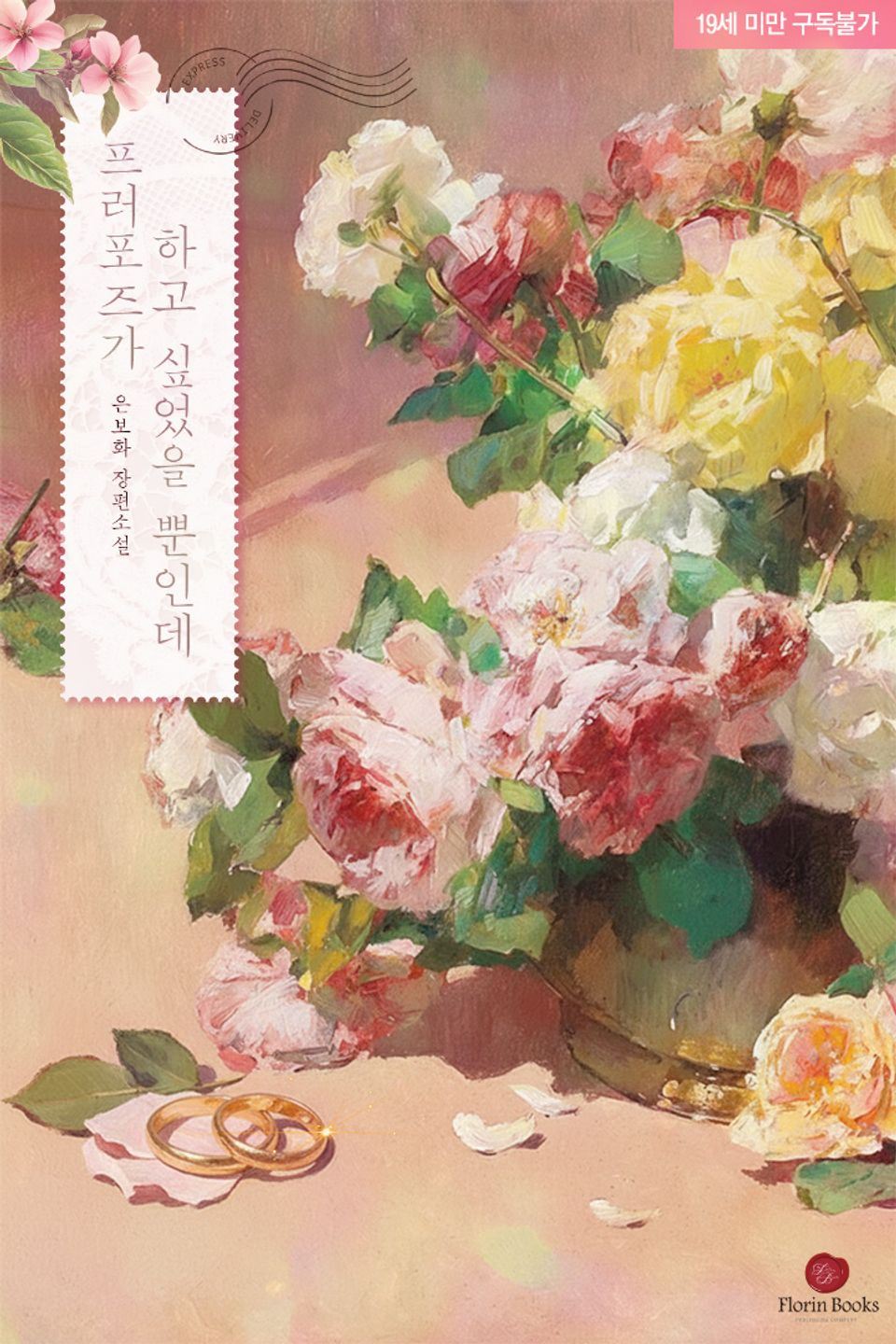
... Read More
The pacing here is a masterclass in tonal shifts. The chapter begins with a bang—literally and figuratively. That first scene is relentless, immersive, and breathless. The prose dives straight into physical sensation without much preamble, pulling you into Lionette's disoriented perspective. It's long, detailed, and unflinching, matching the overwhelming nature of the experience. Then, and this is crucial, it hits the brakes. The transition to the three-year summary is swift, almost jarring. We go from intense proximity to a montage of domestic routine. This structural choice prevents the reader from getting stuck in the heat and forces us to consider the relationship's evolution over time. The pacing here is efficient; we understand the passage of years and the deepening bond without bogging down. Next, the picnic setup. The pacing slows again, becoming leisurely. The carriage ride, the conversation, the choosing of dresses—these are quiet, grounded moments. It's a different kind of tension, not sexual but relational, built on anticipation and comfort. The arrival at the lakeside feels like a reward, a payoff for the slow build. Then, the idyll is shattered by the child's cry. This is a classic cliffhanger structure, but it works because it's earned. The preceding peace makes the disruption more impactful. The pacing goes from still to chaotic in a single beat. It leaves the narrative on a sharp inhale, demanding resolution. What's fascinating is how the author controls reader engagement through these shifts. The long, immersive intimacy holds you. The quick time-skip makes you lean in to understand the change. The slow picnic lets you breathe and savor the mood. And the sudden ending snaps your attention back to the plot's larger questions. It's a rollercoaster of tempo, and I never lost interest. The structure serves the story's emotional beats perfectly.
... Read More
Okay so let me get this straight. This man is a DUKE. Wealthy beyond measure, terrifying to half the nobility, and his love language is massaging his wife's feet after a long day? I mean, I thought arranged marriages were supposed to be cold and awkward, but Dante just straight-up KNEELS. In front of her. After her wedding day. Lionette is over there like "you really don't have to do this" and he's looking at her like she's completely insane for thinking otherwise. That moment when he says "If you're embarrassed over this, what are you going to do when the wedding night comes?" with that wicked little smile—CHILLS. Absolute chills. And the fact that he deliberately told the servants NOT to mention he was dining at the residence so she wouldn't feel obligated to wait up? He's building this whole image of a devoted husband while ALSO making sure it looks completely natural. Is he faking this or is this actually real? Because if it's fake, the man is a MONSTER of manipulation. If it's real... I'm not ready for how soft this is going to get. Who wrote this and why am I already emotional?

Leave a comment

You must be logged in to leave comments. or
