I Just Wanted to Propose - Reviews

I Just Wanted to Propose
+Add to Custom List
Sort
Add review
... Read More
'She didn't feel betrayed, and she didn't find herself resenting Dante. But there was something stranger than that.' This sentence right here. I read it three times. That's the moment everything changes for Lionette and I was completely wrecked by it. Because it's so honest. She's not angry at Dante for having a past engagement—that's not even the point. The point is that she discovers she actually loves him. And not in some dramatic, confessional way. In this quiet, devastating way where she's just sitting in a bath full of rose petals and realizes her chest hurts because some woman who isn't her gets to claim she's his. The dream sequence is where it all comes apart for me. She's dreaming about a child with platinum hair and green eyes, Dante carrying the kid on his shoulders, the child calling her 'Mama,' and she's spinning in a slow circle and something swells in her chest. And then she wakes up and Dante's arm is around her waist and she knows it's reality but she feels like she's committed some grave wrong behind his back. The guilt she feels for wanting something Dante doesn't want—that's the real heartbreak. It's not even about Elise at this point. It's about Lionette realizing she's given him her heart and she's never told him, and now there might literally never be a chance. The scene where she wipes her tears with the back of her hand and tries to fall asleep so she can confess in a dream is so achingly tender. She doesn't even get to say it awake. She hides it all and pretends she's fine.
... Read More
Can we talk about how LITTLE these two actually say to each other and how MUCH it communicates? Their dialogue is basically: "Have you eaten?" "I ate a little while ago." "Good. How did you spend today?" That's it. That's the entire conversation and it repeats daily. But the magic is in what happens BETWEEN the lines. Every time Dante says something simple, the narrative fills in his INTENT. He asks about her day not out of politeness but because it's become a habit—a ritual. And Lionette's internal commentary is where the comedy gold lives. Her running thought process about whether he's faking it, her speculation that maybe he's cultivating rumors through the butler, her complete inability to accept genuine kindness without suspecting an angle—it paints a character who has been burned before and is still waiting for the sting. Then there's the dialogue with OTHER characters. Count Wagner saying "Of all people, why does it have to be that Siegfried" is pure comic relief in three words. The snobby noblewomen's whispers escalate perfectly from passive-aggressive to outright vicious. And Dante's response to them—"Do you have something to say to my wife?" followed by "Next time you have something to say, send a formal letter"—is the most优雅(oh sorry, elegant) threat I've ever read. Short, precise, and devastating.
... Read More
That little boy Jamie isn't just a plot device to move Lionette toward her realization about children. He's the entire theme of these chapters wrapped into one small crying human being. From the moment Lionette finds him, every interaction with him is weighted with meaning. She tells him a fairy tale because she doesn't know what else to do. She gives him chocolate because that's what you do for crying children. And then she keeps him close even when she could have handed him off, and she watches him wave goodbye and feels this warmth that she can't quite name yet. The Schmehart count family walking away together—that's the image that haunts her. It becomes the symbol of everything she wants and everything she thinks she can't have. The dream sequence where she imagines a child with Dante's hair and her own eyes is basically the thesis statement of the entire emotional arc. A child that belongs to both of them. A physical proof that they chose each other. And then the bitter irony: she has this desire, this deep longing for a family, and Dante has already told her he doesn't want children. So she buries it. She stops asking. She decides they're happy enough as they are. And the symbol of the child follows her anyway—into her dreams, into her waking thoughts, into her guilt. The real tragedy isn't Elise showing up. The real tragedy is that Lionette wanted something so simple and natural and Dante never wanted it, and she loved him enough to stop wanting it out loud.
... Read More
There are three symbols in these chapters that I can't stop thinking about. First: Jiji the cat. This little creature becomes the bridge between Dante and Lionette — they both feed it, both care for it, but they never knew. The cat represents their parallel lives, their unspoken connection. It's also vulnerable, abandoned, needing care — essentially a mirror for both of them. Second: the masks. The final line — 'now that they were no longer wearing masks with each other' — this is the thesis of the entire novel. Every interaction before this was performance. At the academy, Lionette performed indifference. Dante performed detachment. Even their courtship might have had elements of performance. The masks are what kept them safe, and also what kept them apart. Third: the pinky promise. A childish gesture between two people who have experienced profound adult pain. It symbolizes that despite everything — death, loss, political pressure, trauma — they're choosing to believe in simple, naive things again. That's the deeper meaning here: healing isn't about becoming wise and cautious, it's about allowing yourself to be silly and hopeful again. 'There were many firsts between the two of them.' Firsts at what? First real vulnerability? First honest conversation? First trust?
... Read More
There's this one detail that keeps coming back to me and I think it's doing heavy symbolic lifting. When Lionette arrives at the ducal residence, the text describes "plane trees spread their dense shade, heralding the coming summer. A rose-draped wall swept past." Planes—these are shade trees, protective, sheltering. Roses—beauty with thorns. The Siegfried estate itself is wrapped in roses behind white walls. It's a gorgeous place, but it's enclosed. She's entering something beautiful and dangerous. And then there's her name. "Lionette Wagner. She had the feeling this would be the last time she ever wrote the Wagner name." The act of signing the contract isn't just legal—it's ceremonial. She's shedding her old identity. The contract itself is this fascinating symbol: a marriage agreement that's meant to look like a business deal but keeps becoming something more personal. Dante writing it in his own hand, adding the one-year clause himself—this document that was supposed to protect her becomes the first place where he shows he cares about her comfort, not just his own interests. The duality of sun and moon in the wedding vows—"May these two always look upon each other like the sun, yet reflect one another like the moon"—that's the whole theme right there. Two different beings, one光源(the light source), each reflecting the other. Or maybe it's about how they're learning to see each other clearly for the first time. Either way, I'm emotionally compromised.
... Read More
The sensory detail in these chapters is unreal. Let me just start with the picnic scene because I need to talk about it. 'The warm sunlight tickled their cheeks.' That's it. That's the line. Three words and I'm transported to this lakeside in spring. Then there's the bread and cheese and the white wine, and Dante brushing crumbs from her face, and her nodding off to sleep with a book in her hand. The world feels so lived-in here—Siegfried estate, the lakeside, the garden she usually walks through. It all has texture. And then immediately after this warm golden scene, chapter 26 pivots hard. Lionette waking up to take her morning walk, the butler stepping in her way for the first time ever. The contrast between those two moments is almost violent. One is bathed in sunlight and the other is dim rooms and rose petal baths and maids exchanging worried glances. But here's what I love—the worldbuilding doesn't change at all between those moments. Siegfried estate is still Siegfried estate. The garden is still the garden. The same butler who once just guided her to tea is now standing between her and her own home. The world stayed the same; the meaning of every detail shifted because Lionette's understanding of it changed. And the ending image of that passage—Lionette sitting alone after the maids have been sent out, thinking 'I have feelings for Dante' while tears roll down her face—is so intimately framed. Just a woman in a chemise, alone in a room, discovering something about herself she never wanted to discover. Beautiful and devastating.
... Read More
Beneath the surface of this romantic and sensual narrative, there are profound themes at play. The central one is the evolution of a contract into something genuine. The entire premise is a practical arrangement, yet the story meticulously documents how physical intimacy and shared daily life forge a deeper solidarity. The contraceptive usage is a potent symbol. It represents Dante's fear of entrapment, of a permanent bond that could ruin him or trap Lionette. His compulsive use suggests a man who desires connection but is terrified of the responsibilities it entails. It's a barrier he maintains even as he allows physical closeness. This creates a tragic irony: they are building a family-like bond while he actively prevents the ultimate symbol of that bond—a child. The theme of performance versus authenticity runs through the intimacy scene. Lionette initially feels like she's performing, unsure of her reactions, but she gradually surrenders to authentic feeling. The shift from awkwardness to seamless union mirrors their overall journey. The picnic itself is a symbol of performed happiness. Lionette chooses it because she read about it in a novel—a fictional blueprint for romance. They are trying to live up to an idealized template. The beautiful setting reinforces this illusion of a perfect, storybook life. But the crying child shatters that facade. It represents the messy, unpredictable reality that cannot be scripted. The theme here is about the collision between curated ideals and chaotic truth. The lake, often a symbol of depth and reflection, becomes a site of both clarity and disruption. It reflects the light beautifully, but it also hides unknown depths and, eventually, a source of pain. The story suggests that true connection isn't found in perfect, novel-like scenarios, but in navigating the messy, unexpected intrusions that reality throws at you. The symbolism is rich and serves the emotional core perfectly.
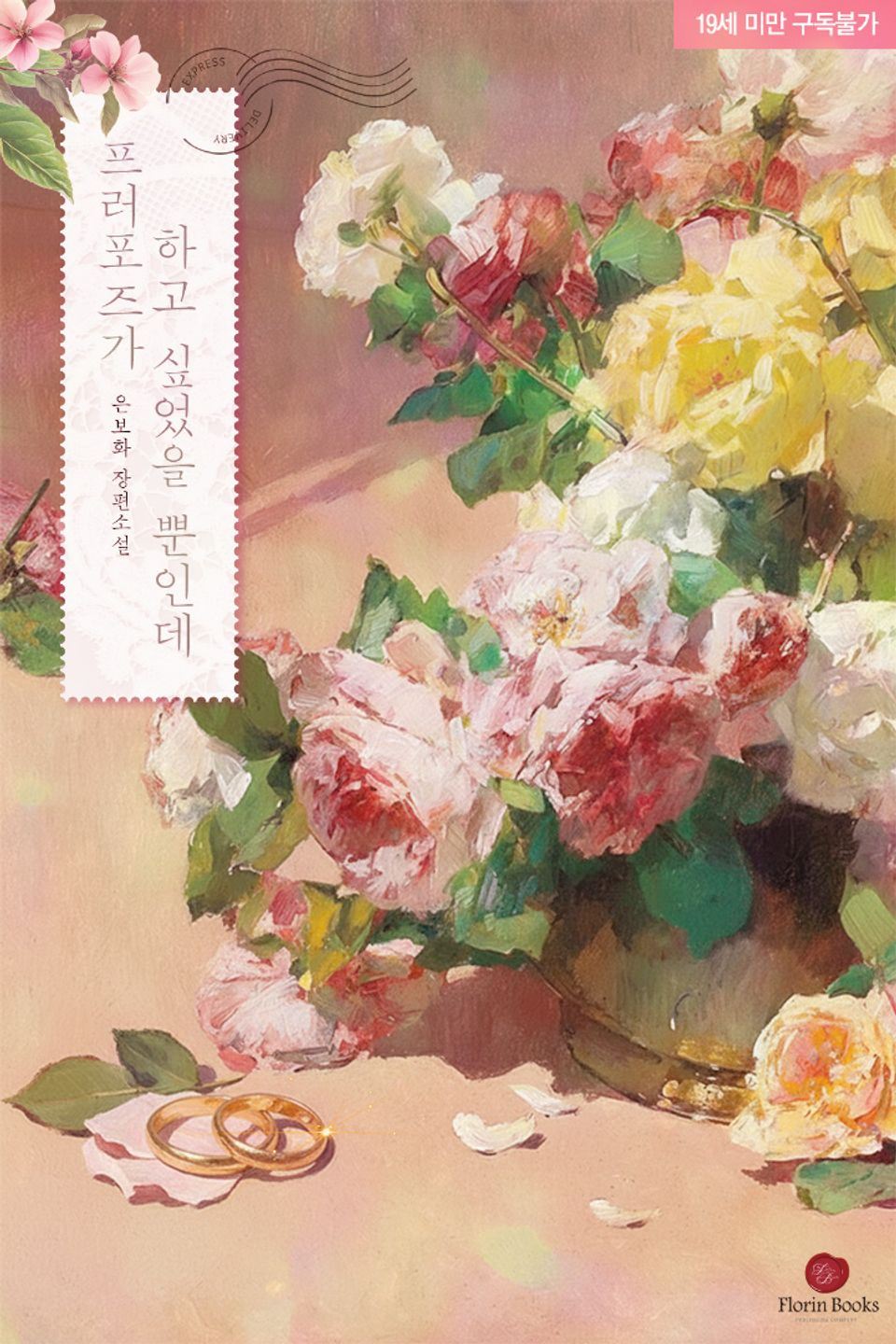
... Read More
You know what's funny about Dante? He genuinely has no idea. He brushes bread crumbs off Lionette's cheek. He tucks a leaf into her book. He lays her head in his lap while she reads. He watches her unwind and finds her endearing. He's the perfect husband in every tangible way except the one way that matters here—he never once considered that she might want more than what they have. And the worst part is, he's not being cruel about it. When she asks him if he likes children, he just says he's not good with them. He never pushes the topic. He never makes her feel bad for wanting something different. He's just... this deeply caring man who is somehow completely blind to the fact that his wife is quietly falling in love with him and also quietly grieving something she's never even dared to name. Meanwhile Lionette is doing this incredible thing where she reads the room like everyone says she does—she shuts herself in her room when she senses tension, she tells the maids not to worry, she makes rational decisions—but the second she's alone, she falls apart. There's this moment where the maid says 'the master and you are on such good terms right now!' and Lionette is just sitting there going 'hmm??' and you can feel how oblivious she's been to her own situation. She thought she was content. She thought she was fine with an arranged marriage where she gets warm afternoons and soft kisses and someday maybe they figure out the rest. She wasn't fine. She was just resigned. And now there's a woman showing up claiming to have known Dante before any of this. What does that mean for Lionette? She's about to find out.
... Read More
That scene where Lionette looks in the mirror and literally presses her own mouth up into a smile — I am not okay. That single image says everything about their entire relationship. She can't even look at herself without performing. And then Dante's watching her face across the dinner table, silent, trying to read something she won't show him. The tragedy is so thick you could cut it with a knife. But then Charlotte drops this bomb in a letter: 'Why not try confessing?' And oh my god, Lionette's whole thought process here is so painfully relatable. She's been playing by the rules of this contract marriage perfectly — never falling in love, never crossing lines — and now she's realizing that maybe the only way forward is to actually say what she feels out loud. The fact that she has never confessed to anyone in her life because Dante is the first person she's ever liked? Chills. Absolute chills. And then the ending — she's falling asleep dreaming about confessing by the sea, picturing Dante smiling, and immediately wakes up tied to a bed with Dante looming over her. The emotional whiplash here is unreal. One moment she's hopelessly romantic, the next she's completely powerless. I literally gasped.
... Read More
"Please add the contract period here." This single line changed EVERYTHING for me. Lionette is sitting there, fully prepared to be taken advantage of, expecting some sneaky clause about a quiet divorce once a child is born—and instead she gets a remarkably fair contract written by a man who could've had anyone write it. The fact that HE wrote it himself? With his own hand? I kept waiting for the other shoe to drop. You know that feeling when you're reading and something seems TOO good and your brain is screaming there's definitely a catch? Because there HAD to be. She says "for at least a year" and he gets mildly displeased before agreeing. Mildly displeased! Like, why are you bothered by a twelve-month limit on your own marriage? The wedding scene is structured so perfectly too—we go from the contract signing (cold, businesslike) straight into the wedding ceremony with that beautiful line about the sun and moon, and then IMMEDIATELY into the confrontation with the snobby noblewomen. The pacing between scenes isn't rushed at all; it lets us breathe in those quiet moments at the ducal residence before the drama hits. I swear every time something peaceful happens, I'm bracing for impact.
... Read More
The pacing in these four chapters is masterful, and I want to break down why it works so well. We open IN MEDIA RES — Dante is already confessing, already holding Lionette. Then the author drops us into a flashback that takes us back to their academy days. That's a big time jump handled seamlessly. The flashback itself is structured around THREE encounters — each one deeper than the last. First: accidental, distant. Second: observing from afar, unacknowledged. Third: the cat scene, where everything shifts. This is a classic but effective structure, and the author executes it without any of the bloat that usually comes with flashback-heavy narratives. Each scene advances both the plot AND the emotional arc. Then we snap back to the present, and the tension immediately pivots from romantic to EXISTENTIAL with the child question. That's a bold move — going from sweet confession to 'what scares you most about loving me' in the span of a few paragraphs. And then... the pinky promise defuses it all. The chapter ends on warmth instead of drama, which is the right call. If it ended on the childbirth fear, it would feel unresolved. But the promise gives us closure while acknowledging that they're still learning. 'That was enough. That was more than enough to be happy.' Final line lands perfectly. No cliffhanger, no dangling thread. Just... satisfaction.
... Read More
The author here is playing 4D chess with pacing and I am HERE for it. Let me walk through how this whole section moves: we open mid-conversation—no setup, no exposition dumps—just Lionette and Dante in this intimate moment where she says she'd make the same choice again and he smiles in this unreadable way. That's chapter 7. Then we jump to the fallout of that moment (the proposal, her father's reaction, moving into the ducal residence), then the contract signing scene, then daily life at the estate with Dante visiting her room every evening, then BAM—wedding day, reception, the confrontation, the dance, and finally the wedding night where he's massaging her feet. That is A LOT of narrative ground covered and NONE of it feels rushed. The key technique the author uses is varying the emotional temperature. After the high-tension contract negotiation, we get these quiet domestic moments of Dante asking about her day. After the wedding drama, we get exhaustion and wine and intimacy. The chapter breaks aren't always clean either—we end on an almost-unceremonious cutoff mid-scene which is such a good hook. I picked this up thinking it would be slow-burn romance filler and instead I've been staying up way too late.

Leave a comment

You must be logged in to leave comments. or
