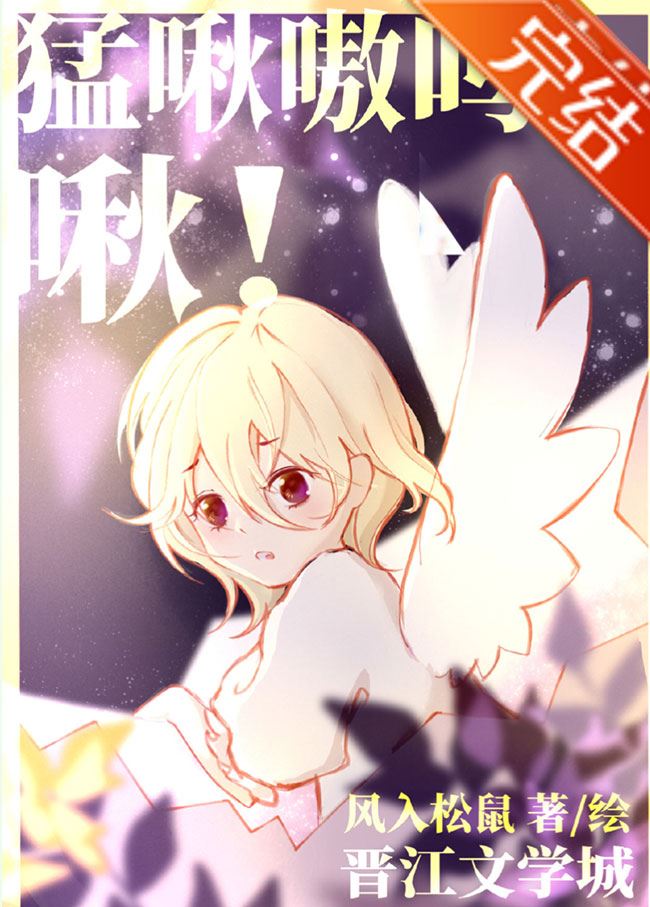
The structural whiplash in these chapters is actually genius and I need to unpack why.
We open with the dragon elders in full strategic mode — photos on walls, discussions about order and balance, Qiu Chongshan's reputation, heresy alliances. This is world-building at its most political, the kind of scene where you feel the weight of centuries of dragon history pressing down. Then Bam — cut to Ames walking into a conference hall and his son screaming about someone turning into a human. The tonal shift is so abrupt it should feel jarring, but it doesn't. It works.
Why? Because the author uses the dragon elders' assessment of Qiu Qiu as a narrative bridge. Remember that? Heber calling the cub adorable, saying he wants to try the candy. Abraham staring at the photo wondering if this disrupts the balance. These scenes set up Qiu Qiu as an object of fear and speculation among the powerful, which makes the subsequent domestic scene — where he's just a small dragon being fussed over by his family — hit even harder. The contrast between how the world sees him (potential threat, balance disruptor) and how his family sees him (cute, needs to eat more, get him shoes) is the entire emotional architecture of these chapters.
The pacing within the domestic scene is also smart. It moves from Torrance's dramatic entrance -> Ames's teasing -> Sarah's gentle care -> Qiu Qiu's internal spiral -> the system intervention. Each beat lands for exactly as long as it needs to, and then we're already onto the next thing. The cake mention at the end? Perfect button. Sweet, domestic, slightly absurd, and it leaves you wanting more.
Also worth noting: the transition from the dark political scene to the bright family scene happens mid-walk. Ames is confused on the way to the conference hall, they walk in, and suddenly everything is soft lighting and palm-sized dragons. No scene heading, no chapter break needed. The author just walks us from tension to tenderness and trusts us to keep up.