Fierce chirp~chirp! - Reviews

Fierce chirp~chirp!
+Add to Custom List
Sort
Add review
... Read More
"Yes, we will be launching it online and across all platforms at 3 PM! The Speaker of the First Star Region, as a specially invited parent, also participated in the final interview of our recruitment promotional video." Kleist's admissions officer delivering these lines with such calm professionalism while everyone around them is having existential crises about their recruitment strategy - this is comedy gold delivered with a straight face And Raymond's internal monologue while saying all the polite words: "Despite his polite words, Raymond knew that the kid would probably end up being sent to the Imperial Academy anyway. After all, it's a carnivore." The way the author writes Raymond's external politeness versus his internal certainty is just perfect. He's already accepted defeat. He's already written off Kleist. And Kleist just drops a bomb that makes him question every assumption he had Then there's the kid. One line: "Aaaaaah, Mommy!!" "I want this! I want to go to school!!" That's it. That's the entire character arc of someone who hated studying, skipped school, and couldn't be bothered, resolved in two sentences. No long speech about self-discovery. Just pure instinctive reaction to something beautiful The social media commentary throughout is also brilliantly done. "Can an old monster with millions of hours of life still enroll in kindergarten?" "#Kleist! You're so ruthless!#" - these voices give the whole thing this living, breathing quality where the world exists beyond just the main characters' POV
... Read More
The opening image of this chapter is absolutely cinematic. That white robe sliding down slender wrists, fingers grasping black dragon scales — it's such a loaded visual. You immediately understand the size difference, the contrast between pale and dark, innocence and something ancient. The moonlight casting soft shadows on a fair face while a huge beast sleeps curled around its child? That's not just description, that's emotional architecture. Then the scene pivots hard into chaos — bright morning light, messy hair, an enormous apple that makes Qiu Qiu look like some kind of displaced fairy tale creature. The kitchen scene with Butler Leiman and the staff piling up at the door is pure comedic relief after the dreamlike opening, but it also grounds this weird supernatural event in domestic reality. What I love is how the world feels alive through these details. The system with its automated protection algorithms, the origin blood that can't hurt spiritual bodies but still weighs on them, the way dragon scales feel to the touch — every element suggests a world with its own rules and history. The bedroom itself becomes this liminal space where the mundane (breakfast, worried staff) collides with the mythic (a transforming heir, an ancient dragon waking up).
... Read More
There's something deeply symbolic about the dragon tail in this passage that I can't stop thinking about. On the surface level, it's obviously a romantic symbol — the sacred body part that only your chosen partner can touch, the ultimate gesture of trust and intimacy in dragon culture. But if you look a little deeper, I think the tail represents something much more complicated. Jin Lin is a dragon emperor, a being of incredible power and ancient wisdom. His scales are described as impenetrable — 'there is no beast that can pierce your Majesty's scales in this world.' And yet his tail, this sensitive vulnerable part of him, can be touched by someone. The very fact that he's allowing it means something enormous about his relationship with this mysterious person. The prophecy about the bloody disaster adds another layer. There's violence coming, destruction, blood — but the thing that's actually most precious and most vulnerable isn't his mighty scales or his royal authority. It's his tail. His ability to be close to another creature. The thing that makes him human, even if he's technically a dragon. And then there's the dragon blood itself — this golden liquid that everyone is willing to kill for, that the traitors want to steal, that the heretics are plotting to obtain. But Jin Lin himself seems almost dismissive of it. 'Wouldn't you have diarrhea if you drank that kind of garbage?' It's interesting how the story keeps asking us what is truly valuable. Is it the blood? The power? Or is it something softer and more personal that can't be quantified or stolen? The golden color on Jin Lin's horns is another detail that won't leave my mind. Gold as a symbol of transformation, of value, of something precious emerging from darkness. The prophecy says bloody disaster is coming, but maybe the real story here is about what survives the bloodshed. What stays golden when everything else turns red.
... Read More
Okay so this prophecy scene is genuinely one of those moments where everything could have gone catastrophically wrong and yet it somehow lands perfectly. Bai freezes mid-ritual because the three beast kids get too close, and her mental link to the medium breaks for a split second. Now she's stuck holding a painting of a pitch-black scaled nightmare beast when everyone expected a fluffy baby. The tension in that room is palpable — you can literally feel Bai's rabbit ears drooping with stress. But here's what I love: instead of letting the conflict resolve in some neat little bow, the author has Qiu Yiming literally figure it out mid-conversation. His reveal about molting and the Chinese wordplay around hair/fur/feather being the same concept? That was me slapping the table. And then Bai's internal screaming about how she has to wait three months for another prophecy attempt because she just shattered her own fanart dream? Chef's kiss. The plot twist isn't dramatic in a 'reveal-the-villain' way but it's deeply satisfying in a 'wait, that actually makes total sense' kind of way. One question that's been bugging me though — if prophecies can only be done once per quarter, what happens when something urgent comes up and she's locked out? That feels like a ticking clock the author could use later.
... Read More
Okay so this whole arc is absolutely chaotic and I am here for it. On the surface it looks like a simple "kid did sibling's homework and dad found out" domestic comedy, but underneath you've got parallel storylines weaving together—the online reaction to the mysterious genius student, the academy recruitment rivalry, AND the King's spiritual body quietly growing stronger. The author drops all these threads and then BAM, Qiu Chongshan hears the tea room waiters gossiping and suddenly the entire mansion is shaking as a giant white tiger chases a lion around destroying millions-of-star-coins vases. Who writes this plot? What I love is how the chapter structure mirrors the chaos—starting with this quiet, almost tender scene of the little one sleeping with eraser dust on his wings, then immediately pivoting to destruction. The contrast is hilarious. And the Ortnes subplot, watching from the stairs covering his eyes while the King sneaks to the door? Comedy gold. But here's my real question: that homework—the traps carefully dug out, the strategy question that went viral—whose mind created that? Is it the little sleeping one? Because if a K-level kid is solving Imperial Academy-level trap questions while naptime-ing, we are so not ready for what happens when he actually enters school.
... Read More
Okay, I need to talk about this one scene because it is SO vivid I can still see it. The whole setting is this grand hall in the Imperial Star mansion, and you've got hard metal decorative ornaments on tables that are basically just set dressing at first—until Qiu Yiming starts kneading one like it's clay. That's when it hits you: this world runs on spiritual power, and his is so intense he can physically reshape metal with his hands when he's upset. The author doesn't stop there though, right? You get the golden lion tail, the beastly transformation, the little winged creature on the table. It all paints this picture of a household where supernatural elements are just... normal. Everyday. What I love is how the scene moves from tension (Qiu Yiming getting angry, crushing the metal) to this warm, almost comedic family moment with Qiu Qiu fluttering around. And then the father's reaction—slamming the table harder, fuming about missing out on a kiss—adds this whole layer of domestic absurdity that makes the world feel lived-in. Even the attendants' reactions, clutching their chests over how cute it all is, tell you something about the household dynamic. It's not just plot mechanics; you can feel the relationships in every detail. The head butler Leihman's internal monologue about the mansion suddenly feeling different, like a machine shifting gears toward new possibilities—that's worldbuilding on a thematic level, not just description.
... Read More
"If you become a beast, maybe she can draw your future appearance!" That line from Claire introduces the central symbolic object: the tail feather. But what does it really represent? On one level, it's a medium for prophecy — a tool for seeing the future. The text explicitly states that "the medium that opens the prophecy must be very important to the owner." So Qiu Qiu is offering something precious, something intrinsic to his identity, to prove trust and secure a glimpse of what's to come. This is transactional, yes, but it's also deeply relational. The feather becomes a symbol of vulnerability. To give away part of yourself — literally, physically — requires immense trust. Qiu Qiu doesn't just hand over a feather; he "sent his tail feathers" with a chirp. The act is deliberate, communicated, chosen. And Qiu Jingyu's response — gentle, questioning, offering an out with "If you're afraid of pain, you don't have to" — shows he understands the weight of what's being asked. There's also the theme of protection versus possession. The family stares at those beautiful milk-golden tail feathers with obvious hunger. The system calls them perverts. But is that desire to possess or desire to protect? Both, apparently. The same people who want the feather are the ones who chase after Qiu Yiming to prevent him from frightening the cub. The father-son distance is another symbolic layer. Qiu Chongshan unconsciously changes posture, ignores his eldest son's gaze, because the son "still hadn't learned to call him Dad." This spatial and emotional distance mirrors the family's broader struggles — they're close physically (sharing observation decks, exchanging looks) but separated by unspoken expectations and pride. Even Qiu Yiming's optical brain becomes symbolic — technology as preservation, the desire to capture and freeze a moment of wonder. He "forgot that he should take a video and record it forever!" — because in the moment, feeling is enough. Documentation comes later, when the emotional intensity has passed. The feather, the prophecy, the family dynamics — all of it circles back to one question: what are we willing to give, and what are we willing to risk, to understand our future?
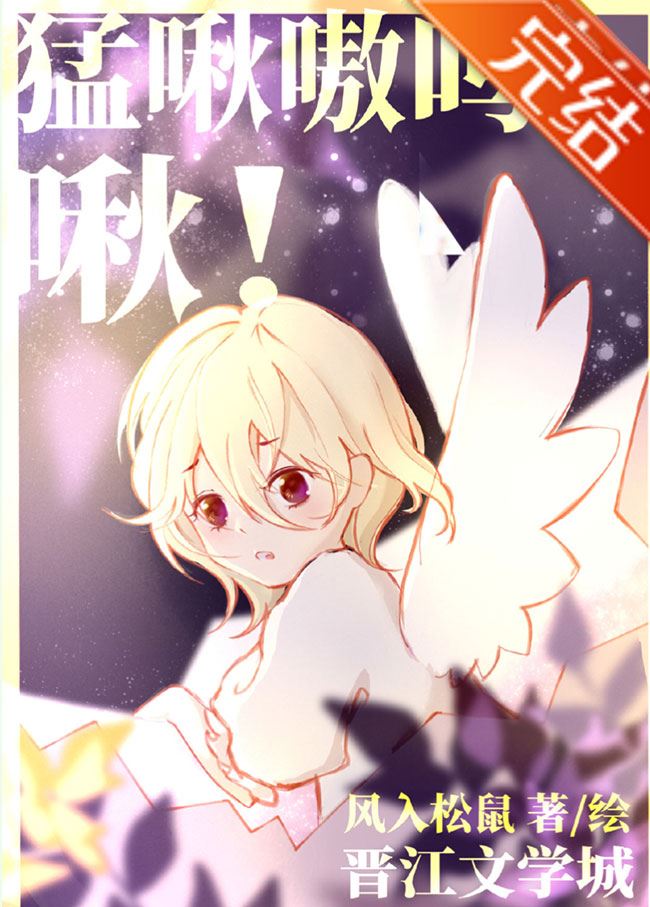
... Read More
Okay so I just finished these chapters and I am genuinely shook. The way the author pivots from the super intense "Mighty Hunting" main task announcement right into... wait for it... Qiu Yiming drawing fan art of his brother and posting it on Starblog? That whiplash is intentional and I respect it so much. The plot here is doing triple duty simultaneously. First, we get that system ding — "Accumulated Prestige is 200 points, The Beast's First-Level Main Task is about to start: Mighty Hunting!" — which immediately raises the stakes. This is no longer just a cute cub story. Then we cut to the Qiu family dynamics, where Dad is apparently trying to give his sons a survival lesson about hunting being necessary to grow scales instead of fluff, and one son (Qiu Yiming) is over there worried about whether he'll still have THAT ONE PATCH OF FLUFF on his head as an adult. And then—cut to Qiu Jingyu, the presumably deadlier sibling—just standing aside sipping coffee, observing this entire wholesome chaos like "yeah, this is my life now." The author is weaving together at least three plot threads here: the looming hunting quest, the family dynamic between the brothers and their dad, and the external world reacting to Qiu Yiming's Starblog post. The comedy beat where Otak gets replied to TWICE by Brother Ming and goes from smug commenter to frantic rewriter is genuinely hilarious. The plot isn't taking itself seriously even when the system is announcing life-or-death tasks, and I think that tonal balance is exactly why this book works.
... Read More
Every time I reread this section, I keep coming back to that one detail: the fluff. Dad says it outright — "Only then can you be considered a real beast, and your fluff can transform into hard scales." The entire philosophy of this world, maybe even the entire philosophy of growing up, is compressed into that sentence. Softness becomes hardness. Vulnerability becomes armor. But here's what gets me — Qiu Yiming isn't worried about becoming fierce. He's worried about losing that tiny pinch of fluff on his head. The system calls it "the exchange of burning beauty for strength" and treats it like a joke, but it's genuinely tragic underneath the comedy. You don't get to keep everything. The internet comments reveal another layer of this: people are horrified that Qiu Yiming's drawing shows his brother sniffing flowers instead of breathing fire. "You call this a flower??" they scream. There's this cultural pressure in the story's world to be impressive, to be dangerous, to perform strength publicly. Even the Starblog comments become a battlefield whereBrother Ming has to defend his brother's right to be soft. "This is my brother sniffing flowers!!! Isn't it good looking???" The bro-con moment is also a thematic moment — choosing to see beauty in the soft thing rather than the scary thing. And Qiu Jingyu? The one who sips coffee and reads about herbivorous kindergartens while everyone else performs? He might be the only one who hasn't been forced to choose between fluff and scales yet. Or maybe he already made his choice and nobody noticed because he's too calm about it. Either way, every time someone mentions scales now, I think about that single exposed tuft of golden fluff
... Read More
The scene where they hang the prophecy portrait in the central hall is strangely cinematic. You've got more than a dozen workers on ladders, the crystal chandelier, the two rows of spiral staircases framing the space — it reads like a film director's shot list. What strikes me most is how the author builds this world without any exposition dumps. You learn about beast physiology, the molting cycle, the cultural significance of prophecy portraits, and the class dynamic between the prince's family and their servants entirely through action and observation. The line 'It looks noble, yet arrogant and cold to the extreme' describing the painted beast hits hard because it's the opposite of what Qiu Qiu currently is — a tiny fluffball who chirps. That contrast between the grandiose setting and the intimate family comedy happening inside it creates this really specific atmosphere. It feels like a world where ancient traditions and domestic chaos coexist naturally. And I'm genuinely curious about more locations in this mansion. The main hall is stunning but I want to see the rest of it — the feeding areas, the training grounds, wherever a carnivorous beast cub would actually live before it grows into its scales. Worldbuilding through environmental details is always more memorable than through info-dumps, and this author nails it.
... Read More
There's a recurring motif in these chapters that I can't shake — the intersection of beauty and power, and how dangerously close they sit to each other. That sunflower Qiu Qiu offers isn't just a cute prop. It's a child's most precious thing, offered as a plea for acceptance. The fact that it's nearly as big as his own head makes it even more poignant — this tiny being giving something enormous. And Sylvester's reaction to beauty is almost violent in its intensity. He doesn't just appreciate; he grabs, he embraces, he declares children to be divine gifts. The elven cheek kiss attempt that gets thwarted by a father's protective reflex — that moment is packed with meaning about boundaries, desire, and who gets to claim beauty. Then you have the symbolic contrast between the promotional video (beauty as commodity, beauty as marketing) and the actual raw encounter with Qiu Qiu (beauty as genuine, unfiltered connection). The imperial academy's crisis is essentially about beauty being institutionalized and regulated, while Kleist represents something wilder and less controlled. Even the dragon race description — "pride etched into the very marrow" — reinforces this theme. Beauty here isn't decorative; it's dangerous, it's political, it's the kind of thing that topples empires and makes fathers snatch their children away from overenthusiastic principals. What's the source of true power? That's the question hanging over every scene.
... Read More
There's this one scene that lives rent-free in my head now. Qiu Qiu is this small milky-gold fluffball, wobbling on an uneven quilt surface, about to tumble, and Jin Lin's tail just... catches him. Wraps around him, puts him back. And then Qiu Qiu rubs Jin Lin's ear like he's thanking him. The domesticity of it hit me so hard. This is supposed to be a story about dragons and villain families and ancient bloodlines, but the most powerful imagery is a baby dragon getting gently rescued by another baby dragon's tail. And then Jin Lin dips his tail in water and WRITES on the table. Not just speaks — writes. The water marks on the table, Qiu Qiu's shocked expression, Jin Lin's subtle satisfaction flick — these details are so vivid I can picture them like a film frame. "It was finally quiet." Jin Lin just wanted peace and instead became the teacher. The irony is chef's kiss. The palace scenes with the Qiu family are colder, sharper — "the eyes of Qiu Chongshan and Qiu Yiming had gradually changed" — but the cub room is pure warmth. Two opposite atmospheres in one chapter, and the author moves between them effortlessly.

Leave a comment

You must be logged in to leave comments. or
