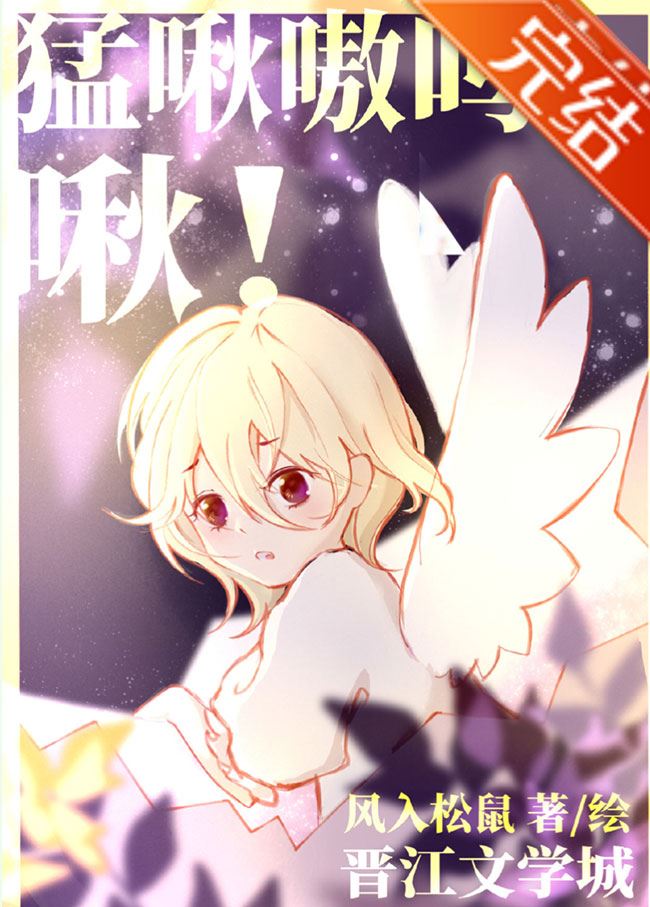
The moment Qiu Chongshan calls his son dad is quietly devastating in the best way. This is a big beast — someone who has spent years maintaining principle and image — and yet when his cub finally says those words, just one note of softness cracks through. He answers in a rough voice, calmly and restrainedly, as if fighting himself. The text asks: how can a giant predator abandon what makes him noble just because his own child called him parent so sweetly? And the answer, of course, is that he does it anyway. That tension between pride and love is what makes this character sing.
Then there is Qiu Qiu, the small fluttering thing with wings that can barely hold on. His relationship to the world has always been defined by absence — when everyone else ran and played, he sat aside. When teachers told him to be obedient and not cause worry, he obeyed. He watched. But here he is, doing something out of line for the first time, flying high enough to grab a dragon tail. The shift from passive observer to active participant in his own life is huge for him. And when Jin Lin catches him, then deliberately throws him into the air, only for Qiu Yiming to catch him safely — that entire chain of events reveals how these characters move through each other, even when they don't know how to say it outright.
Qiu Yiming's anger at the end is so human. He wants to pull the dragon down and question it. He feels protective, furious, almost betrayed by the subdragon's recklessness. And yet he holds Qiu Qiu gently. That contradiction — violence toward the threat, tenderness toward his brother — tells us everything about who he is. These relationships aren't declared in grand speeches; they're revealed in flinches, glances, and the way someone's fists clenches when they're too scared to admit they care.