Famine Year: Picking Up a Husband in the Deep Mountains, Who Turns Out to Be the Living King of Hell from the Eastern Depot - Reviews

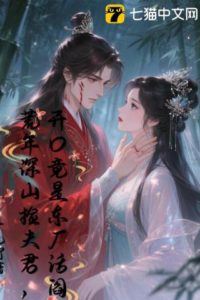
Famine Year: Picking Up a Husband in the Deep Mountains, Who Turns Out to Be the Living King of Hell from the Eastern Depot
+Add to Custom List
Sort
Add review
... Read More
I need to talk about THIS moment. You know the one. She's on the ground, terrified, just survived three thugs, and when she looks up and sees Pei Ji—she just blurts out 'Husband.' Not 'sir,' not 'thank you,' just... husband. And he just... stands there. Letting her cry into his chest like it's the most natural thing in the world. "You—you said you'd wait for me at Drunken Immortal Pavilion, I—" and then she just breaks. Two years of transmigration loneliness and this is the moment it all comes out. I literally had to pause the book. The way the author writes this—Pei Ji remaining motionless while she sobs, the snowflakes melting in his palm, the warmth of his hand enveloping hers—it's so understated but SO powerful. And earlier, when she pulled half the quilt over herself and he didn't let go of her wrist? I felt that. The tension between them is this weird mix of practical necessity and something neither of them wants to name. She's calling him brother-in-law to Xiao Ba but husband to herself, and Pei Ji is playing along with every single one of these roles like he's memorizing a script. But that moment at the city gate when he just... appeared? That's not acting. That's something else. The CP chemistry is simmering, not boiling, and I am OBSESSED with the slow burn.
... Read More
Can we talk about how DIFFERENT these characters sound when they speak? Because the dialogue here is genuinely excellent and I want to highlight a few things. Xiao Ba's internal monologue when Cui Xiaoqi calls Pei Ji 'brother-in-law' is one of the funniest moments in the entire text. "Calling Pei Ji—the ruthless and sinister 'Living King of Hell,' the Dongchang supervisor—'brother-in-law' made her deeply uncomfortable." I literally laughed out loud. The contrast between what she's thinking and what she's saying (or not saying) is comedy gold. And Pei Ji's dialogue! The man speaks in MINIMUM WORDS. "Not going?" "I'll go into the city myself. Meet at Drunken Immortal Pavilion." That's it. That's the whole personality. Cold, efficient, zero wasted breath. But then there's this one moment where he says nothing at all and just... watches her pull the quilt. His silence speaks louder than any monologue could. Cui Xiaoqi's voice is wonderfully distinct too—she switches between tough hunter mode ("My knife has no eyes—it loves to pierce necks") and desperate bluffing ("My husband is the Dongchang Supervisor. Do you want to be skinned and have your tendons ripped out?") with complete conviction. Even when she's terrified, she's performing. That's a character who has learned to survive by being sharp-tongued and quick-witted. The dialogue never feels like everyone's just explaining plot points to each other. Each person sounds like their own person.
... Read More
The atmosphere in this book is SO thick you could cut it with a knife. From the very first paragraph, the cold is a character. 'The snowflakes outside the window, which were falling heavier and heavier.' The villagers retreating early 'to save lamp oil.' The thatched roofs buried under thick snow. Every scene is wrapped in this biting winter chill that makes every warm moment — the rabbit stew, the charcoal brazier, the shared body heat — feel earned and precious. There's one image that won't leave me: Cui Xiaoqi walking to the locust tree outside the courtyard, pulling an arrow from its trunk, and placing it in her quiver. Just a simple, quiet moment. But it tells you everything about who she is — she's a hunter, she's prepared, she lives in a world where you need arrows and fences and firewood just to survive another day. The kitchen scenes are particularly vivid. The rabbit stew 'so tender it melted in the mouth,' the rice jar 'nearly empty — even mice wouldn't bother squeezing inside,' the stir-fried cabbage 'without a hint of oil.' These details paint a picture of poverty that's almost tactile. You can taste the thin porridge, feel the cold seeping through the walls when the brazier dies, smell the blood when Pei Ji's wound splits open. And the contrast between the domestic warmth inside and the lethal danger outside — that's the world this story lives in. The snow that brings food (the burlap sack with rice) also brings death (the freezing man on their doorstep). The courtyard they're repairing is both a home and a fortress. Every scene feels like it could tip from warmth to violence in a single heartbeat, and that's what makes reading it so gripping.
... Read More
Let me just say this: the author knows EXACTLY when to speed up and when to slow down, and it's masterful. The chapter starts almost domestic—bathing, combing hair, warming by the brazier. Very cozy, very slow. Then suddenly Xiao Jiu is screaming about the bloody pig at the village entrance and the pace JUMPS. By the time Cui Xiaoqi is driving the ox cart through the snow, we're already in full motion. The transition from the quiet village to the dark city streets is handled so well. The ox cart journey feels like a breath held between two explosions. And then—THUGS. Just out of nowhere. Three scrawny men materialize from the wall base and suddenly we're in a life-or-death scene. The author doesn't waste a single word on setup; they just drop you into the danger and let you drown. What I appreciated most was the pacing of Pei Ji's rescue. He doesn't just appear and solve everything instantly. There's this beat where Cui Xiaoqi is already cornered, the knife is knocked away, and she's literally bargaining with her life. THEN the skinny guy gets impaled. The timing is perfect—it gives her a moment of genuine peril before the deus ex machina arrives, which makes the rescue feel earned rather than cheap. The chapter ends on this quiet, almost tender note after all that chaos, and it works because the reader needs to exhale. Brilliant structure.
... Read More
I need to talk about Pei Ji because THIS MAN is absolutely unhinged and I am HERE for it. Let's start with the hairpin scene. He wakes up, has no memory, and his FIRST instinct is to press a hairpin to Cui Xiaoqi's throat. Not a gentle 'who are you?' — straight to lethal force. And yet, the text says something so telling: his Adam's apple rolls when he looks down at her. He's affected by her, and it TERRIFIES him because of that Gu insect inside him. A eunuch who can't feel desire but suddenly feels desire — of course he suspects poison, of course he suspects conspiracy. But then the hammer scene. He dislocates his own leg, takes a hammer to it, and doesn't even flinch. Not a sound. Just cold, white sweat on his forehead. And when Cui Xiaoqi starts scolding him for ripping the gauze off his wound — 'Madman! Are you a masochist?' — he just sits there and takes it. This is a man who has been abandoned, betrayed, used, and he has no one to trust except the woman who literally tricked him into marriage. And the domestic moments? When Xiao Jiu calls him 'brother-in-law' and he freezes? That's the moment that got me. He's spent years as an abandoned child with no family, and suddenly someone is calling him that. Husband. Brother-in-law. These words that were never meant for him are now being placed on his head like a crown he didn't ask for. The dynamic between him and Cui Xiaoqi is so electric because neither of them fully trusts the other, and yet they're stuck together. She's playing a game, he's playing a deeper game, and the reader is just sitting there watching them both try to outmaneuver each other while somehow also caring for each other.
... Read More
There's so much going on beneath the surface of this text that I think deserves attention. The snow is everywhere—covering bloodstains, illuminating the dark night, melting in Pei Ji's palm. It's this beautiful metaphor for how everything in this story is about concealment and revelation. The snow hides the blood but also reveals everything else. Cui Xiaoqi is hiding her transmigration, Pei Ji is hiding his true identity and abilities, Xiao Ba is hiding her fear. Everyone is covered in layers. The wild boar itself is symbolic in a way I can't quite shake. It's bloody, massive, terrifying to the villagers who find it at the entrance—but it's also what feeds her family, what earns her silver, what brings her into the city where the plot actually happens. It's death that becomes survival. That's basically the theme of the whole story, isn't it? And the quilt! Think about it. She drapes it over Pei Ji to keep him warm, then pulls half of it toward herself. It's this tiny domestic object that becomes a boundary and a bridge simultaneously. He could push it away. He doesn't. The warmth of that quilt carries his body heat, and she sniffs it and notices there's no blood smell—only an indescribable fragrance. This man who is covered in other people's blood smells like... nothing? Everything? The fragrance is a mystery that mirrors who he actually is beneath the reputation. The travel permit is another symbol I can't ignore. It's the difference between freedom and being trapped, between moving forward and being stuck in the village. Pei Ji doesn't have one, which is why he has to go alone—and why the whole plan falls apart and then gets saved in the most dramatic way possible.
... Read More
I'm still thinking about that night scene and I need a minute. Cui Xiaoqi finds this half-dead man in the snow, drags him home, and when he gets cold in the middle of the night, she does what any reasonable person would do — she takes off her clothes and shares her body heat. The text says it plainly: 'To save him, she disregarded propriety between men and women.' She risked everything. Her reputation, her safety, her maidenly purity — all of it — for a stranger she found freezing in the snow. And what does he do? He wakes up, presses a hairpin to her throat, and demands to know who sent her. I literally screamed at my screen. Not in a bad way — in the way you scream at a book when the characters are being absolutely ridiculous to each other. But then the scene flips. She doesn't back down. She plays along, she uses her 'sacrifice' as leverage, and somehow turns a moment of genuine vulnerability into a transaction. 'I didn't even care about my maidenly purity' — she says this with such grievance, such performed hurt, and the reader knows she's manipulating him but also kind of wants to hug her because OOF she went through that for NOTHING at first. The CP chemistry is built on this foundation of mutual exploitation that somehow keeps turning into something real. She feeds him the last pieces of meat from the rabbit stew and tells herself it's because her sisters are growing and their mother is weak. But we see her skip her own meal. He notices the burn on her hand when the soup splashes and blocks her hand from touching his wound. These tiny moments — the unspoken care — are what make the romance work. It's not love at first sight. It's two damaged people who keep finding reasons to stay in the same room.
... Read More
The pacing in these chapters is absolutely relentless and I mean that in the best possible way. Let's trace it: we open with bodies being dragged away, Cui Xiaoqi crying her eyes out, then—boom—she's suddenly worried about PEI JI'S hands being stained with blood. The emotional whiplash is intentional and it works. She goes from vulnerable to fierce in about two sentences. Then the author does this brilliant thing where the two thugs escape and Cui Xiaoqi tries to chase them, and Pei Ji just... stops her. "Dragging a corpse, they won't get far. The patrol soldiers will stop them when they see them." This is such a efficient beat—he's not being cruel, he's being strategic. The author trusts us to understand that this is competence, not callousness. And then the clothes reveal! This is where the pacing really shines. One moment he's this mysterious savior figure, the next he's casually admitting he threw away someone's precious keepsake, and then we find out he's basically a thief who steals his own clothes back. The scene transitions are so smooth—mansion, then Imperial Prison, then the grain shop, then back to the village. Each location shift feels purposeful, not filler. The chapter ending is a classic cliffhanger but executed perfectly. Wu Dafu and Wang Shougen standing in her courtyard—"What was bound to come had finally arrived." Short. Punchy. No elaboration. The author knows exactly when to stop. I immediately opened the next chapter.
... Read More
Let's talk about stakes because this author knows how to stack them. On the surface, Cui Xiaoqi has this immediate, practical problem: she needs money for the Marriage and Procreation Tax or something bad will happen. She has three taels and one string of silver coins. The grain costs eight hundred and fifty wen. The salt costs one hundred and fifty wen. She spends it ALL and still hasn't solved her actual problem. That's relatable desperation right there. But then there's the larger conflict layer. Those two thugs who were attacking her? They're gone but not defeated—Pei Ji's own servants are furious that they died "too easily," wanting to drag the body back to the Imperial Prison for posthumous flogging. This tells us the enemy has resources, connections, and a sense of justice that's way more extreme than ours. The conflict isn't resolved; it's just paused. And Pei Ji's conflict with Cui Xiaoqi is its own kind of tension. He's testing her, interrogating her, watching her reactions like a hawk. She's fighting back with attitude and honesty and this stubborn refusal to be intimidated. Their conflict isn't just romantic tension (though there's plenty of that)—it's a fundamental clash between someone who plans everything and someone who improvises everything. The ending stakes are personal and immediate. Wu Dafu and Wang Shougen at her door. "What was bound to come had finally arrived." Whatever trouble she's been running from? It's here. And she's out of money, out of time, and apparently married to a man who climbs walls.
... Read More
Okay so let me just say — the way this plot is constructed is genuinely clever. Cui Xiaoqi doesn't just save a random guy and hope for the best. No, she immediately starts calculating. She sees this injured, amnesiac man, realizes he's dangerous, but also sees an opportunity. The Unmarried Tax Silver threat is hanging over her head, and instead of panicking, she weaponizes her own 'virtue' against him. The scene where she reveals the marriage certificate is peak plot engineering. She literally tells him: I used my body to save you, you owe me, sign this and we divorce later. It's manipulation dressed up as kindness, and the fact that Pei Ji actually agrees — with that calculating flicker in his eyes — tells you everything about who he is. He's not falling for it; he's testing her, trying to figure out who sent her. And then the leg bone dislocation? She goes to fetch a hammer, he SMASHES his own leg back into place without making a sound. That's not just a medical detail — that's a character reveal disguised as plot. This man has survived things that would break ordinary people, and the reader has no idea what he's capable of. The pacing is also worth noting. Chapter after chapter, the tension just keeps mounting. First it's survival (food, shelter, the snow), then it's the marriage contract, then it's the wound reopening, and each beat pushes the story forward without a single wasted moment.
... Read More
The stakes in this section are ridiculously well-managed. Let me break down why this fight scene works so well. Cui Xiaoqi is a hunter, sure, but she's alone, it's dark, it's cold, and she doesn't have her bow. Three men who clearly have some combat experience surround her. She's outmatched on every level. The author doesn't shy away from making her genuinely vulnerable—her knife gets knocked away, she's physically restrained, and she's literally bargaining with her life. This isn't a heroine who's secretly a martial arts master. This is a real woman in over her head. But here's what makes the stakes work: we KNOW something is coming. Pei Ji is in the city. He's watching. The reader has this dramatic irony where we're screaming "HE'S COMING, JUST HOLD ON" while she's down there fighting for her life. That tension between what we know and what she knows is EXQUISITE. And the internal conflict is equally compelling. She's not afraid of dying—she's afraid of being humiliated, of losing her dignity. That's a more complex, more human fear than simple mortality. When she bluffs about the Dongchang Supervisor, she's betting everything on a reputation she doesn't actually possess. If they'd called her bluff harder, she would have had no Plan B. The resolution—Pei Ji killing the attacker with a single flick of his wrist—raises the stakes for the NEXT conflict. Because now we're left wondering: who are these men? Why were they following her? What does Pei Ji's reputation actually mean in this world? The external threat is resolved but the larger mystery just got bigger.
... Read More
Okay so I need to talk about Pei Ji because this guy is genuinely one of the most interesting male leads I've read in a while. On the surface he's this cold, ruthless figure—dragging bodies around, changing into black clothes like he's about to commit a felony (which, turns out, he basically is), leaping over walls like some wuxia protagonist. But then you see these tiny cracks in the armor. When Cui Xiaoqi is crying on his lapel, he doesn't push her away. He just... lets her. And then this moment where he looks at her reddened nose and ice crystals on her eyelashes and actually wonders if SHE'S worried about HIM? That's not the thoughts of a sociopath, that's the thoughts of someone who's probably never had anyone care about them before. And the clothes thing! I lost it when she freaked out about him throwing away her father's keepsake. Here's this dangerous, mysterious guy who clearly operates in the shadows, and he's got these two servants Qiufeng and Luoye standing over corpses like, "Do we have a mistress now? And she's a rural huntress?" Their reaction was priceless. They're clearly used to him being this terrifying figure and now he's got this girl chasing him around looking for laundry. The dynamic between them is everything. She's all fire and impulsiveness—he's ice and calculation. But that scene at the Imperial Prison where he grabs her wrist and demands to know WHY she chose him? That's not just suspicion, that's genuine vulnerability masked as aggression. And her response—"I chose you because you're good-looking!"—is either the bravest or stupidest thing she's ever done. Probably both. The fact that he almost smiles? Yeah, that's the moment I knew this relationship was going to be complicated.

Leave a comment

You must be logged in to leave comments. or
