Famine Year: Picking Up a Husband in the Deep Mountains, Who Turns Out to Be the Living King of Hell from the Eastern Depot - Reviews

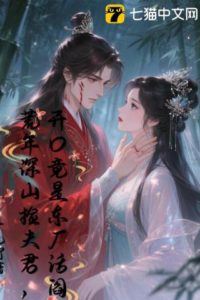
Famine Year: Picking Up a Husband in the Deep Mountains, Who Turns Out to Be the Living King of Hell from the Eastern Depot
+Add to Custom List
Sort
Add review
... Read More
I keep coming back to the clothes. Not just because they're a plot device (though they absolutely are), but because they feel like the central symbol of this whole story. Cui Xiaoqi's father's garment—her only connection to her mother, her only tangible link to a life she's trying to remember. And Pei Ji, this guy who clearly has no attachments, no past, no identity beyond whatever role he's playing right now... he throws it away without a second thought. The contrast is devastating. She clings to fabric because it's all she has. He discards it because he has nothing to cling to. And then he goes back and steals it back for her, which is this incredibly tender act disguised as a burglary. There's also the whole theme of names and identity running through these chapters. No plaque on the mansion. Pei Ji operating under assumed circumstances. Cui Xiaoqi having transmigrated into someone else's life. The Marriage and Procreation Tax that forces her into this arrangement. Everyone in this story is wearing some kind of disguise—literal or metaphorical. And the tax itself is fascinating as a symbol. It's this bureaucratic, almost absurd reason that drives the entire plot. People are being forced into marriages over money. Cui Xiaoqi's entire desperate situation stems from a government policy. The personal is political in the most mundane, crushing way. She says it best: "If it weren't for that damned Marriage and Procreation Tax, I'd never marry in my entire life!" It's funny, but it's also genuinely tragic when you think about it.
... Read More
Okay so let me just say—this section had me on the edge of my seat. The whole wild boar hunt setup was already intriguing (a woman hunting in snow? fine), but then Pei Ji just appears in her house like a ghost and suddenly EVERYTHING becomes a puzzle. I love how the plot keeps layering complications on top of each other. First there's the bloodstains to clean up, then Xiao Ba's suspicious shadow on the window, then the whole 'borrowing the ox cart' situation, and then THREE THUGS show up out of nowhere like the universe is testing whether our heroine can handle anything else. The genius move was having Cui Xiaoqi try to hide Pei Ji under the corn stalks and then him just... walking into the city on his own. I literally gasped. She's out here stressing about travel permits while he's just vanishing into the night like a damn ninja. And then when the thugs corner her and she's literally holding a knife with trembling hands? I was screaming internally. The fact that she bluffed about the Dongchang Supervisor and they actually believed her for a second? Chef's kiss. And Pei Ji appearing right when the skinny guy was about to touch her—classic. He didn't even need to say a word, just flicked his wrist and the threat was gone. But here's what got me: he watched her from the shadows FIRST before revealing himself. That man is a whole mystery box and I am HERE for it.
... Read More
"Lanterns swayed in the night wind, casting mottled shadows. Strangely, no plaque hung above the gate." This line. This single line does SO much worldbuilding. A vermilion-lacquered mansion with no plaque? That's not a home, that's a statement. This is a place that wants to look impressive but can't quite claim ownership openly. And combined with the fact that our male lead climbs over the wall instead of using the door? The author is painting this picture of someone who exists in the margins of society—wealthy enough to have a private residence, but dangerous enough that he can't walk through the front door. The atmosphere in these chapters is consistently cold and sharp. Ice crystals on eyelashes, cold wind whirling snowflakes into eddies, words described as "icicles in the dead of winter." The setting isn't just backdrop—it's almost a character itself. The Imperial Prison scene is particularly visceral: "Eerie wails mixed with the scent of blood drifted out." You can literally smell that place. And then Cui Xiaoqi's feet dangling and trembling? The author keeps grounding us in physical sensation, which makes the world feel lived-in and real. I also love the contrast between the grand mansion and Cui Xiaoqi's internal monologue about wishing she'd transmigrated into a wealthy household. The author is subtly building this world where transmigration is almost a known concept, where people wonder about these things. The grain shop scene with the old man—"Little girl, you're really early for buying grain!"—adds this warm, everyday texture that balances all the darkness. It's a world that feels complete, not just a stage for the main plot.

Leave a comment

You must be logged in to leave comments. or