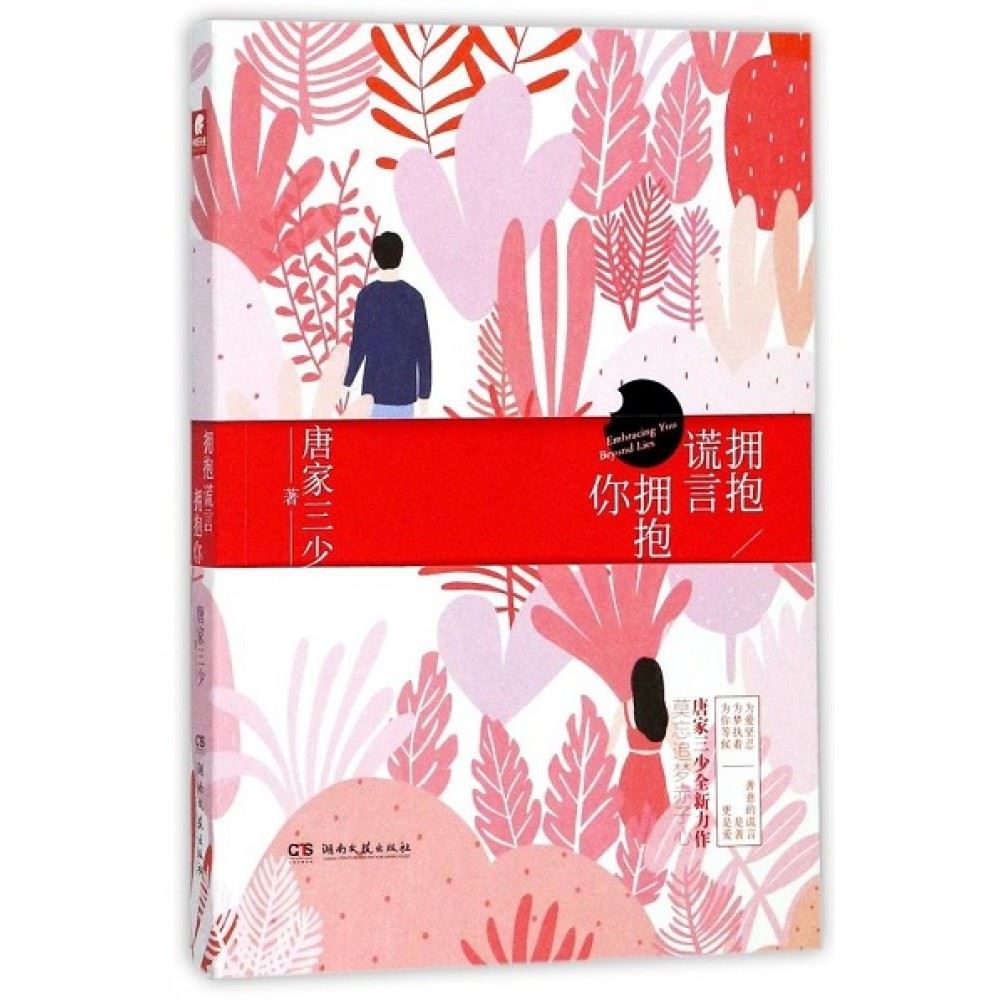
This author understands something most writers miss: love doesn't sound like poetry. It sounds like “Alright” and “Go ahead” and “Idiot, not romantic at all.” The dialogue here is sparse, almost clipped, but every line vibrates with subtext. Take this exchange:
“Why didn't you have the air conditioning on?”
“I don't need it when I'm alone. Plus, the company is just starting out. We should save where we can.”
“You don't need to go that far. It's so hot out. What if you get heatstroke?”
“They say you don't realize the cost of things until you run a household yourself. But even now, you still don't seem to get it.”
On the surface, they're arguing about electricity bills. In reality, they're arguing about class, about what love costs, about whether sacrificing comfort is romantic or pathetic. And Zeng Yu's response—he laughs it off, clearly not taking her concern to heart—is both tender and infuriating. He's protecting her from the ugly truth that he'd rather sweat than spend. Meanwhile, Jiang Nan's internal voice is a completely different register: “Stay composed, stay composed,” and “I've deceived you before. Please forgive me.” These aren't spoken words; they're the private thoughts that reveal everything the dialogue hides. The author gives each character a distinct internal rhythm—Zeng Yu's are practical, grounded, often funny; Jiang Nan's are anxious, yearning, fiercely protective. Even their banter about the watermelon and the old house feels lived-in, not scripted. “You could've made something up,” Jiang Nan pouted. “I didn't want to lie to you,” Zeng Yu laughed. That line hit me like a physical blow. In a genre obsessed with dramatic revelations and shocking confessions, the most romantic thing in these chapters is a man refusing to fabricate a tradition just to please a woman. Authenticity as love language. What a refreshment.