The structural choices in these chapters are what make this passage hit so hard, and I want to break down why the pacing works so well.
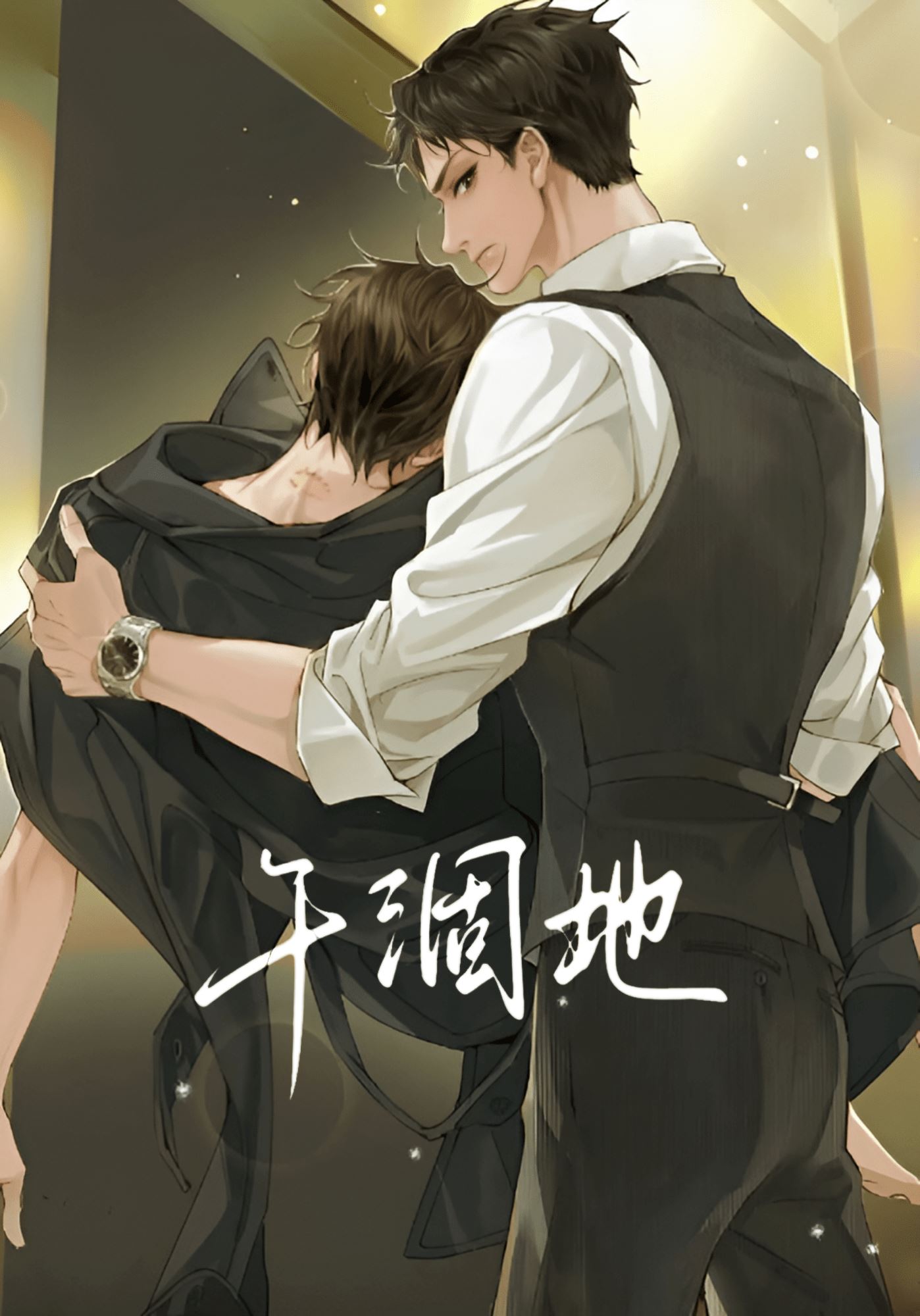
The chapter opens IN MEDIA RES — Fang Fengzhi is already crying, already wrapped in Min Zhi's arms. We don't get the setup, we don't get the lead-up to the sexual encounter. We drop straight into the emotional aftermath. That's a bold structural choice that immediately signals: the sex doesn't matter, the feelings do. The author could have spent pages on the encounter itself, but instead chose to start with the intimacy that follows — the holding, the silence, the caring. That's telling us exactly what this story is about.
Then the transition to Fu Baiqi's POV is where the pacing really earns its keep. Instead of staying with Fang Fengzhi's emotional climax, the author cuts to Fu Baiqi walking into his dark apartment. The contrast in pacing is deliberate: Fang Fengzhi's section is slow, languid, almost dreamlike — time stretches as he cries and is held. Fu Baiqi's section is quick, sharp, mechanical — he enters, he sniffs, he frowns, he calls, he leaves. One section breathes; the other section paces. And that structural difference mirrors the emotional difference between the two men.
The phone call that bridges both POVs is paced perfectly — short, staccato exchanges that feel like real people talking when they're both too tired and too wounded to be honest. Then the pivot: "Let's go to the Civil Affairs Bureau sometime." That line lands like a door closing. And the chapter ends on Fu Baiqi's incomplete thought: "What was the point of dragging it" — trailing off mid-sentence, mirroring the marriage itself.
The middle section where Fang Fengzhi cleans Min Zhi and searches for his phone — this is the breathing room. After the emotional intensity of the crying scene and before the devastating phone call, the author gives us domestic tenderness. It's a pacing valve. Without it, the chapter would tip from cathartic into melodrama. The cleanup scene grounds us in physical reality — wet towels, tissue boxes, the stupid inconvenience of numb legs — before launching into the emotional nuke of the phone call.
And that's the overall structure I love: catharsis, then tenderness, then loss, then resignation. Four emotional movements in roughly equal time, each one earning the next. No scene feels rushed. No transition feels unearned. The author knows exactly when to linger and when to cut away, and that discipline is what makes this chapter so devastating.