Dry Land - Reviews

Dry Land
+Add to Custom List
Sort
Add review
... Read More
I re-read this chapter at least five times and the most devastating line in the entire thing is literally two words: "Mr. Min…" That's it. That's the whole dialogue. Fang Fengzhi says those two words with a trembling voice, eyes full of tears, completely disoriented after coming out of heat, and somehow they carry more emotional weight than any monologue ever could. The ellipsis at the end is doing SO much work. It's not a question, it's not a statement, it's the sound of someone reaching for an anchor and not knowing if they'll find one. And Min Zhi's response is nothing. He just looks at the Omega coldly. No dialogue from him at all in that entire exchange. The narrative voice throughout is also fascinating—third person limited, but it dips into Min Zhi's head so frequently that his internal monologue basically *is* the narration. The author loves those abrupt, almost clinical observations cut through with devastating emotional moments: "He remembered the first time Fang Fengzhi became horny in front of him... The smell of chamomile rushed into his nose at that second, and Min Zhi instantly lost some of his rationality." That's written like a medical report but it reads like a love confession. And then later: "But Min Zhi's heart skipped a beat, and he forcefully turned his body around to face himself again." The voice captures this man who is constantly at war with himself, narrating his own betrayals with this deadpan honesty that's both hilarious and tragic.
... Read More
Okay so let's talk about what Min Zhi actually stood to lose in this entire mess, because the stakes just escalated so hard I need to write this down before I forget. Fu Baiqi's glands are damaged. Even if he's Fang Fengzhi's destined one, he can never have that uncontrollable influence over him again. Min Zhi knows this. And it's eating him alive. Because here's the thing—Min Zhi marked Fang Fengzhi thinking it was permanent, thinking it was enough, but now he's realizing that a mark without the ability to actually bind someone chemically might not be as powerful as he thought. Meanwhile, Fu Baiqi is lying in a hospital bed with a blade wound, and Fang Fengzhi is apologizing for someone else's crime. The triangle here isn't love, it's ownership vs. consequence. And then Min Zhi gets out of prison in less than a month because the government suppressed the incident to avoid panic about enigma violence. So basically the system protects abusers. I'm not okay with this. What kills me is that Min Zhi genuinely believed Fang Fengzhi would stay because of the mark—the text says "The mark was like a cage, trapping Fang Fengzhi inside, and Min Zhi could indulge him in anything he did within it." INDULGE HIM. He literally thought of his partner as a prisoner he could do whatever he wanted to. And then Fang Fengzhi leaves. The stakes just went from emotional to survival-level.
... Read More
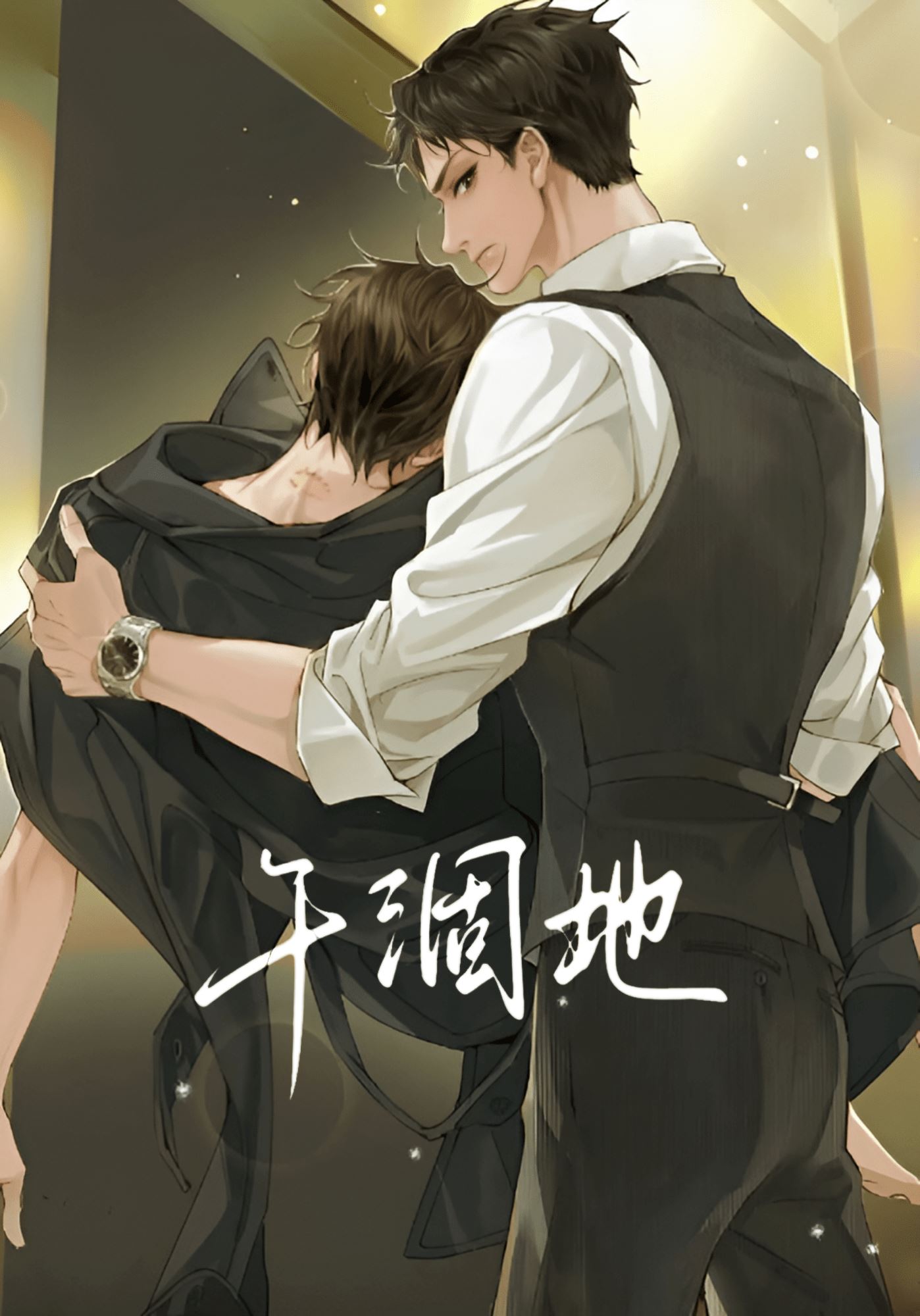
I've been thinking about the symbolism in these chapters and it's genuinely rich. Let me start with the ring because it's doing so much thematic heavy lifting. On the surface it's a marriage proposal object—a symbol of commitment and union. But in context, it becomes something far more complicated. It's a brand, essentially. Min Zhi places it on Fang Fengzhi's finger the same way he marked him, the same way he locked the door. The ring and the bite mark and the lock are all the same gesture wearing different masks—all of them saying 'you are mine, I cannot let you go, and I will find some way to make it permanent.' The fact that Fang Fengzhi keeps wearing it even as he becomes deeply unsettled tells us everything about his internal conflict. He doesn't take it off until Xu Wen's presence forces the issue, and even then he's just handing it to an intermediary rather than destroying it or discarding it. That ring is both his anchor and his cage, and the text makes us feel that duality every time it's mentioned. Then there's the glass partition in the prison visit scene, which is possibly the most potent image in this entire passage. Glass is transparent—you can see each other, you can hear each other, but you cannot touch. It represents everything wrong and everything tragically beautiful about their relationship. Min Zhi pressed his hand against it like he was trying to break through. Fang Fengzhi sat on the other side, wanting to believe the best of this man despite everything. The glass is the physical manifestation of their entire dynamic: close enough to hurt each other, far enough apart to never truly reach one another. And the locked house itself—Fang Fengzhi discovering the new lock, the one that seals from the outside—is such a brilliant domestic horror symbol. A home is supposed to be a sanctuary, a place of freedom and safety. Min Zhi turned it into a gilded cage. The contrast between the intimacy of a bedroom and the finality of a locked door creates this deep unease that runs through every scene. Even the setting of the prison itself matters. A facility designed for S-level Alphas and Enigmas with uncontrollable pheromones and criminal tendencies—Min Zhi is literally classified as dangerous enough to need institutional containment. And yet Fang Fengzhi goes to see him anyway. He walks into that prison willingly. The text is asking us: at what point does love become self-destruction, and where do we draw the line between devotion and danger? The glass wall between them is the answer—the two are separated not by malice but by something neither of them can quite cross.
... Read More
Okay so this section is basically one long detonation that's been ticking since chapter one. Fang Fengzhi gets caught in this impossible triangle and the plot doesn't let up for a second. First you've got Min Zhi watching him from behind, clenched fists, jaw tight—jealousy he's actively fighting. Then he tells himself to wait, to respect Fang Fengzhi's choice, which is simultaneously the most noble and most torturous thing he could do. And then BOOM—Fu Baiqi's attitude shifts completely after the accident. He's not being cold anymore, he's trying. He asks about Fang Fengzhi's grandpa. He asks if they met before. The desired to get close to him is literally written on his face. But Fang Fengzhi panics and bolts. This is so well paced because every emotional beat pushes the next one harder. The caretaker scene sets the stakes, then the villa scene raises them, then the phone call to Min Zhi seals Fang Fengzhi's fate. He's running in circles and the reader knows exactly how this ends—
... Read More
Okay, let me just say—this chapter quietly restructured the entire emotional architecture of the story in like three pages. Fang Fengzhi literally walks out of the hospital room because he can't handle being around the Fu family. He considers himself an outsider. OUTSIDER. And then the father comes out and drops this BOMBSHELL: they KNOW about the divorce, they've DISCUSSED it, and they want Fang Fengzhi to just... stay? For the sake of the marriage? While Fu Baiqi is literally sick and needs his pheromones? The scene where the father says "For the sake of your marriage, please take care of him for a little while longer" completely reframes everything. This isn't a family that's being protective—it's a family that's been pragmatically maintaining a situation because they NEED the pheromone compatibility. And Fang Fengzhi falls for it. He goes back in. He releases his chamomile pheromones. He literally makes himself vulnerable again because leaving would be "unethical." Then—AND THIS IS WHERE IT GETS GOOD—Fu Baiqi presses against him in his sleep. The chapter explicitly states it's the pheromone influence, not genuine desire. But here's the twist: earlier in this same scene, Fu Baiqi actually reflects on Fang Fengzhi's kindness and feels something shift inside him. His heart tightens. He wants to get closer. Is it the pheromones? Or is it the realization that all those times he dismissed Fang Fengzhi's care as unnecessary, maybe he was wrong? And then Min Zhi calls. Just one day of not visiting and Fang Fengzhi misses him terribly. The plot has set up three men and one central figure, and the pheromone bond is pulling in every direction simultaneously. The marriage is already cracked, the outside relationship is re-emerging, and the husband is beginning to feel something he shouldn't. This is peak tension building.
... Read More
Okay, let's talk stakes because this chapter completely redefined what “danger” means for these characters. Up until the video reveal, the conflict felt manageable—two people hiding a forbidden relationship, dealing with forced marriage dynamics, navigating pheromone extractions. The stakes were personal but contained. Then Fu Baiqi's message arrives and suddenly EVERYTHING changes. We're no longer talking about “will they get caught?” We're talking about “will their entire existence be destroyed?” The video shows Min Zhi with another man—cheating, betrayal, evidence that could expose both of them as deviants in a society that doesn't tolerate their kind. Fu Baiqi's messages escalate appropriately: “You are quite capable,” “Let's meet,” “Cheating with him is really big news.” Each line raising the stakes higher. Fang Fengzhi's internal panic makes perfect sense—he realizes that once this video is exposed, neither he nor Min Zhi can escape the consequences. The phrase “not allowed to see the light of day” isn't metaphorical anymore; it's the literal threat hanging over them. And Min Zhi's response—taking control, saying “Let me handle it,” reframing Fu Baiqi as the one at fault for marking Fang Fengzhi and abandoning him—shows he understands the stakes intimately. This isn't just about divorce proceedings or social shame; it's about survival in a world that would destroy them both. The conflict has moved from interpersonal drama to existential threat, and I am HERE for it.
... Read More
I need to talk about the bite mark. Fang Fengzhi goes to change his clothes, remembers the tooth mark on his shoulder from Min Zhi, and suddenly his face goes red. Not because it hurts. Not because he's embarrassed. But because in that moment, he understands WHY Min Zhi bit him. 'It was like a small corner was opened, and Fang Fengzhi discovered Min Zhi's hidden, secret possessiveness through this corner.' Think about that phrasing. A corner. A hidden space. Possessiveness. This isn't violence — it's ownership. It's Min Zhi marking something he's afraid of losing. And Fang Fengzhi, who has been feeling excluded and unwanted all day, touches this mark and feels... moved. Not afraid. Moved. Because it means someone wants him. Even if that wanting is messy and possessive and expressed through biting. The snowman is also a symbol — he makes it look like Min Zhi, serious and frowning, and then destroys it. Is that what he's afraid of? That Min Zhi's love is something that could be broken? That if he gets too close, he'll ruin it? I don't know. But every symbol in these chapters points toward the same ache: the fear of being wanted and the terror of being left.
... Read More
There's a scene in here that I keep coming back to because the imagery is SO specific and vivid. After Fang Fengzhi cries himself into exhaustion, Min Zhi's gentle movements shift the whole atmosphere: "Now the atmosphere in the room is not as intense and hot as at the beginning, but a light, sticky, wet heat surges, like soaking in a hot spring pool." A HOT SPRING. That's the comparison the author uses. It's soft, enveloping, almost dreamlike. And then Min Zhi kisses Fang Fengzhi's eyelids and tells him to sleep. The tenderness here is almost painful to read because we know what's coming next. Then the scene cuts to Min Zhi alone in the bedroom, the light still on, looking down at himself with an expressionless face, grabbing a small bottle of medicine. The contrast between the warm, golden bedside lamp illuminating Fang Fengzhi's mole on his eyelid and this cold clinical moment of Min Zhi medicating himself to suppress his instincts... the visual storytelling is incredibly sharp here. And that ending image—Min Zhi leaning over the sleeping Omega, certain that the red mole on his eyelid must be vivid in this light, his heart faltering with an irregular rhythm. The camera just drifts... and cuts to black. Absolute masterpiece of atmospheric writing.
... Read More
I need to talk about Min Zhi because this guy is becoming fascinat ingly complicated. On one hand, he's the most patient person alive — holding Fang Fengzhi through the worst night of his life, rubbing his back when he's vomiting, dressing him like he's a child when he can't even manage pants. That's devotion. But on the other hand... there's something almost cruel about his calm. 'Now you know it hurts?' He says this while literally watching the person he cares about suffer, and he REFUSES to fix it. Not because he won't, but because he can't? Or because he's waiting for something? The moment where Fang Fengzhi tries to kiss him and physically GAGS from the pheromone clash — Min Zhi's reaction is interesting. He doesn't get angry. He doesn't take it personally. He just 'glanced at him' and patted his back. That's either genuine emotional maturity or emotional detachment dressed up as maturity. And then later, when Fang Fengzhi stumbles around naked and Min Zhi sees him, his response isn't lust or embarrassment — it's this weird mix of possessiveness and restraint. He dresses Fang Fengzhi himself instead of letting someone else do it. That's not just care, that's claiming. Who is this man really, and what does he want from all of this?
... Read More
Okay so this whole section is basically one long dramatic irony situation and I am HERE for it. The plot does this sneaky thing where it makes you think these two are just going to casually coexist after the event, but every scene is loaded with unspoken subtext. Let's talk about the structure for a second—Ch.97 starts with Fang Fengzhi dealing with office gossip about his pheromones, then we cut to him rushing home because he's worried about Min Zhi being alone. That's not a coincidence in plotting, that's the author showing us he cares before either character admits it. Then Min Zhi shows up COOKING. Like, he doesn't cook. The narrative explicitly tells us "I can't cook" and yet there he is making noodles for Fang Fengzhi. This is classic misdirection—the reader spots the significance faster than the characters do. And the best part? The narrative itself gives us their official explanations: "Min Zhi smelled something abnormal... Fang Fengzhi called out the name only because his body had a memory of it." The text presents these as facts, but the whole scene is structured to make you question them. The ice cube moment alone—Min Zhi feeding Fang Fengzhi ice for his burned tongue—screams intimacy, not "just helping him through estrus." The plot is telling us that these two are desperately trying to maintain a rational boundary while every action betrays them.
... Read More
The stakes in this section are personal but they escalate fast. Fang Fengzhi is trapped between three men and zero escape routes. His husband Fu Baiqi is beautiful and distant and apparently faithful—or at least Fu Baiqi believes he is. Min Zhi is present and attentive and possibly the most dangerous person in the room. And Fang Fengzhi's own body is betraying him, craving pheromones he shouldn't want, submitting to marks he shouldn't accept. The external conflict is straightforward: Fang Fengzhi is married to Fu Baiqi and sleeping with Min Zhi. But the internal conflict is where the real tension lives. Every time Fang Fengzhi goes to Min Zhi, he feels guilt. Every time he sees Fu Baiqi on a screen, he wants to leave. Yet his body doesn't stop. His heat doesn't respect his morality. The author makes you feel that split—between the man who wants to be good and the body that doesn't care about goodness. Min Zhi's conflict is different but equally sharp. He hates that Fu Baiqi is Fang Fengzhi's husband. He resents the bond between them. Yet he uses that resentment to pull Fang Fengzhi closer, turning jealousy into control. "The binding nature of destiny shackled him"—Fu Baiqi's own words describe exactly what Min Zhi is doing to Fang Fengzhi. The scene where Fang Fengzhi sees Fu Baiqi on the screen and backs away is the emotional peak of this batch. He's physically compromised, chemically dependent, morally torn, and the sight of his husband's face is the final straw. He wants to leave but can't. He wants to stay but shouldn't. And Min Zhi? Min Zhi opens his arms and watches him struggle. That's the highest stake of all—not bodily harm, not exposure, but the slow, voluntary erosion of someone's will.
... Read More
Okay so let me just say this plot twist hit me like a truck. Min Zhi puts a LOCATOR in Fang Fengzhi's watch. A WATCH. And Fang Fengzhi doesn't find out until now? Two years and he's been walking around tracked without knowing. The audacity. But then—then Min Zhi drops that he knew about the Fu Baiqi encounter because he asked someone about Fu Baiqi's schedule that day. Which means Min Zhi was already watching both of them. Not just through the watch tracker, but actively monitoring Fu Baiqi's movements. This man is NOT playing around. And then the deeper reveal: Fang Fengzhi pieces together that Min Zhi's entire pursuit back then—marking him, putting the ring on him, the whole marriage thing—wasn't some impulsive passionate move. It was CALCULATED. "These things cannot be prepared in a short time." Every step was planned. The temporary estrus medicine, the wedding ring, locking him down before Fang Fengzhi could escape. Min Zhi had been preparing to trap him even before they met again. The narrative structure here is brilliant because it operates on two levels: the surface argument about whether Fang Fengzhi cheated emotionally with Fu Baiqi, and the underlying horror of realizing your partner has been systematically planning your capture since day one. And then—BAM—the baby cries and it cuts off right at the most intense moment. Classic cliffhanger.

Leave a comment

You must be logged in to leave comments. or
