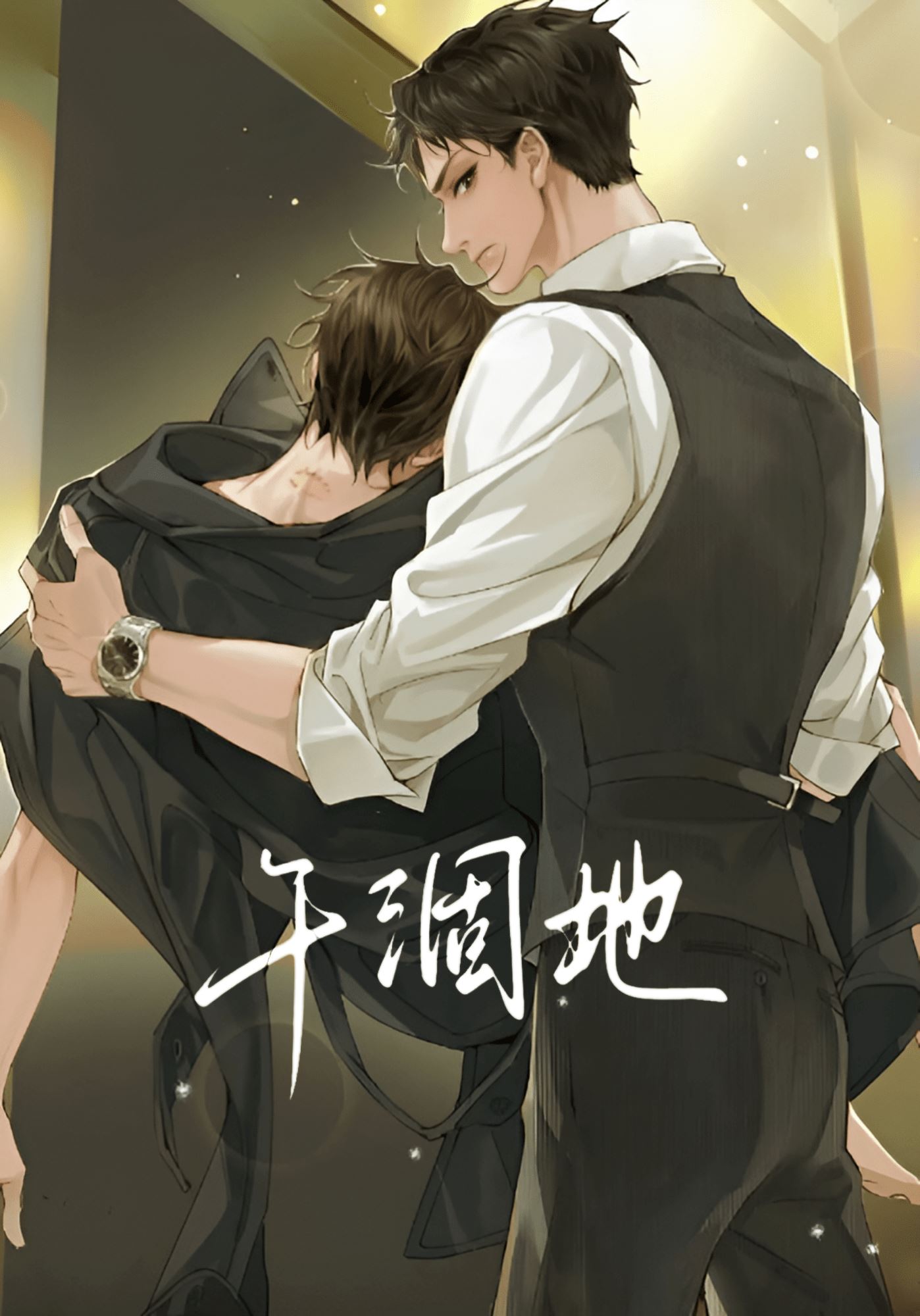
On the surface, this is a story about a marriage straining under secrets and envy. But the symbols layer deeper into something about control, belonging, and the violence of love.
The damaged gland is the first symbol. Fu Baiqi's gland was destroyed—not just physically, but functionally. It's a metaphor for how Min Zhi tried to cut away Fang Fengzhi's past, his connections, his autonomy, hoping to rewrite his present. But destroying someone's biology doesn't create loyalty; it creates resentment.
Then there's the child biting the arm. Fang Fengzhi has stopped lactating; the natural source of nourishment is gone. Min Zhi offers his arm instead—warm, strong, available—but it's wrong, hard, uncomfortable. The child bites and retracts, dissatisfied. It's a perfect image for their dynamic: Min Zhi trying to be what Fang Fengzhi needs, but his approach is misaligned, even painful. The bite isn't aggression; it's confusion, instinct failing against expectation.
"Destiny" itself is the central motif. Min Zhi calls it "enviable"—a perfect match, born to be together. But he's describing someone else's relationship, not his own. The word becomes a measure of his inadequacy, his fear that whatever he builds with Fang Fengzhi will never feel as fated, as seamless, as the story he's comparing himself to. His violence wasn't just revenge; it was an attempt to erase a standard he couldn't meet.
And finally, the tears. Drunk, unconscious, unable to stop crying—Fang Fengzhi's breakdown isn't about one thing. It's the accumulated weight of distrust, physical exhaustion, emotional loneliness, and the child who won't stop searching for milk that isn't there. The tears are the body's honest language when the mind has run out of words.