Dog on the Hutch - Reviews

Dog on the Hutch
+Add to Custom List
Sort
Add review
... Read More
Let me just say—the author understands tension the way a cat understands a laser pointer. You think you're going somewhere and then suddenly you're not, and you're left sitting there wondering what just happened. The chapter opens with Jung Heeyeon asking to stay home. Simple request. But then Director Yeon brings out THE THERMOMETER and suddenly the entire power dynamic shifts in three sentences. The author doesn't rush this. They let it breathe. Cold metal under the tongue. Saliva connecting lips to device. A thin string of spit breaking apart. This is not a medical procedure—this is an intimacy dressed up as one, and the pacing makes you feel every second of it. "A thin string of saliva briefly connected Jung Heeyeon's lips to the device before breaking apart." I read that line five times. Five. The author could have just said 'he checked his temperature' and moved on. Instead they slowed time down to a crawl right when the scene should speed up. That's craft. Then Director Yeon leaves. Just like that. For a meeting. And the chapter cuts away to Kang Seoui and documents—seemingly unrelated business—and you're like wait what and then BOOM he's back and the pheromones hit and the whole second half of the chapter becomes this slow, heavy approach toward something that can't be named yet. The transitions are almost jarring. One moment it's domestic caretaking, the next it's boardroom politics, the next it's an alpha standing on a balcony in the dark smoking a cigarette thinking about his omega. It doesn't flow smoothly on paper but it flows perfectly in your head because the emotional throughline never breaks even when the scenes do.
... Read More
Okay, can we talk about how this flows? I just binge-read chapters 147 through 150 in one go and I honestly don't remember where one chapter ends and another begins because the tension never dips. We open right after a violent confrontation—Lee Yootae has been dealt with—yet instead of dramatic exposition, the author drops us into this intimate car scene. That's smart pacing. You get the aftermath through implication (blood, suppressants, clenching jaw) rather than having to read the actual fight. Then the conversation about alcohol, the 'hyung' vs 'sir' moment, the shower suspicion, the fear of being hit—it's all layered together without ever feeling rushed or dragged out. The transition from the car scene to Jung Heeyeon at home in his pajamas, still hazy and overthinking, is seamless. The chapter ends on exactly the right note—Heeyeon caught between dismissing his suspicions as rude and being unable to shake them. That's a perfect mini-cliffhanger. The author knows when to slow down (those quiet moments of physical touch and internal monologue) and when to push forward (the sharp exchange about scolding and hitting). There's not a single sentence that feels like padding. Every beat serves the relationship development.
... Read More
"Those kids, you, me… we're all just fighting dogs sold to that bastard Chairman Jung." That line. That SINGLE LINE contains the entire thesis of this novel and I'm not even being dramatic. Fighting dogs. Bred for violence. Sold to the highest bidder. Trained to attack on command. And now they're scattered across companies, positions, roles — but the core truth hasn't changed. This imagery recurs like a heartbeat throughout the chapter. The fighting dog metaphor connects to everything else: the hutch (where they're kept between fights), the suppressed pheromones (trained aggression), the swapped guns and drones (weapons disguised as property), the fake surveillance footage (performance of obedience). Chairman Jung didn't just buy people — he bought potential energy and wired it all through him. The Christmas tree is the most layered symbol here, and I need to unpack it properly. An unlit tree in darkness. Only glowing when Heeyeon touches it. Christmas — a holiday about light entering darkness — and the only source of that light is the most vulnerable person in the room. An Omega who has been treated as inventory his entire life becomes the only thing that makes darkness retreat. There's something almost religious about that image, or maybe that's too generous a reading. Maybe it's just cruel irony: the thing that brings light is also the thing everyone wants to cage. And then there's the hutch itself. Director Yeon mentions it like it's seasonal knowledge, like everyone should already understand why winter matters. A hutch is small, enclosed, designed for temporary confinement. But "more effective in winter" implies the subject is already resistant, already hardened. You need the cold to break through that. The metaphor extends to Chairman Jung — he's been away in a third country, biding his time, and now Yeon is creating the conditions for his return. The hunt is seasonal. The trap is cold-proofed. What keeps me up at night is the question of agency. These fighting dogs — Yeon included — are making moves, pulling strings, swapping containers and buying properties. But are they fighting for freedom or just fighting for a better position in someone else's ring? The novel hasn't answered this yet, and that uncertainty is what makes every chapter ache.
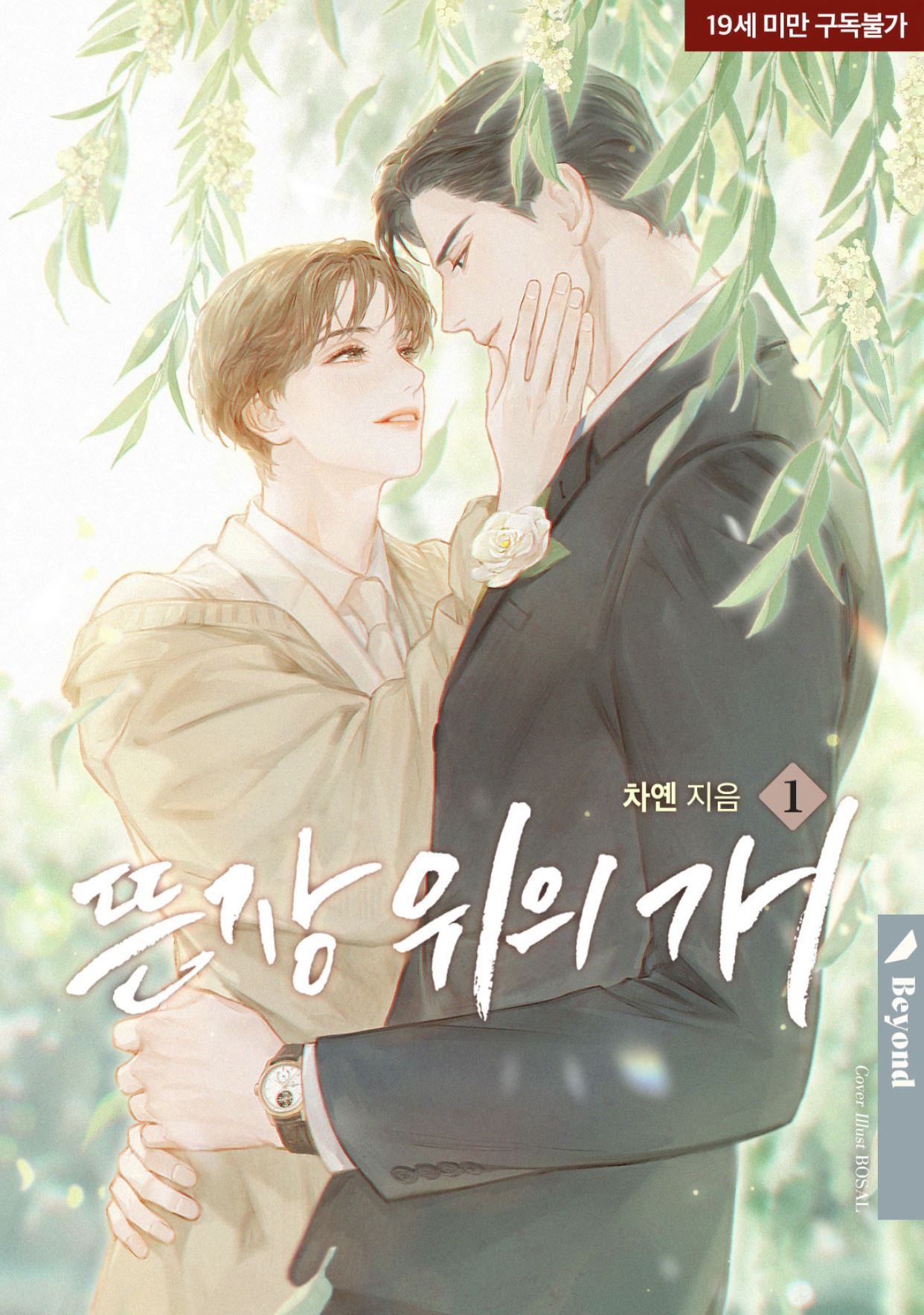
... Read More
I need to talk about this moment because it hit me like a freight train. Director Yeon, this cold calculating figure who's been barely reacting throughout the entire scene, suddenly shifts. All the boredom drops away. He says: 'You, the butler, never laid a hand on the baby's cheek, right?' And then he slaps him. Not a punch. A SLAP. Intentionally humiliating, cutting the skin open, drawing blood. But the words behind it—'I must have forgotten'—this man is carrying so much righteous fury that it almost vibrates off the page. What destroyed me was understanding the subtext. This wasn't just about the present betrayal. This was about a child—Heeyeon as a BABY—who was being physically abused by the very person now kneeling in front of them. The butler who was supposed to care for him, to protect him, was the one touching him wrong. And nobody stopped it. Director Yeon's lazily mocking smile before the slap, the way he casually repositions Lee Yootae's clothes afterward as if nothing happened—this is someone who processes grief through controlled violence. And Kim Jiwon, the doctor, just watching all this with a hollow laugh? The emotional density in these pages is insane. I had to put the book down for a second.
... Read More
'Haaa.' Kim Jiwon let out a hollow laugh as his worst suspicions were confirmed. That single sound—just a breath, just a laugh—marks the turning point of the entire scene. Let me break down why this pacing works so well. The chapter opens in medias res with physical action: dragging across the floor, binding wrists, the scraping chair. Immediate sensory overload. Then it slows down into exposition—Kim Jiwon explaining the stimulant, the interrogative dialogue about Heeyeon. The reader breathes. Then, boom: the truth about the pheromone suppressant drops, and everything changes. What's brilliant is how the author uses Kim Jiwon's professional assessment as a pacing mechanism. He's the medical expert, so when he explains the dangers of forced pheromone suppression in a minor, it feels natural and necessary rather than expository. By the time Director Yeon rises from the sofa—'The leather sofa made a sound as it released the alpha from its embrace'—the tension has been building so steadily that his movement alone signals a shift. And then the rain intensifies outside. The environment mirrors the escalation. The chapter doesn't rush; it breathes, it expands, and then it snaps shut with that devastating final exchange about the baby's cheek. The pacing is almost cinematic in its control.
... Read More
The pacing in these chapters is genuinely excellent. We open with Kang Seoui's phone call - quick, tense, ends with Yeon hanging up unimpressed. Boom. Done. Establishes his power dynamic in three lines. Then immediate shift to examination room for medical exposition. Good. Now we understand the stakes. But here's where it gets clever: Kim Jiwon drops the imprinting bomb and we CUT to Yeon alone with his drink. That's a deliberate structural pause - the reader processes the information while Yeon does. The glass-tilting scene IS the pacing breath between scenes. It's slow, heavy, almost meditative before we get the actual confrontation. Then BAM - bedroom, light on, Heeyeon awake. The reveal that he wasn't asleep during the previous scene? That's a pacing payoff that recontextualizes everything. Did he hear the phone call? Is that why he's 'sleeping through the day lately'? The structure keeps feeding you information in chunks that make you piece together the full picture. The ankle-to-cheek examination sequence is perfectly paced too. Each question ('How's your ankle?', 'Hmmm, you're walking well now?') followed by Heeyeon's responses creates this rhythm of concern and dismissal. It's slow enough to feel intimate but moves fast enough to not drag. And ending on 'It doesn't hurt if you touch it' - that's a CLIFFHANGER of emotional vulnerability, not action. You keep pages turning because you NEED to know what happens when he finally makes that decision.
... Read More
Okay so let me just say—this chapter is a masterclass in political maneuvering wrapped in what looks like a domestic scene. Kang Seoui walks in thinking he's negotiating, and Director Yeon basically lets him believe that for five minutes before the whole floor drops out. The man brought Jung Heeyeon along as a flex. As a weapon. As proof of control. That line 'Don't cross the line' delivered while the door was still slowly closing? Chilling. Absolute chill to the spine. And here's the thing that got me—Kang Seoui's reaction. He doesn't rage. He doesn't storm out. He laughs. Laughing. Because he understands exactly what just happened and what it means for their alliance. 'We're just using each other.' That's not bitterness, that's recalibration. This guy is playing a longer game than I initially gave him credit for. The plot threads here are braiding together so well. Chairman Jung is being dismantled from within. Kang Seoui is maneuvering for succession. And Director Yeon—Director Yeon is holding all the cards while pretending to be bored. The narrative keeps this layering going: surface-level conversation, underneath it all threatening pheromones and veiled warnings. Every line of dialogue is doing double or triple duty. I also love how the chapter ends—not with a confrontation but with Jung Heeyeon at a window, touching glass, watching a world that still feels unfamiliar beneath his feet. That image lingers. It suggests he's been uprooted, placed in this new life, and while he pretends to be okay with it, the solitude of that gesture says otherwise.
... Read More
I need to talk about the stew. THE STEW. This is apparently a medical crisis chapter — dominant omega, forced pheromone accumulation, potential shock, heat complications — and the author decided the emotional anchor for ALL of it is two guys eating tofu stew together. And somehow it WORKS. Director Yeon personally cooked this for Heeyeon. Not because it was requested. Not because it was efficient. Because Heeyeon mentioned offhandedly that the red broth was too spicy and the next time? Yeon made it himself and adjusted the spice level. Every single time. This man has the resources of a powerful alpha director and he spends his free evening adjusting seasoning packets for an omega who can't even handle mild flavors. That is LOVE. That is the most tender, specific, deliberate kind of love language. And Heeyeon's reaction! 'Everything you make is delicious, Director.' 'It was all thanks to Director Yeon.' This kid has never — NEVER — had someone cook specifically for him with care and attention. He was eating whatever was provided, soft tofu stew that he thought was supposed to have white broth because that's what the cage versions had. The texture of warmth, the fact that the broth made his body feel warmer going down... the author is layering sensory detail so carefully here. Then the 'forever and ever' exchange. Heeyeon doesn't understand the full meaning of 'make my hands busy' but he trusts Yeon anyway. That blind, unhesitating trust — it's painful in the best way. 'Can I stay with you forever and ever?' 'Yes. Stay with this director forever and ever.' Two sentence fragments that contain more emotional weight than half the dramatic confessions in romance novels. Yeon didn't say 'I love you' but he said 'forever' twice and that's somehow more powerful. I am emotionally compromised.
... Read More
I need to talk about the snow duck as a symbol because this is deeper than we initially think. Heeyeon spends THREE ATTEMPTS making this duck. Three tries. And what happens? He shatters it before he can even present it to Yeon. What does that mean? I think it mirrors their entire relationship dynamic so far—Heeyeon trying to figure out how to be close to someone, struggling with social nuances, wanting to give this man something meaningful, and then everything falling apart before he even gets the chance. The duck is fragile. Their connection is fragile. And yet Yeon doesn't scold him or seem disappointed. He just picks up the moment and holds him. Then there's the line about being 'expensive.' When Yeon says he doesn't act like an 'easy catch,' Heeyeon internally connects this to Lee Yootae's comment about himself being 'sold for a high price.' He's trying to translate human social language into something logical, something that makes sense. The snow field itself is a metaphor—he's standing on something untouched, pristine, not knowing where to step. Everyone else has walked here before (made snow ducks, left footprints), but he's experiencing it for the first time. Naive. Vulnerable. Exactly why Yeon is there. The ending where Yeon covers Heeyeon's strained wrist with his own hand and interlaces their fingers—this is the resolution of the symbol. Something broken (the duck, the trust, the understanding) becomes something held together. I'm not crying, you're crying.
... Read More
There is a single moment in these chapters that I have replayed in my head approximately forty-seven times and I am not okay. Jung Heeyeon's fair hand against Director Yeon's dark suit, fingers clutching the hem during the elevator ride because he's never experienced something as simple as going up in an elevator and his body reacted before his mind could catch up. The author describes it so perfectly—the smallness of his hand, the brightness of the elevator lights, the way Heeyeon only realized what he was doing after the fact and immediately let go like he'd done something wrong. And then Yeon extends his hand. Not demanding, not commanding—extending. An invitation. And when Heeyeon tries to protest that he'll be fine without hand-holding, Yeon's response is the most alpha thing I've ever read in a romance novel: "When a baby rides an elevator, they're supposed to hold an adult's hand." He gives him a script, a justification, a way to accept the touch without having to admit he's lonely. Without having to admit that in his entire life, outside of distant childhood memories, this might be the first time someone held his hand willingly. "The unfamiliar touch with another person made Jung Heeyeon instinctively twitch his fingers slightly, brushing his fingertips against the back of Director Yeon's hand." That sentence alone—just that tiny involuntary brush of skin against skin, that micro-reaction of an omega who has never been touched with anything resembling gentleness. My heart actually hurt. And then Yeon pulls him into his home, calls him a baby affectionately, leaves a warm room with prepared clothes and a soft goodnight, and Heeyeon stands looking at city lights for the first time ever pressing his forehead against cool glass. The romantic tension here isn't built on dramatic declarations or forced proximity tropes—it's built on this one man slowly, carefully teaching another human being what it means to be held.
... Read More
Okay, so this entire chapter is basically one long emotional confession and I am not okay. Director Yeon watching Heeyeon eat—just watching him. The way the narration keeps returning to Heeyeon's face, his cheeks chewing, those wet eyes from the spicy noodles—it's so tender it actually hurts. This man who can't trust anyone, who grew up surviving on scraps and somehow built an empire on suspicion, is sitting across from an Omega eating instant noodles like it's the most precious thing in the world. And Heeyeon! He literally cannot smell Director Yeon's pheromones and instead of being creeped out or worried, he just... studies him. Curious. Like a child examining something new. That scene where he looks up at Yeon while holding the noodle cup, just absorbing his presence—it's so pure and so devastating because we know what Yeon has survived and what he's capable of, and yet here he is, letting someone see him vulnerable. The moment where Heeyeon offers to share his tiny cup of noodles is something else entirely. He picks up the smallest items. He chooses the baby jelly. He offers to split his food with a man who probably could buy the entire convenience store. 'Eat plenty,' Yeon tells him, and Heeyeon takes it literally because he doesn't understand nuance—and that's what makes Yeon realize he actually refused. The misunderstanding is so achingly innocent. Heeyeon eating that blue jelly at the end, gaze lingering on it even while chewing kimbap—that's the Omega claiming something small and sweet for himself. After everything, he gets to have this tiny joy and Yeon just lets him. Doesn't stop him. Doesn't take over. Just watches. I'm genuinely emotional about this.
... Read More
That guest room door is doing more narrative work than half the chapters in this book. It's not just a plot device—it's a symbol for everything these two haven't fully unpacked yet. The closed door represents the boundary between what's known and what's hidden, what's shared and what's kept private. Director Yeon stares at it. Heeyeon blocks it. Kim Jiwon flees from it. It exists in the space between them physically and emotionally. And then there's the imprinting itself as a concept. The whole chapter is obsessed with control versus surrender. Jung Heeyeon wants to imprint—not because his pheromones demand it, but because he chooses to. Director Yeon is described as a predator, muscles taut, alert, waiting for a reaction. But he also offers his neck without hesitation. Both characters are simultaneously hunters and willing participants. That duality is the theme. The bite marks on Director Yeon's neck are another layer. They're evidence of Jung Heeyeon's attempt to claim him, to leave a visible mark of the bond. But the omega is apologizing for them, touching them gently, saying he won't bite anymore until he's better. There's a tension here between wanting to mark and wanting to protect. Between possession and care. Even the phone call with Kang Seoui operates symbolically—this figure of authority deferring to Director Yeon, understanding “who held the upper hand.” Power isn't just romantic here. It's everywhere. In relationships, in business, in pheromones, in who gets to open the door. The chapter asks a simple question underneath all of it: what are you willing to be vulnerable for? And the answer, apparently, is everything.

Leave a comment

You must be logged in to leave comments. or
