Delicious Sweet Milk Baguette - Reviews

Delicious Sweet Milk Baguette
+Add to Custom List
Sort
Add review
... Read More
Okay, I know this sounds ridiculous but hear me out — this story is doing something clever with bread as a symbol and I can't stop thinking about it. On the surface, bread represents desire, access, longing. Roa wants the sweet milk baguette the way other women want marriage proposals or social status. Both are scarce resources in Calantus — twenty loaves a day, limited availability, things you have to wait in line for. The hunger motif runs throughout: hungry bellies sticking to backs, mouths watering, desperation that borders on starvation. The bread isn't just food; it's fulfillment. But then the misunderstanding reframes everything. What Roa thought was literal nourishment turns out to be something entirely different — sustenance of a different kind. The 'tasting bread' that Joshie wrote about becomes code for intimacy, pleasure, connection. And Roa's rejection of arranged marriages and traditional female roles takes on new meaning when she's put in this position where a man assumes she wants something she didn't ask for. She spent her life saying no to men who wanted her to conform — and now she's in a situation where a man heard exactly what he wanted to hear. The sweet milk detail is also interesting. Roa loves coffee paired with sweet milk — bitter and sweet together. That's essentially her relationship philosophy, isn't it? She chooses intensity over convention. And Klimt notices this about her instantly, even before the misunderstanding deepens. "Women from the central regions seem to have a bolder approach." He's reading her, testing her, seeing if she'll match his energy. There's also the bread-under-the-apron image that appears twice — once physically (the actual item) and once metaphorically (his body). The repetition creates this parallel that's almost too on the nose, which is exactly why it works.
... Read More
So the dialogue here is doing SO MUCH work and I need to unpack it. First, Klimt's voice—he speaks in this earnest, almost simple way. 'The goal of opening the shop had already been achieved, so there was no reason to continue.' That's not romantic, that's practical. But then it IS romantic because he means SHE was the goal. The author writes him like he's this giant gentle man who communicates through actions mostly. His lines are short, direct. 'It's dripping.' 'You're wet, Roa.' Not filthy, just... observational? Statement of fact. And Roa? She's all flustered half-sentences. 'Klimt, should I—' 'Don't move right now.' The way she trails off, gets cut off, gets overwhelmed—that's her voice. Physical response overriding speech. But then there's the bread dialogue! When she says 'I want a baguette. With plenty of sweet milk'—that IS the dialogue doing its job. Two people speaking literally and figuratively at the same time without anyone breaking character. The author never makes it cringe because both characters treat it as normal. Even after she passes out and wakes up, their exchange is just... domestic. 'I'm starving!' 'I'll bring it out with some soup.' No big declarations, just... this is what we do now. That's how you write intimacy. The humor lands because neither character is performing for the other. He's earnest, she's overwhelmed, and somehow that balance feels incredibly real.
... Read More
Let's talk about how this chapter manages to do THREE completely different things back-to-back and makes it all work. Act One is pure erotic tension. We're in Klimt's bakery, two strangers (allegedly) circling each other, the bread metaphors escalating, the physical description of Klimt's body, the negotiation of consent, the actual encounter. This section is paced like a slow burn—every line building toward something, every touch earning its escalation. The author doesn't rush any of it. Klimt asks, Roa agrees, Klimt thanks her. The pacing here is almost reverent despite how explicit the content is. Then Act Two hits—right after the sexual climax, when Roa is lying there in the afterglow—and the author drops a full backstory chapter titled "The Fighting Dog of Calantus." This is a structural gamble. You could easily imagine a reader bouncing off a tonal whiplash like this. But instead, it works because the emotional thread connects them seamlessly. Klimt is trembling, his eyes full of desperation, and the narrative follows his internal state into the past. The flashback itself is efficiently devastating. We go from the merchant's description of Klimt as a child—"crammed into a cage meant for beasts, his green eyes staring back with an empty void"—straight to Roa's intervention, straight to the moment she gives him her name and tells him to leave. No filler. The author trusts the reader to feel the weight without over-explaining. Act Three returns to the present and we get the reunion confirmation and Klimt's declaration that opening the bakery was solely to see Roa again. Then it cuts off right as things are escalating again—"I want to be closer to Roa"—with a hanging "She shyly" trailing off. That cliffhanger ending is MASTERFUL. The chapter gives you the romantic payoff you've been waiting for, then pulls the rug out right when it's about to get spicy again. I need the next chapter immediately. I am not okay.
... Read More
The chapter opens at peak emotional temperature. Roa, usually composed, finds herself disarmed by Klimt's raw, unguarded declaration: "I'll stay by your side, Roa. Always." What makes this moment land isn't just the words—it's the image of him, large and robust, eyes glistening with tears, offering her something so vulnerable it feels almost dangerous to receive. The narrative then pivots sharply into an epilogue that could have felt like filler but doesn't, precisely because it earns its sweetness through contrast. The week-long slice of domestic life—breakfasts, market visits, park benches—grounds the earlier intensity in something tangible. The Joshie subplot, initially planted as a tiny spark of suspicion, becomes the emotional keystone: it forces Roa to confront her own insecurities and Klimt to articulate his devotion in a way that would have felt hollow without it. The resolution—that Joshie was merely a bread columnist who happened to taste the baguette and praised it, and that Klimt had only used that same baguette on Roa—is a quiet triumph of narrative economy. One misunderstanding, resolved through dialogue, reveals the entire architecture of their relationship: Klimt saw Roa first, recognized her, and spent months finding his way back. The plot doesn't twist or turn dramatically; it spirals inward, deepening rather than advancing, which is exactly what this story needs. I kept thinking about how the bread metaphor threads through everything—Joshie's column mentioning it, Klimt's hesitation, Roa's imagination running wild. Food as romance, food as fate. That final line, "A day as sweet as the sweet milk and crisp as freshly baked baguettes," feels like the author winking at us, confident the meal has been properly served.
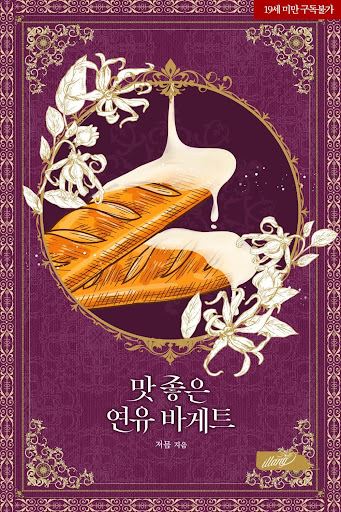
... Read More
Let's talk about stakes for a second because this scene is built on genuine danger and I love it. Klimt is LITERALLY about to commit a crime. Breaking and entering. In the capital. If guards had caught him, he'd be arrested. And she knows this—'you do know breaking and entering is a crime, right?' But then she also knows WHY he did it. 'I was so afraid I might never see you again.' The fear is the stake. What if she'd rejected him? What if she'd moved? What if she was dead? He knocked for a WEEK. Seven days. No answer. The rolling pin wasn't a joke, it was a tool. That's obsession wrapped in devotion and I'm here for it. On her side, the stakes are about control. She's a high-paid palace worker, independent from her family, owns property—she has everything figured out. Then he shows up and completely dismantles her composure physically and emotionally in under two hours. She can't even stay conscious. The conflict isn't good versus evil, it's two people who clearly belong together colliding after years of separation. The external conflict (almost getting arrested) is tiny compared to the internal one (her realizing she never wants him to leave). When she offers him to stay, that's the resolution. He's not leaving. She's not letting go. The bread becomes this symbol of permanence—daily, recurring, something he provides. The stakes were life-or-death levels of missing each other, and the payoff is domestic bliss with a side of felony attempted.
... Read More
I need to talk about how this chapter manages TWO completely different moods and pulls off both effortlessly. The first half is pure, unrelenting tension. Every moment with Klimt at the window is building and building—will someone see? Is the glass thin enough? What if those ladies hear us? The pacing here is almost suffocating in the best way, and I found myself reading faster and faster as the anxiety mounted. The author knows exactly how to stretch those seconds. Then—plot twist—the ladies leave and the scene flips entirely. The tension releases into something warm and tender. Klimt's whispered compliments, the way his 'gaze curved up like beautifully kneaded croissant dough'—the pacing breathes here. It's a controlled exhale after holding it for twenty pages. And then ANOTHER shift. The calm domesticity of Roa's bath, champagne, and bread cravings gets absolutely demolished by thunderous door-banging. Bang bang bang. I actually jumped. The author went from languid relaxation to 'who is destroying my peace' in one sentence, and it worked perfectly because we were JUST as relaxed as Roa was. The structural choice to end on Klimt arriving at her door is brilliant. It reframes everything that came before—he wasn't just a fleeting romantic encounter. The whole chapter is basically a setup for that reunion, and the structure makes you realize you should have connected those dots sooner. This author understands suspense like nobody's business.
... Read More
I can't stop thinking about this one line. 'I studied... I wanted to be able to give you a massage if I ever got to see you in person.' He's been practicing THIS? For YEARS? While she was working late shifts and he was just... where? Learning kneading techniques? I felt that so hard it hurt. And then when he's pressing into her shoulders and she's melting and he starts getting teasing about what else he can do for her, and she's all flushed and embarrassed because she WANTS him to but she's not used to being the one who asks? That shift from her worrying about his money to him completely overwhelming her physically—it's like the power dynamic just flips and she has no choice but to surrender. The scene where she passes out and he stays worried by her side, considering calling a doctor? That's tenderness underneath all that raw lust. And then he cleans her house. CLEANS IT. While she was passed out. That's not just sex, that's care. The part where she thinks about him maybe leaving a child inside her—that's vulnerability, that's her body remembering something primal even while her mind knows she's on birth control. 'I absolutely can't let him go'—that line at the end? I'm dead. She goes from 'you could break in jail' to 'stay here forever' in one breath. The romantic tension wasn't just sexual, it was desperate. He was starving for her. She didn't even realize how much until he showed up with buttered baguettes and dirty floors suddenly sparkling.
... Read More
Oh my god, I literally could not stop reading after the first chapter. Let me just say — the opening premise is so deceptively simple. A woman travels across the region for bread. She waits in line. She misses out. And then she meets a guy who thinks she wants something THAT kind of bread. The misunderstanding is the whole engine here, and it works because it's so absurd that it becomes inevitable. The way Joshie's column sets up the entire misunderstanding is brilliant. Twenty loaves a day, special tasting bread — everything sounds completely innocent. Then Klimt takes it in the most unexpected direction and Roa has to untangle all of this. That moment when she calls Joshie a fraud? I literally laughed out loud. The pacing here is so well done — it builds from a simple bread quest into something way more complicated, and it never lets go. What really impressed me is how the stakes shift mid-story. At first it's just about bread, right? Then it becomes about whether Roa can maintain her dignity while being completely disarmed by this man. And then the story drops this bombshell — she's leaving tomorrow. The clock is ticking. Every interaction is layered with that urgency. The narrative arc from "I just want one baguette" to "oh no we're doing this" is so smooth. I'm curious where it goes from here, honestly. How does Roa navigate being stuck in Calantus with a baker who thinks he seduced her? Does she confess the misunderstanding? Or does she keep going along with it? I need answers.
... Read More
The city of Hilgrad is described with such precision it feels like a character itself. The text contrasts it directly with Calantus—scorching sun and languid atmosphere versus meticulous planning and neat attire—and that contrast does heavy lifting. It tells us about Klimt's origins without exposition dumps. He's a Southerner in a Northern city, and the visual dissonance of his clothing against the orderly backdrop makes him *visible*, which matters because visibility is exactly what he wanted. He didn't want to blend in; he wanted to be seen by her. The park bench scene is one of the most quietly cinematic moments I've read recently. Two people sitting side by side, one licking vanilla ice cream, the other wiping it away. The casual intimacy of it—the shared silence, the playful power shift when he tastes her thumb—feels like a scene from a film where the camera just holds on them a beat longer than necessary. And the sensory details are everywhere: the chill from the ice cream causing a shiver on the nape of her neck, the ticklish kiss he leaves there, the warm midday light blazing above them. The world doesn't intrude; it enhances. Even the market visit, where Klimt's southern clothing draws stares, serves the romance—it's a minor inconvenience that becomes background noise compared to the internal landscape they're navigating together. The bakery imagery recurs like a motif—the tasting bread, the baguette, the sweet milk—but it's never just food. It's memory, it's connection, it's the tangible proof that someone noticed you existed. When Klimt recounts how Joshie's column mentioned his bread and how that column led Roa to his shop, the entire narrative circles back to that original moment of being seen. The world of this story isn't built on epic geography or political intrigue; it's built on the space between two people sitting on a bench, sharing something sweet, realizing they've been searching for each other longer than they knew.
... Read More
Okay, so I just got absolutely wrecked by the backstory reveal and I need a minute. This whole scene isn't just some steamy encounter between two adults—it's this deeply layered reunion between two people who shaped each other's lives in ways neither probably expected. Klimt is... wow. The man built himself entirely around the memory of one act of mercy. A kid in a cage, watching a noble girl with silver hair and gray eyes buy his freedom, and she casually gives him her full name—Roa Eckladen—like it's nothing. And he memorizes it. He whispers it over and over. "Someday, we will meet again. My beautiful Messiah, Roa Eckladen." Then he spends however many years learning to bake, training his body, mimicking noble manners—all of it to become someone she would want to see again. That's not obsession, that's devotion so complete it became his entire identity. But here's what gets me: Roa remembers him. She pieces it together during an incredibly intimate moment and says "Could it be you, Klimt?" and he literally starts tearing up. Like he'd spent years rehearsing this exact conversation and now that it's happening, he's completely undone. The power dynamic is fascinating too. She was the savior, the noble who bought his freedom. Now she's the one lying on his bakery table, trembling because he's overwhelming her in every way possible. And he's still so gentle about asking permission—"Will you help me, Roa?" Even when he's clearly losing control, he comes back to her consent. That's not a fighting dog. That's someone who was taught grace and never forgot it. I keep thinking about how Roa rationalized this whole thing at the start—telling herself it's fine because he's an adult, she's an adult, no scandal, no commitment. But then he calls her "My beautiful Messiah" and suddenly her whole carefully constructed logic collapses. She can't just have sex with a stranger. This is the boy she saved. The one she's been carrying in her memory without even realizing it.
... Read More
Okay so I need to talk about how this author uses bread as this... I don't know... emotional shorthand? Like, every time Klimt mentions bread it feels coded, right? When he says 'the gown is all wet' and then immediately pivots to rolling pin drama, I was like wait what—then he reveals he came all the way to the capital and was going to BREAK DOWN HER DOOR because she didn't answer. That line hit me like a truck. 'If you hadn't answered today, I was going to break it down to check.' And she's just sitting there thinking about his financial situation like bro you almost committed felony trespassing and you're worried about my rent?! The pacing here is wild because you've got this intense physical reunion scene that literally makes her pass out from exhaustion, and then she wakes up to find he's cleaned her entire house and baked bread. Who does that?! That's not just romance, that's domestic devotion wrapped in a package. The subtext about his bakery skill surpassing the Hilgrad royal bakers? That's world-building through food. Joshie's column apparently recommended him and now she's convinced she can't let him go. That's the plot arc right there—she goes from wondering if she should worry about money to absolutely determined to keep him forever. The author doesn't tell us why they were separated for years but the weight of it lands perfectly. He waited. She didn't notice. Then he shows up with a rolling pin ready to breach her door. Perfect setup, perfect payoff.
... Read More
Okay so this whole chapter is kind of wild when you step back. The setup is deceptively simple—Roa goes to Calantus for a conference, meets this baker guy Klimt, and then... well, let's just say things escalate in the most audacious way possible at a bakery. But here's what actually hooked me: the little eavesdropping ladies outside the window. I cannot get over how the author used them. They're just casually fixing lipstick and talking about muffin crumbs, completely oblivious to what's happening inches from their noses, while Roa is having a full existential crisis behind the glass. That juxtaposition is chef's kiss. And then the time jump! One minute she's saying goodbye with this sweet 'see you next year' promise, and suddenly we're a month later and she's drowning in paperwork back in the capital. The shift was so abrupt it threw me off, but also—I get it, right? That's how life works. She finishes this incredible romantic interlude and then BAM, back to being a tired researcher. The real plot twist though? Klimt shows up at her door with a rolling pin like some kind of unhinged romantic hero. Not a letter, not a phone call—him, physically appearing after claiming he'd write. This guy went ALL IN. I laughed out loud at that. One thing that bothered me slightly: the transition between the Calantus scene and the capital scene felt a bit rushed. We skip over a whole month in two paragraphs. But honestly? The payoff at the end more than makes up for it.

Leave a comment

You must be logged in to leave comments. or
