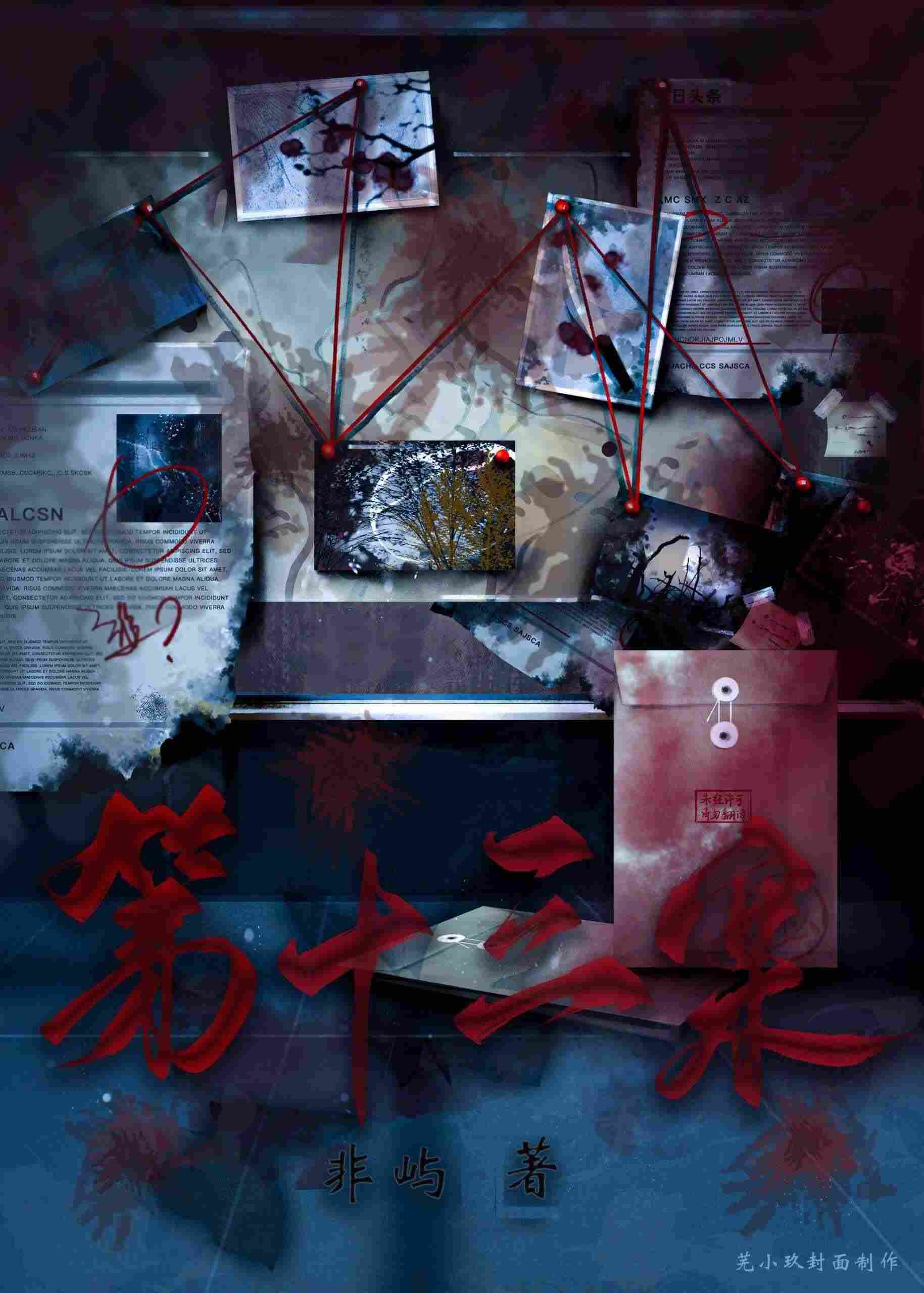
There's a line in this chapter that has been eating me alive: "I've never been good at running, but that day, I practically ran through the entire western part of the city. I was so exhausted. My throat burned, and my lungs felt like they were going to explode. Then I found her. And she was dead."
The running motif here isn't just physical — it's the embodiment of every attempt Jian Mengyan has ever made to outrun guilt. She ran to find Jingjing. She ran through the storm. She ran until her body failed. And what did she find? Death. The futility of it all is written into her muscles, her lungs, her very bones.
And then there's the rain. Always the rain. It connects every traumatic moment in this story — the day Jingjing died, the present-day breakdown, the emotional flooding that Jian Mengyan can't contain. Yin Zhuo calls her "just like water" and now I understand that he's not just saying she cries a lot. Water is her essential nature. She flows, she floods, she drowns, and she can't stop moving.
The paroxetine in the nanny's bag is another symbol I can't shake. Mental illness as background noise. Someone who prescribed it, someone who fills the prescription, someone who carries it in a plastic bag through a thunderstorm. It's not dramatic — it's domestic. It's normal. That's what makes it hit harder.
And the recording itself — this tiny piece of technology that contains the weight of a murdered teacher, a chemically manipulated physics exam, a conspiratorial friendship built on lies — it's the ultimate symbol of how the past refuses to stay buried. Lin Shaohuai didn't just record a conversation; he recorded his own indictment. And now it's in Jian Mengyan's hands, which means she's holding someone else's destruction.
The deeper meaning beneath all of this? Guilt is contagious. It passes from person to person like a virus. Jian Mengyan, Yin Zhuo, Lin Shaohuai, Hao Yiming — they're all infected, and the symptom is the same: they keep running, keep manipulating, keep surviving, but none of them are safe.