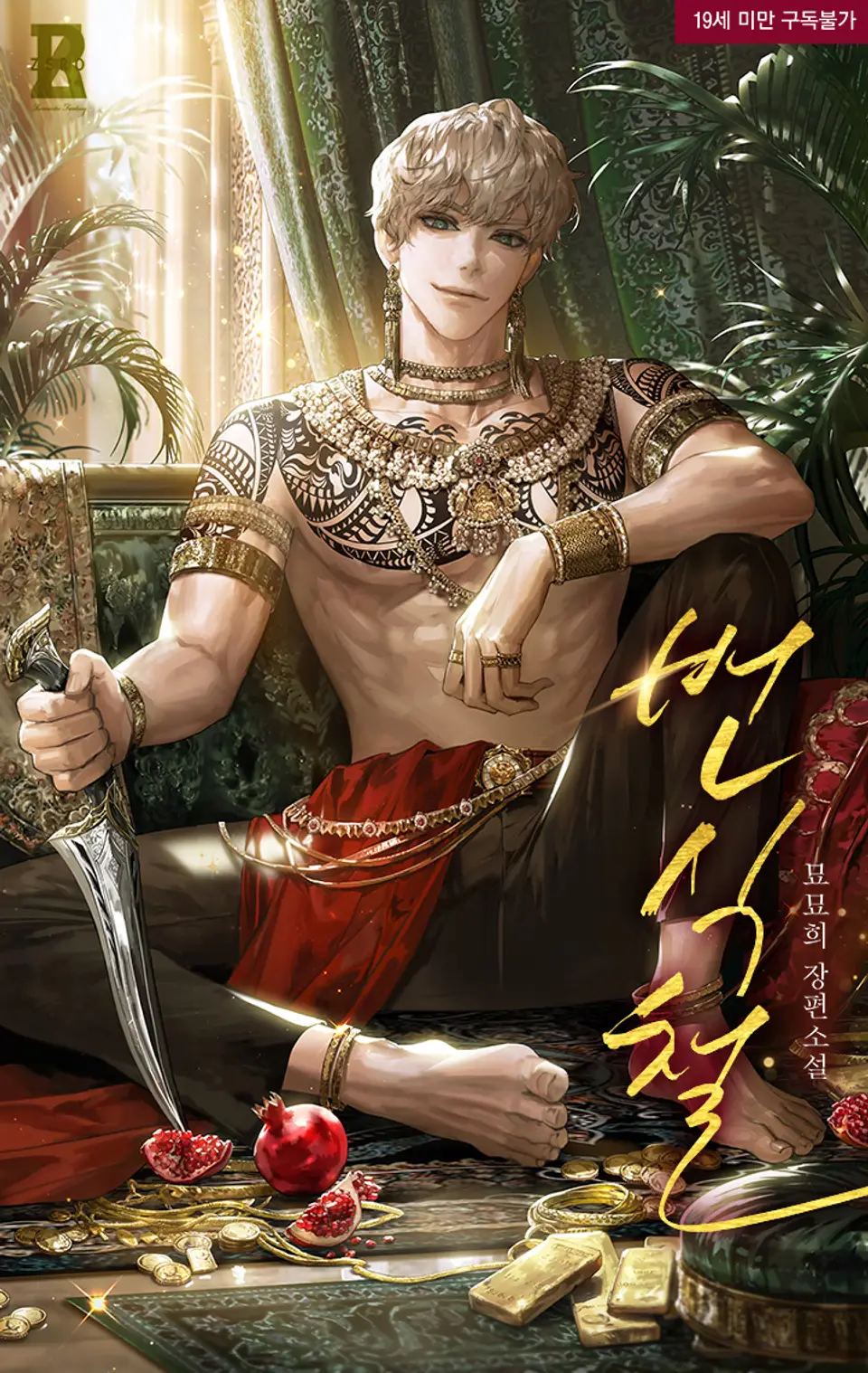
The worldbuilding in this section is staggeringly layered, and the author manages to reveal it through action rather than exposition dumps. The opening passages about Aquafuran, the water goddess, and the creation of the Taran desert immediately establish a mythic history that feels both ancient and relevant. ‘Even the winds turned parched'—four words and suddenly you understand an entire climate tragedy.
The contrast between Wilkeron and the South is drawn through visceral details. In Wilkeron, water is abundant, books are forbidden, and death is a taboo subject. In the South, water is controlled by the ruling class, warriors ‘erupt in joyous cries' when they find streams, and infected mutations happen every ten seconds. The author shows us the South through Siren's confused eyes—watching bare-chested warriors filling barrels, feeling the heat, sensing the scarcity. We learn through her body what she cannot yet understand intellectually.
The infected themselves are terrifyingly designed. The scene where Ratakun transforms is told through sensory detail rather than explanation: ‘All their tendons bulging and skin red, charged at someone while bleeding from their eyes. The blade cut his neck, but it was shallow. And, the reddened person… bit someone.' This is horror writing at its most effective because the reader processes the transformation alongside Siren—we see the mouth, the wound, the bite, and only then understand what's happening.
Yasamin's combat scene is another masterclass in atmospheric writing. ‘The head that had been attached to a person just moments ago was now gone. Gone, and gone.' The repetition mimics the violence—clinical, repetitive, almost boring in its efficiency. But the imagery is striking: white things shooting from Yasamin's arms, blood splattering platinum hair, the ‘sweetly chilling voice' that flows into Siren's ears from behind.
The library scene is quieter but equally effective worldbuilding. Dust on old books, a loose page with slanted handwriting, the absence of librarians—all these details paint a society that has abandoned knowledge. Siren wandering through ‘this forgotten repository' is herself a symbol of what's lost. The author doesn't need to explain why books disappeared; the emptiness of the shelves tells the story.