Okay so I have to be real about this whole section—it is LOADED with exposition. Like, pages and pages of world-building dumped through Master's dialogue. The Sophia story, the Stones, the three planets, the AI hierarchy, the time transfer program... it's a lot. But here's the thing: I didn't shut down. Usually when an author does this kind of info-dump I start skimming, but this time I stayed locked in. Why? Because every piece of exposition was tied to a specific question Kou was actually asking. He wasn't just a passive sponge—he was processing, pushing back, connecting dots. That saved it from feeling like a textbook chapter.
The biggest plot twist here isn't a twist per se, but the revelation that Ashia—the girl Kou met—IS the planet's Super AI. That hit me. Like, she's not just some random NPC, she orchestrated the whole time-transfer program pulling people from the 21st century. That reframes their entire interaction. And then the Stones being consciousness copies of humans who tried to return to Earth? That's genuinely disturbing. It makes the enemy feel weirder and more personal than just "murder robots."
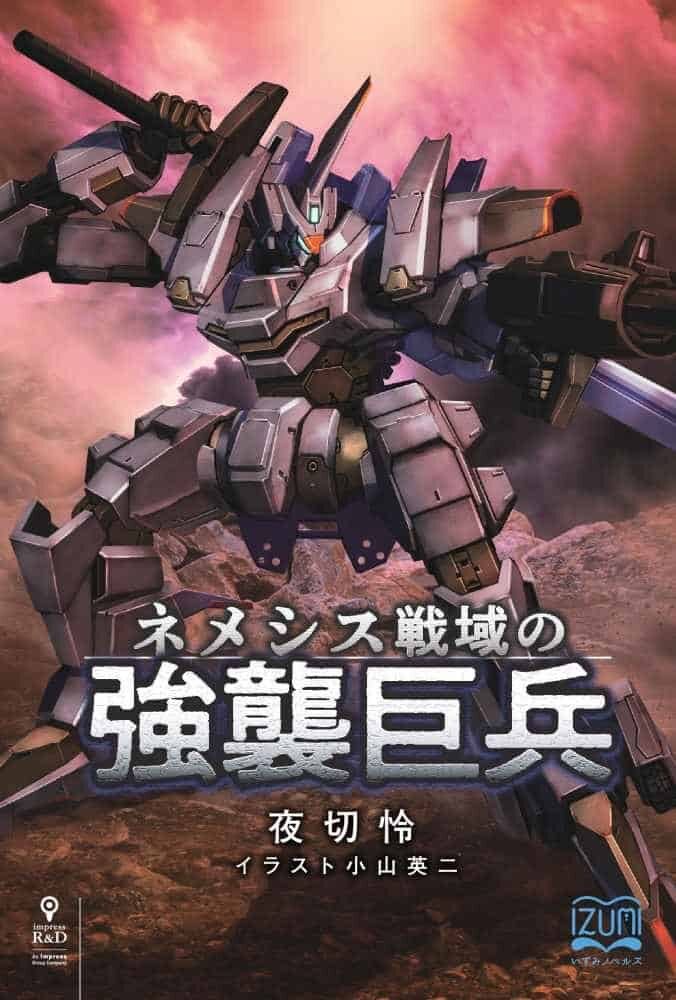
I also appreciated the shift at the end when they actually start moving. After all that talking, they get into the Silhouette and start traversing the wasteland. The pacing breathes. And then—BAM—a radio program? In the middle of nowhere? That's the kind of small, unexpected detail that makes the world feel alive. It's not just war and exposition; there's culture persisting.
My only minor gripe: the transition into that sword practice monologue at the very end felt slightly abrupt. One moment they're talking strategy, the next we're deep in Kou's head about iai practice. I get what the author was going for—showing his mindset—but the seam was visible. Still, it worked emotionally. I cared.