Can we just appreciate how much the author says with very little dialogue? The conversations in this batch are deceptively simple but they carry SO much weight.
Take Li Shu and Qingyan discussing the perfume. It's basically two people geeking out over an idea, and it reads exactly like that. 'Yes, yes, the name perfume is good' — this woman sounds like a real person, not a plot device. Her excitement is infectious. And Qingyan's pitch to sell at the Lantern Festival? That's not dialogue, that's pure character. He's the restless dreamer, always scheming, always looking ahead.
But the real masterpiece is the Henian-Qingyan exchange at the shop. Almost everything happens through action and subtext:
Qingyan: 'Why didn't you come home? Are you annoyed with me?'
Henian: 'It's not what you think.'
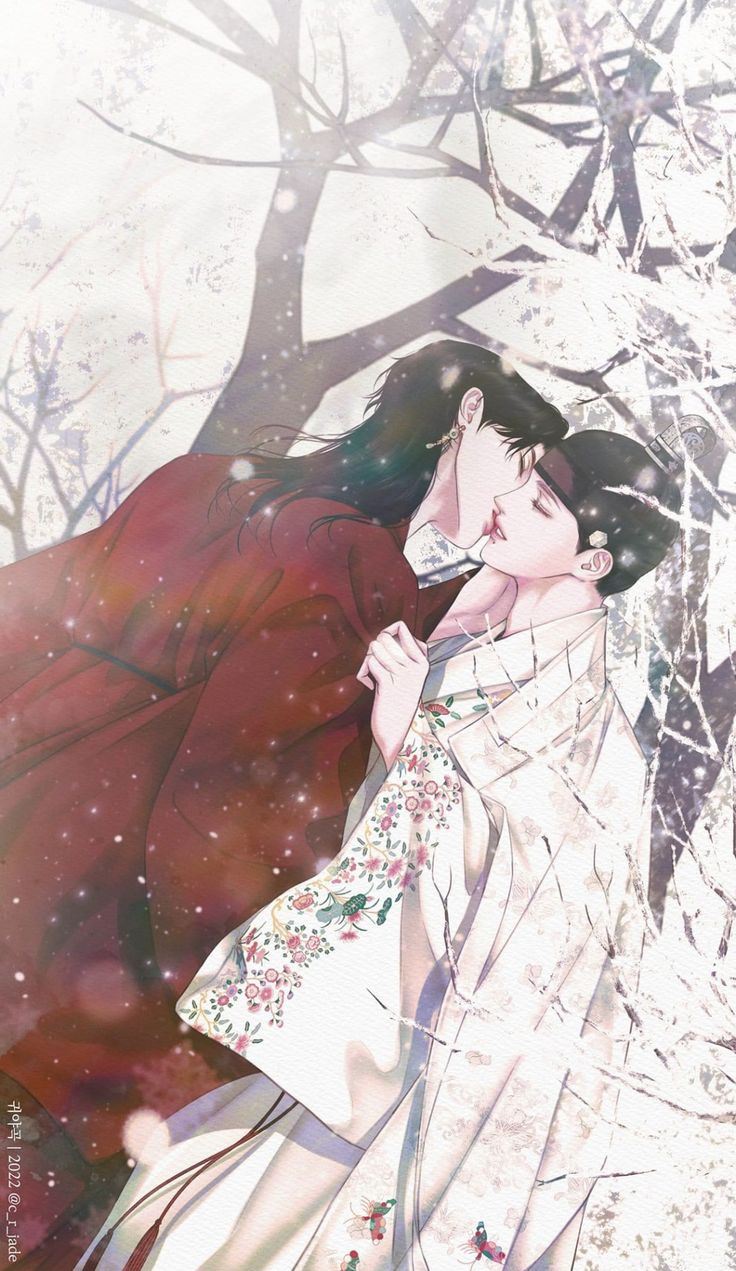
That's it. That's the whole conversation. Henian doesn't explain, doesn't justify, doesn't promise anything. He just... isn't what you think. And Qingyan, in his vulnerability, reaches out and Henian STEPS BACK. The physical rejection of contact because he thinks he's 'dirty' is the kind of thing that stays with you.
'My body is dirty,' Henian says, and you can feel him trying to maintain some boundary even as he's falling apart. Then he abandons that boundary entirely and just hugs Qingyan. 'I'm sorry, it's my fault.' Short. Simple. No grand declaration, no elaborate explanation. Just regret and love and exhaustion all packed into six words.
The narrative voice itself is also worth praising—it's close to Qingyan's perspective almost the entire time, so we feel everything he feels. The prose doesn't get in the way, it just lets the moments breathe.