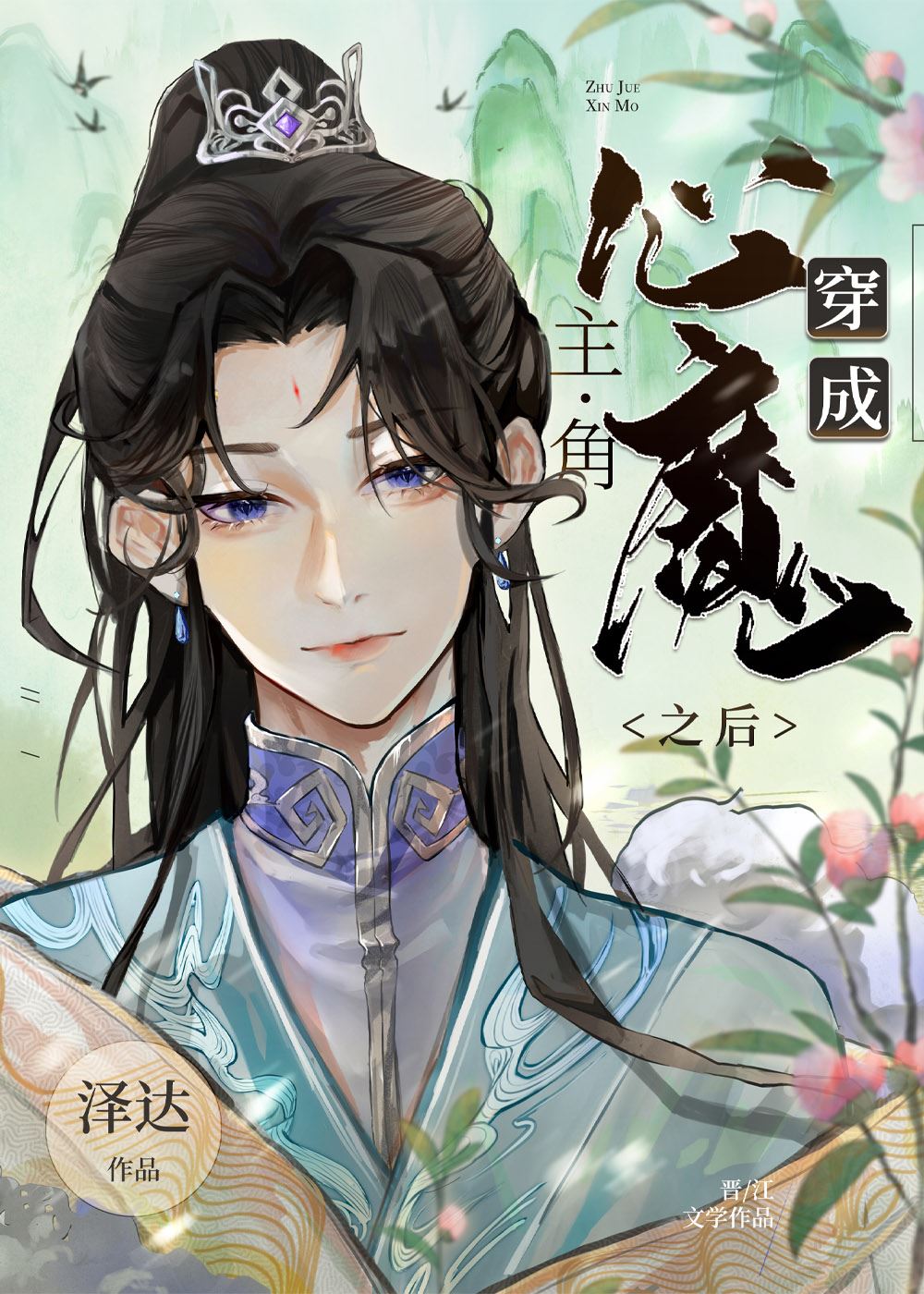
There are two worlds in this chapter and the transition between them is MASTERFUL.
The first world is the competition grounds — loud, crowded, brutal. Teeth grinding, voices rising, the physical spectacle of sword fights and the social theater of families and rivals and expectations. Chu Jinglan moves through this world like a ghost. He watches the matches, delivers his critiques, and the narration explicitly says: "none of it concerned Chu Jinglan. Nor did it concern Xiao Mo." They're physically present but entirely detached.
Then — and this is where the writing really shines — they leave. The crowd fades behind them. Chu Jinglan finds shade under a tree. Xiao Mo pulls out a flute. The noise of the arena is replaced by the awkward attempt at natural beauty.
"Near the competition grounds, there were good spots for outings and enjoying nature." This simple sentence does so much worldbuilding. It tells us this is a cultivation world where competitions have配套的休闲设施, where the elite can step away from the violence of the arena into gardens and shaded groves. It feels lived-in. The world has spaces for both conflict and rest, and the author uses that geography deliberately.
The tree shade scene is deceptively simple but it's the emotional core of the chapter. Fresh air. A book. A flute that sounds terrible. For a moment, the story breathes. And then Chu Jinglan closes his book after three pages and says, "Their matches may be terrible, but at least they don't torture my ears."
The contrast between the two environments — the brutal arena and the attempted peaceful retreat — mirrors the contrast between Chu Jinglan's external world (competitions, family duty, social expectations) and his internal world (loneliness, detachment, the quiet company of his inner demon). The setting isn't just backdrop; it's emotional architecture.