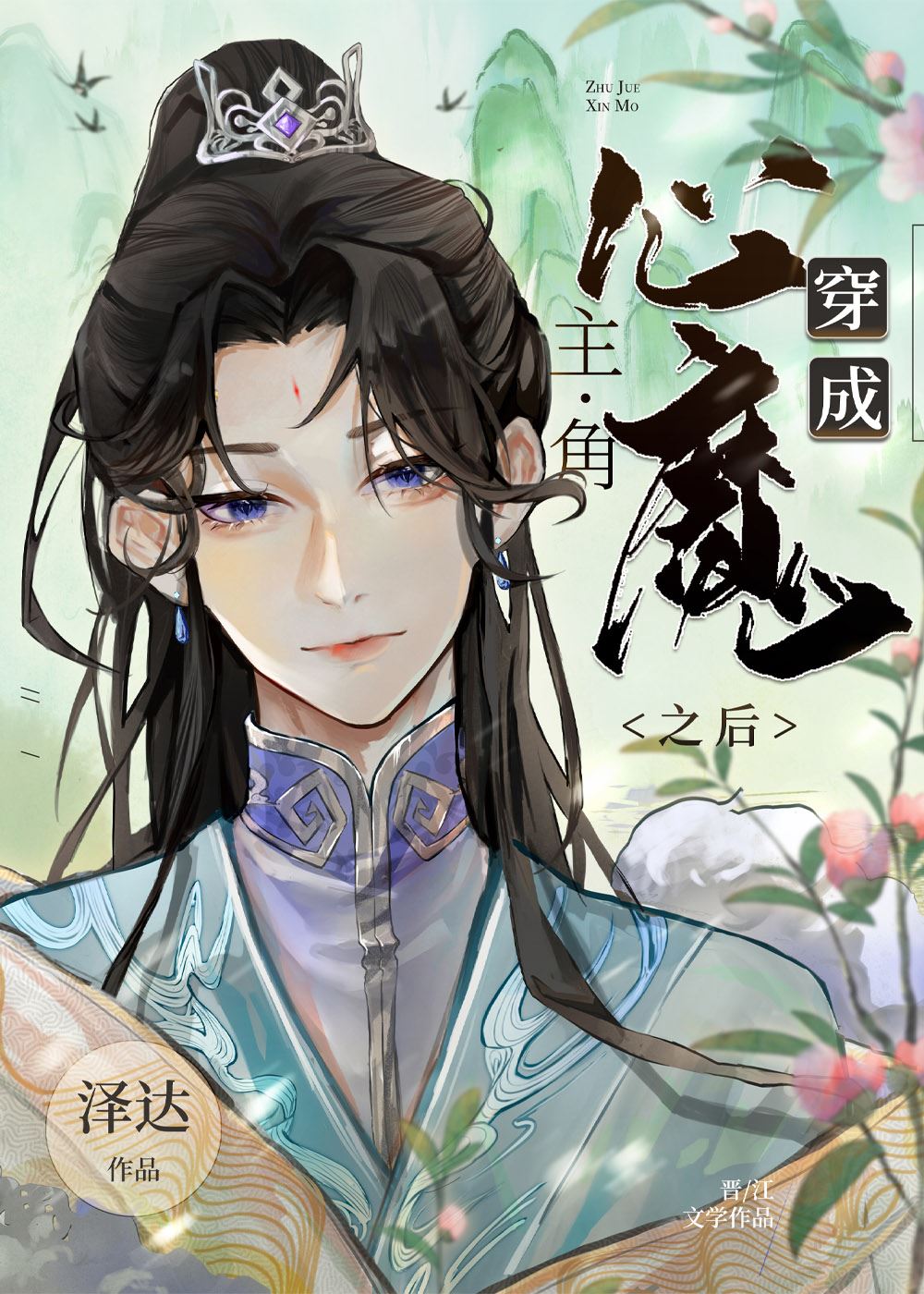
"After all, besides being as cold as ice, he had no other special qualities." This line about Chu Jinglan's body temperature opening the entire chapter like a door, and I couldn't stop thinking about it.
Xiao Mo supporting Chu Jinglan's jaw, feeding him medicine bowl by bowl—that's caretaking as intimacy. Not romantic intimacy initially, but something deeper. The servant holds the bowl while Xiao Mo does the actual work. Physical touch becomes the primary language between them because everything else has been stripped away: Chu Jinglan's cultivation, his status, his agency. In this moment, Xiao Mo is the competent one, the one with hands and warmth and purpose.
And then there's Chu Jinglan. The fever breaks, he wakes, and immediately he's performing—picking up Xiao Mo's fabricated story about the uncle in Wei City without missing a beat. Voice hoarse but delivery smooth. Even at his most vulnerable, he's calculating, adapting, protecting the cover they've built together.
But the moment that wrecked me was the forehead check. Chu Jinglan sleeping with his head on Xiao Mo's shoulder, Xiao Mo reaching out to feel his temperature, and Chu Jinglan's shoulders tensing at the touch before slowly relaxing into it. The text says he 'softly hummed in acknowledgment.' A hum! From a character described as tense as a bow about to snap since Wan Yu's departure! This is someone who has been holding himself together so tightly that any warmth feels almost dangerous, and yet he allows it. He leans into it.
The 'brother' exchange afterward is hilarious on the surface, but read it properly and it's devastating. Chu Jinglan deliberately repeating 'Right, bro-ther?' with that firelight in his eyes—Xiao Mo's bones trembling. For an inner demon who should have no bones, the imagery is perfect. This is someone who has power, who is ancient and formidable, reduced to wanting to burrow into a crack in the ground because his host just said a word with the wrong inflection.
But beneath the comedy is the real relationship: Chu Jinglan admitting, even accidentally, that Xiao Mo is indispensable. When the stranger calls Xiao Mo a 'clever brother' and says 'you should treat your brother well,' Chu Jinglan's response carries 'an inexplicable warmth.' He's not correcting the assumption. He's not distancing himself. He's claiming this fabricated kinship as something real.
And Xiao Mo's internal panic—'Help—I was wrong, please stop calling me that. You can be the older brother, okay?'—isn't just comic relief. It's the panic of someone who arrived intending to stay detached ('his initial resistance and decision to not get involved') and failed spectacularingly. 'After all, the person beside him was flesh and blood, not just a character on paper.' That line? That's the thesis of their entire relationship arc. Xiao Mo came as an observer, a system-guided parasite, and became a witness. A participant. Someone who would rather transform into black mist and hide than face the consequences of this growing, unspoken bond.
The chapter ends with Chu Jinglan's nerves finally loosening. Since Wan Yu left, he's been 'like a bow about to snap.' Xiao Mo is the only release valve. Not romantically declared, not even consciously acknowledged, but factually true. One holds the other together without either fully understanding why.