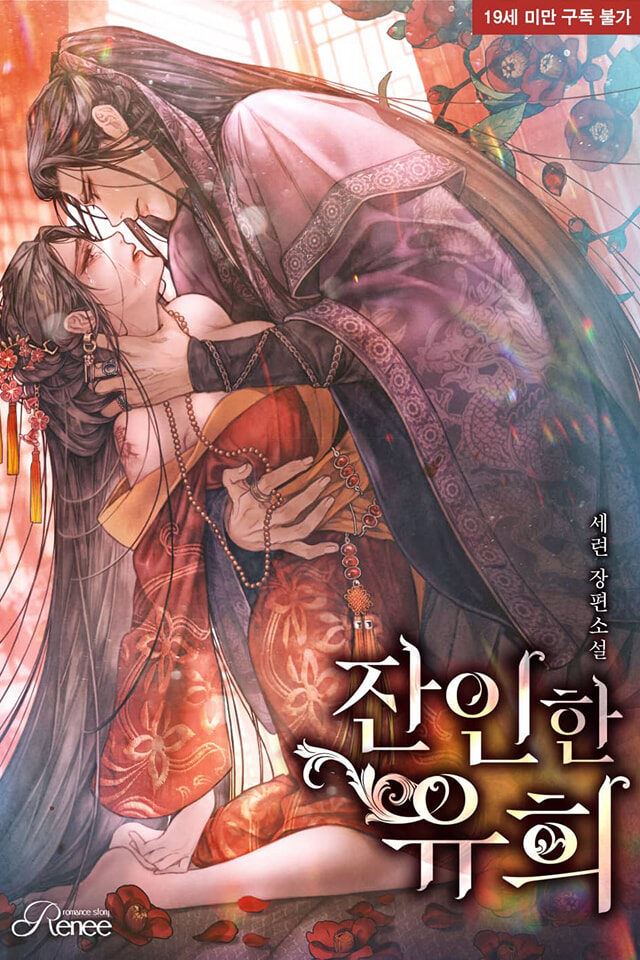
I'm still not over the physical space between these two characters. Let me just say it again because it's that important: she reached out her hand toward him in the dark, trembling, desperate for some kind of contact, and he stepped BACK. Not away in fear—away in refusal. He made it clear that her instinctive reach was beneath him, that her "lowly body" shouldn't dare covet him. And yet he's the one who bought her. He's the one in the room. He's the one who ordered the veil placed over her eyes specifically so she couldn't see him.
The stakes here are layered in the most painful way. On the surface, Gayu's life is on the line—she's a government slave, her family is disgraced, her half-sister is dead, and she's about to be sold for the first time. But the deeper stakes are about identity and power. Who is she now? Who was she before? Who is this man, and why does his voice make her heart stop? What happened between them that she was practicing cruel words to throw at him over, and what happened to reverse those roles so completely?
The internal conflict is what killed me though. She's terrified—not just of what will happen in this room, but of the possibility that he might disappear again. That's the real stake. Not her body, not her pride, but the agonizing uncertainty of whether the person she's holding onto will remain visible or vanish like moonlight through fabric. She has to survive, yes, but survival means enduring this man who speaks those exact words she memorized, who treats her with the coldness she once imagined showing him, while she stands there blind and trembling and wishing more than anything that she could see his face.
The external conflict is clear: she's a traitor's daughter in a house that despises her, about to be used by a man whose identity she doesn't know. But the INTERNAL conflict—her inability to let go, her refusal to die even when everything tells her to, her desperate need to see ONE person before she goes—is what makes me care about whether she survives any of this.