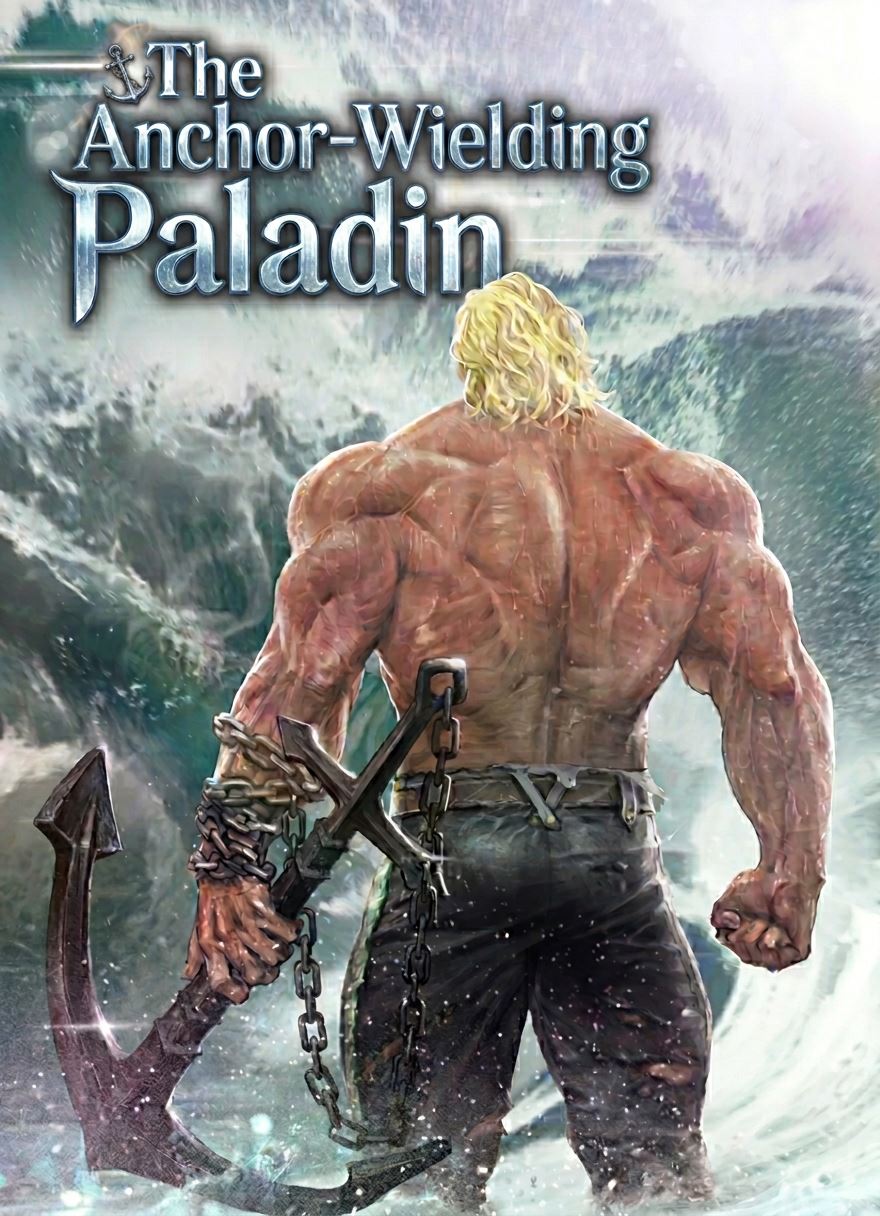
There are so many symbolic layers in this section that I keep finding new ones every time I reread it. Let me try to untangle at least a few.
The JAR. This is the central symbol and it is devastating in its simplicity. Quiella doesn't have a cathedral. She doesn't have a throne. She lives in a glass vessel worn around Clayton's neck like a pendant. This is a god reduced to something portable, something carried, something almost trivial — and yet her influence grows to encompass an entire empire. The jar is simultaneously a prison and a vessel, a container and a well. And that water inside it — which turns BLACK even under sunlight — represents the depth of the sea, the depth of Quiella's nature, and the depth of human suffering all at once.
Quiella's name itself means something like 'the one who settles the last breath.' She is the goddess of death, of funerals, of insurance payouts after tragedy. And now — in a stroke of symbolic genius — she is rebranding herself as the goddess who 'brings Rest' to the living, not just the dead. The transition from settling the breath of the deceased to settling the breath of monsters from another world is the core thematic movement of this entire passage. Death becomes protection becomes power.
Then there's the SMELL. 'A smell more terrible than any monster, more acrid than the bilge water at the bottom of a ship — the Smell of Crime.' This is such a powerful sensory metaphor. Monsters are physical threats. The Calamity is a cosmic threat. But crime — human predation using human suffering as camouflage — is something else entirely. It's intimate. It's personal. It's the smell of betrayal.
The depth motif recurs everywhere. Clayton looks DOWNWARD into the jar — 'Further downward. To the bottom of the sea...' — and sees the widow's husband drowning. Depth as revelation. Depth as truth. The sea gods all preside over domains connected to water, to drowning, to what lies beneath the surface. And literally and figuratively, the characters are learning to see what's at the bottom.
Finally, the contrast between QUIET faith and NOISY faith. The other gods — Maiashi (prosperity), Dambo-o (aid) — are associated with abundance and comfort. Their worship is easy, pleasant, transactional. Quiella's faith is different. It's born in grief, forged in loss, sustained by people who have nothing left to lose. The theme here is almost biblical: the last shall be first, the mourning shall be comforted, the weak shall inherit the earth. But it's dressed in sea salt and monster blood and a young man who carries his goddess in a jar and still finds the strength to hug strangers.
This story isn't really about monsters. It's about who people turn to when everything falls apart — and what those people become in the turning.