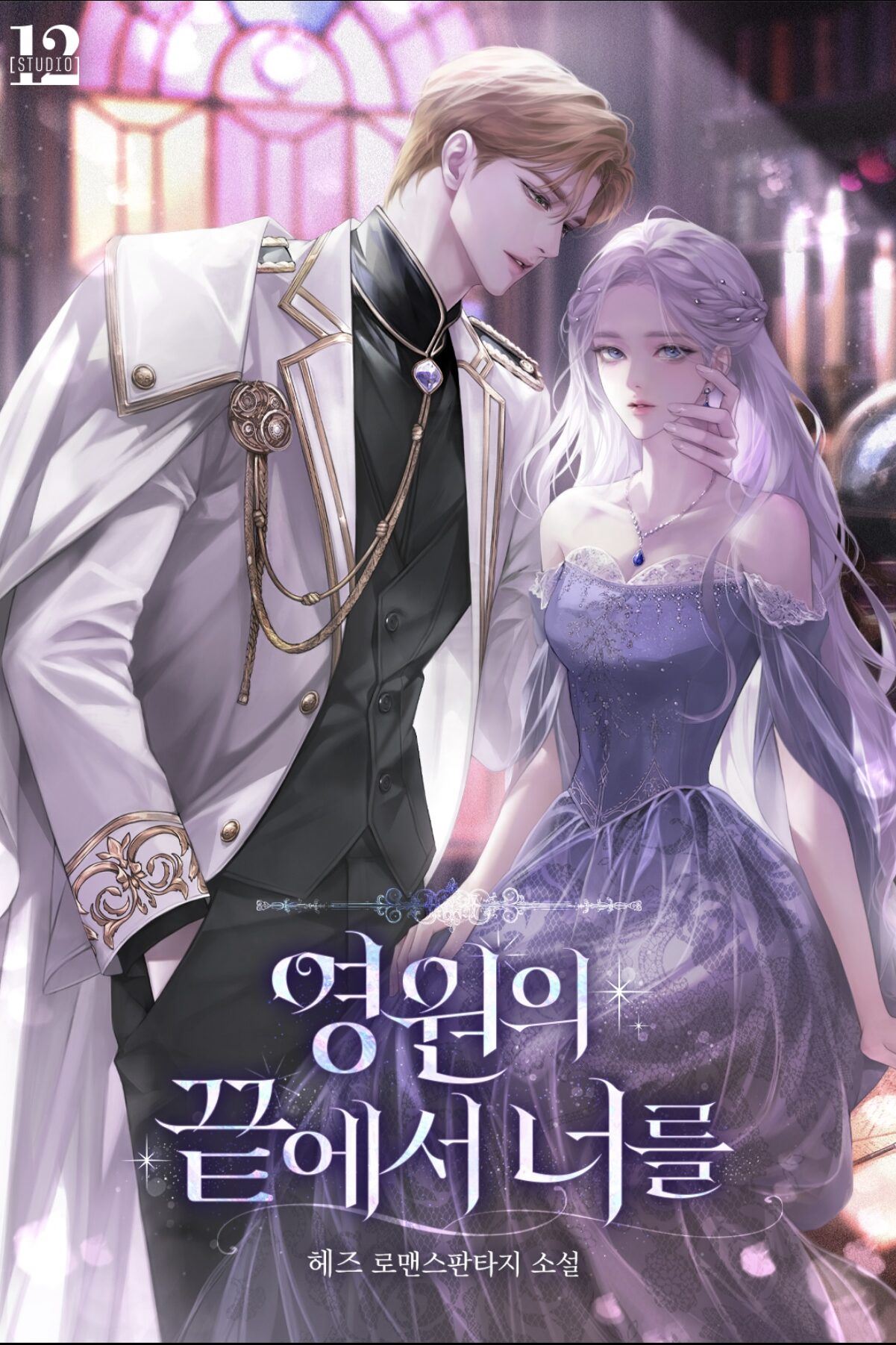
There's a symbol running through these chapters that I can't stop thinking about: silver. It's everywhere. Lynette's hair is silver. Her dress is silver, embroidered with silver threads on satin that looks like moonlight. The chandeliers cast silver waves across the marble floor. The Duke's badge on Carlisle's chest is silver. Even the moonlight in the corridor is silver. And Lynette's eyes are blue—the color of cold steel. The author has constructed an entire palette of silver and blue, and it's not decorative. It's thematic.
Silver is the color of moons, of night, of mirrors, of weapons. It reflects but doesn't emit its own light. It's beautiful but cold. And Lynette IS silver. She reflects everyone else's expectations—her father's, society's, Carlisle's, even Elaine's. She's polished to shine for others while staying frozen inside. The forced smile is her silver surface: gleaming, perfect, utterly artificial.
But there's another symbol I want to talk about—the mask. Lynette's entire existence at this banquet is performance. 'She wore a smile, as always, forced.' Forced. She repeats this to herself: 'It's okay. I can do this. It's not that difficult.' She's acting. And when her father attacks her, she doesn't break character until she's alone in the dark corridor, where even that protection fails. The ballroom is a stage where she plays the dutiful daughter, the composed lady, the loyal friend to Eris. But the corridor is reality, and reality has no audience, no script, no survival strategy.
The silver dress that Eris chose for her is also significant. Eris—the innocent one, the future Crown Princess, the greenhouse flower—picked that dress. Eris, who has never known cruelty, chose armor for Lynette. There's tragic irony in that. The one person who represents purity and light is the one who clothed Lynette in moonlight and metal.
And then the Duke's words about her being born a woman rather than a man—this ties into the larger theme of gender and power. Lynette is trapped not just by her father's abuse but by a system that tells her she's worthless because she wasn't born to inherit, to rule, to wield authority. She can only survive through performance, through submission, through silence. The silver threads in her dress are beautiful, but they're also bindings. She's adorned, but she's also bound.