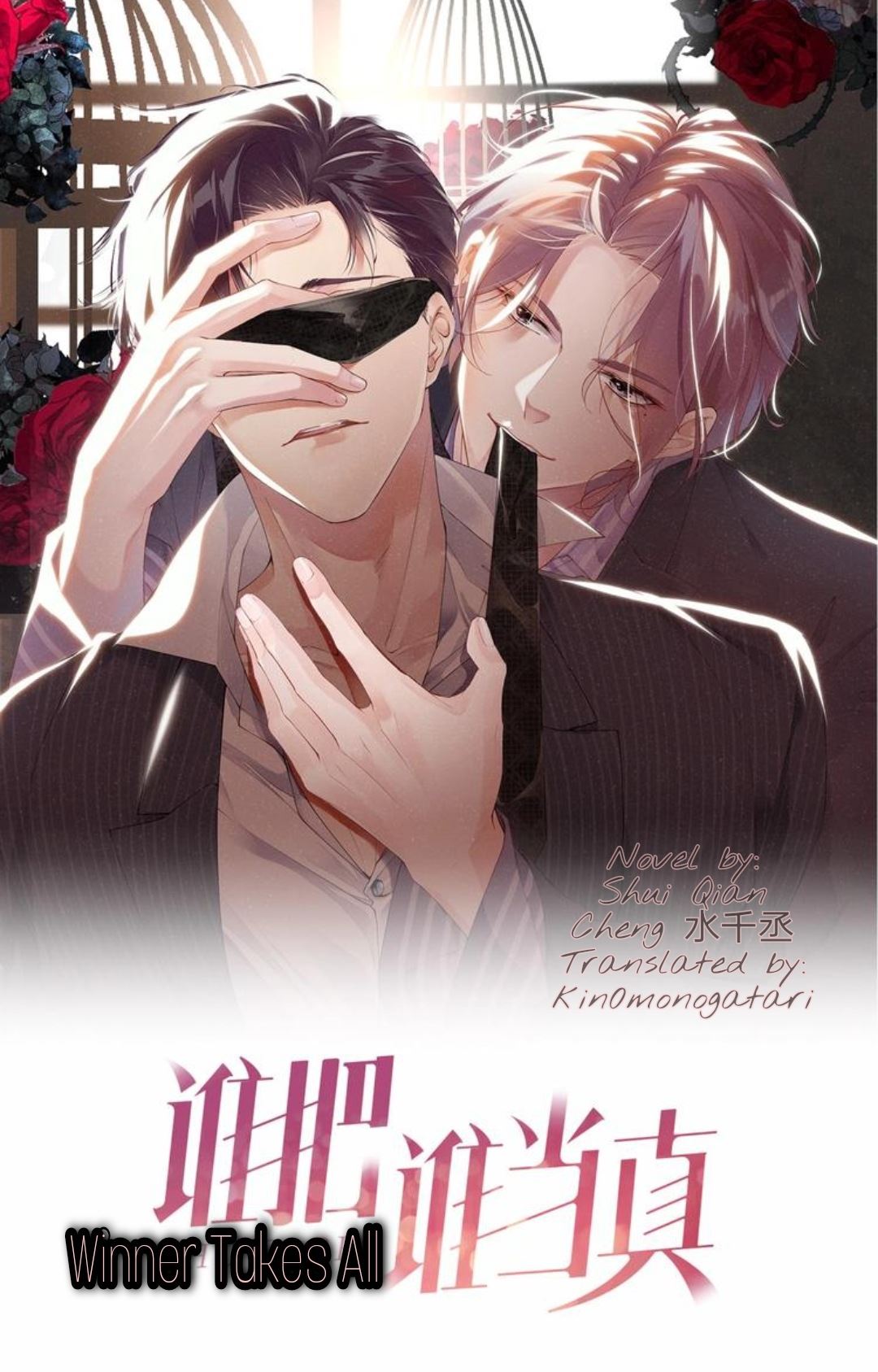
I want to talk about how the stakes in this chapter just escalated from 'will they won't they' to actual existential territory for both characters, and why it works so well.
On the surface, the external conflict is simple: Zhao Jinxin wants a relationship, Li Shuo is resisting. But the internal conflict is where it gets good. Li Shuo has spent his whole life building walls—professional success, emotional distance, a carefully managed reputation. Every time someone gets too close, he finds a way to push them away. That's what the Li Chengxiu and Han Feiye references are really about. Those aren't just names; they're evidence of a pattern, and Zhao Jinxin just laid it all out in front of him.
The stakes here are enormous because if Li Shuo lets Zhao Jinxin in, he has to dismantle everything he's built. He has to risk being vulnerable, being seen, being hurt. And if he pushes Zhao Jinxin away again, he loses something he may not even realize he wanted. That's the real tension—not whether they'll end up together, but what it will cost each of them to get there.
Zhao Jinxin's stakes are different but equally high. He's been confessing for a long time, and every rejection chips away at his self-worth. The fact that he's still showing up with rose petals despite all those rejections says something powerful about his character—he's either incredibly brave or dangerously stubborn, probably both. But the danger is real. If Li Shuo rejects him this time, after this level of effort and vulnerability, there may not be a next time.
The physical stakes add another layer—Li Shuo is literally sick, weak, unable to physically escape the situation. He's trapped in his own body, and Zhao Jinxin knows it. That power imbalance creates genuine discomfort for the reader, which is exactly what good conflict should do. We care because we're worried—worried for Li Shuo's emotional wellbeing, worried that Zhao Jinxin's persistence might cross from romantic into coercive, worried about what happens when the rose petals start wilting.