What to Do with a Pair of Kittens - Reviews

What to Do with a Pair of Kittens
+Add to Custom List
Sort
Add review
... Read More
Can we just take a moment to appreciate the VISUAL WRITING in this chapter because it is NO JOKE. Qin Heling's entrance alone deserves its own essay. "Crimson trench coat, voluminous curls, black tailored trousers, glossy leather heels." That is a FULL OUTFIT DESCRIPTION that tells you everything about her character in three sentences. She walks onto a busy film set like she owns the place, sunglasses on, until she spots Song Yu and her whole face transforms into "a sweet, girlish smile — like a young woman seeing her first love." ONE MOMENT SHE'S AN UNAPPROACHABLE BOSS BABE AND THE NEXT SHE'S GUSHING. The contrast is everything. Then there's the set atmosphere — the Pisces girls (staff members, apparently) desperately wanting to post about the upcoming kiss scene but being professionally restrained. "Prepare your heart meds!" is the tweet they DON'T send. You can literally feel the tension of a film set where everyone knows something is about to happen and nobody can say anything. The assistant director holding an actual meeting to stress the importance of the kiss scene — this is the kind of bureaucratic detail that makes the world feel REAL. It's not just a romantic backdrop, it's a working environment with rules and pressures and people trying to manage their crushes professionally. The dressing room scene — shut door, fruit on the coffee table, a banana as both a comedic prop and a metaphor. That's the kind of specific, grounded detail that transforms a generic romance setting into somewhere that feels lived-in. You can picture the space. You can imagine the snacks, the chairs, the half-open curtains. And earlier, the nod to the entertainment industry's hierarchy — Zhao Hua going from top manager to whoever-comes-last, Xingyue collapsed and unemployable, the way one wrong move erases your career. This isn't just background flavor; it's a fully realized ecosystem where fame is fragile and power shifts overnight. The author doesn't lecturingly explain the industry, just shows us through Zhao Hua's regret and Fu Yuqian's cold warning: "I will make you regret being born." The film set as a pressure cooker — everyone watching, everyone performing, the gap between what's real and what's filmed blurring until Song Yu and Fu Yuqian can barely tell the difference themselves.
... Read More
I've been turning something over in my head since I finished this chapter, and I think it's the central theme the author is building toward: the relationship between authenticity and performance. Every major element in this chapter plays with that idea. The kiss scene itself — Song Yu and Fu Yuqian have been practicing kisses in private so intensely that the actual filmed version becomes almost secondary. When Fu Yuqian says "Haven't we practiced plenty of times in private already? Still not used to it?" he's pointing out that their real intimacy has made the professional performance feel artificial. But then the banana scene happens — and suddenly Song Yu is USING that private intimacy as a weapon, a joke, a way to assert control. The private becomes public-adjacent, the personal becomes political. The hidden relationship mirrors the entire entertainment industry. Everyone is performing — the crew performing professionalism while internally screaming, the industry performing meritocracy while running on connections and money, Song Yu performing straight while being very much not straight. Even Fu Yuqian's famous coldness is partly performance, partly genuine, and the reader can't always tell which is which. Then there's the historical drama subplot — the director spent five years trying to make "authentic" history on screen, but the market forced him to compromise. How many productions wearing the label of historical drama are actually just modern romcoms in costumes? This feels like a direct commentary on the entertainment industry itself, and by extension, on the novel we're reading. Is this story "authentically" about love and identity, or is it a genre piece doing what the market demands? The cat ability is another layer — Song Yu's heightened reflexes let him see the world in "0.75x speed," giving him an advantage that's literally built into his body. But it's also a metaphor: he sees through the performances around him faster than anyone else because he perceives reality differently. The Pro esports player noticing this and asking if he'd go pro — recognizing raw ability beneath the constructed image. And the three wasted years? That's the cost of performance. Every moment Fu Yuqian spent waiting was a moment neither of them could be fully honest. The theme isn't just "love conquers all" — it's "what does love cost when the world won't let you be real?"
... Read More
The structure of these chapters is genuinely masterful. Let me trace it quickly because it's too good not to appreciate. It opens IN MEDIAS RES with Song Yu as a cat overhearing that his human body is in a coma. Immediate stakes. Immediate panic. Then —comic relief via the teaser scene. Not just filler, either, because it also advances the plot (Fu Yuqian is distracted, making the phone call). Then the Ying Qi subplot drops in with real information about the agency's horrifying priorities. Then Fu Yuqian's infiltration plan. Then the "Mom" moment. Then LOCKED IN A CAGE. The author knows exactly when to ramp tension and when to let the reader breathe. The hospital scene is pure anxiety — Song Yu can't get in, can't reach his body, his agency might abandon him. Then the playful scene lets you exhale. Then the phone call brings the tension back at a higher level (surgey needed?? agency prioritizing image over LIFE). Then the infiltration setup creates forward momentum. And the chapter ENDS with Song Yu trapped, furious, and suddenly armed with potential ammunition about Fu Yuqian's love life. That last beat is the real genius move though. The author could've ended on the cage door closing and been satisfied. Instead, they gave us this pivot where Song Yu's frustration transforms into something ELSE entirely — a discovery, a leverage point. It's the kind of structural choice that makes you immediately want to flip to the next chapter. The pacing never drags. Not once. Every paragraph is either advancing the plot, building character, or doing both simultaneously.
... Read More
The atmosphere in these chapters is absolutely *chef's kiss*. Let me paint you the picture: First, the breakfast scene. Five in the morning. Crab roe soup dumplings. Low salt for Song Yu's portion. The fact that Fu Yuqian is up at dawn kneading dough and steaming food at Song Yu's house while Song Yu is basically a cat who still has to use a litter box — the domestic absurdity is unreal and I am here for it. Then there's the mother watching her son use the litter box with what can only be described as maternal curiosity. Song Yu pressing the switch angrily shutting the door while internally screaming. Song's mom patting his head saying Even my Xiaoyu going potty is adorable. I wheezed. But the scene that really lives in my head? The afternoon sunlight streaming into the well-lit living room. The warm, quiet mood between them after the roses have been placed. Fu Yuqian asking can I hold you for a moment? with dark circles under his eyes from lack of sleep. The way the author builds this entire world through small sensory details — the temperature of the food, the quality of the light, the slight furrow of a brow — instead of big dramatic declarations. The world feels lived-in and real even though one of the main characters is currently a cat.
... Read More
On the surface, this is a scene about an actor teaching another actor. But read it once and you'll spot the real stakes underneath — and they have nothing to do with acting technique. Song Yu is desperate to not be inferior to his rival, period. Even as a cat, his competitive spirit is flaring: he can't let his fans think their idol is worse than Fu Yuqian in any way. That's a surprisingly vulnerable admission wrapped in cat thoughts. Meanwhile, Fu Yuqian — who could just be helping out — is clearly invested in ways that go beyond mentorship. The scene where he guides Song Yu's paw to his shoulder, pulls him into a hug, kisses his head... it reads as affectionate on the surface but the undercurrent is thick enough to cut. And then the ending? Where he imagines Song Yu in cat ears and a tail, looking at him with adoration, and heat stirs in his chest — that's not just romantic tension, that's Fu Yuqian confronting something he can't perform away from. The external conflict (getting back to human form, surviving whatever plot awaits) is always there in the background, but the real drama here is internal. Both of these guys are performing roles — some chosen, some not — and the question hanging over everything is when the act stops and the real feelings show.
... Read More
Let me just say—this author has a real talent for atmosphere, even in what might seem like throwaway worldbuilding details. Take the surveillance camera scene. It's such a small detail, right? Just one line about Fu Yuqian deleting cameras. But it does SO much work. You can literally feel the shift in the environment—from a monitored, controlled space to something intimate and secret. The cameras represent the outside world, the public eye, the professional identities these two men share. Removing them creates a private bubble where normal rules don't apply. Then there's Sheng'an Hospital—described as 'the celebrity clinic,' top-ranked private hospital in Beijing, known for 'excellent environment, top-tier medical care, and strong confidentiality.' This is such a casually dropped detail but it builds an entire world. We're not in a normal hospital system here; we're in a parallel universe where rich celebrities get treated in luxury clinics with military-grade privacy. It feels almost dystopian when you think about it—the idea that medical care is tiered by celebrity status, that some people get 'confidentiality' as a premium feature. And the teahouse scene! This is where the novel starts blending genres. One chapter it's contemporary romance/entertainment industry drama, the next it's like... mystical? Fu Yuqian arrives at a teahouse to meet a 'master'—this figure described with 'light, curved eyebrows and clear tea-brown eyes that seemed to see through everything.' The aesthetic shifts from modern corporate to something almost ancient. The tea ceremony itself becomes a kind of ritual, a bridge between the mundane world of entertainment industry politics and whatever supernatural or mystical elements are about to enter the story. What I love is how these settings aren't just backdrops—they're actively shaping the mood. The locked apartment creates claustrophobia. The luxury hospital creates distance from reality. The teahouse creates a sense of fate and destiny. Every location tells you something about what kind of story you're in.
... Read More
"I wanted to use this chance to change the way he saw me, to make him fall in love with me." Say that again. SAY IT AGAIN. Fu Yuqian just admitted to everything—his manipulation, his scheme, the whole ridiculous plan to turn Song Yu into his cat so he could force proximity and engineer affection. And the worst part? He genuinely meant well. He really did love Song Yu. But loving someone doesn't give you the right to control their body, their identity, their autonomy. What made this scene hit so hard was watching him try to apologize to Song Mama while Song Yu—trapped in Yi Yi's body—sat there hearing every word. He wanted to hold Song Yu. He wanted to comfort him. But "he no longer had the right." That line wrecked me. Fu Yuqian broke the one thing that was fundamentally his to break: trust. And now every good thing he's done—the care, the devotion—feels tainted by the manipulation underneath it. But here's what surprised me: Song Yu's reaction. He didn't even look at Fu Yuqian. Just turned his head away and refused to meet his eyes. Not hatred. Not forgiveness. Just... refusal. That's somehow worse. Song Yu used to trust him completely. Now he can't even face him. How does Fu Yuqian rebuild from THIS? And Yiyi—oh my god, Yiyi. This entity who stole Song Yu's body is now calling himself Daddy and calling Song Yu Mommy. They're literally sharing one mind and the first thing Song Yu teaches the intruder is "scratch Jiaye whenever you see him." I'm dead.
... Read More
I need to talk about Fu Yuqian because this character completely changed how I think about romantic leads in this genre. He's not the典型 aloof CEO type. He's not the toxic boyfriend who slowly redeems himself. He's someone who has been consistently, quietly, relentlessly kind to Song Yu for three years before they were even together. Let me start with what Fu Yuqian planned. The text tells us his strategy: court Song Yu until he turned twenty-two, register on his birthday, go public once they achieved success and won awards. This isn't manipulation — this is someone who understood that Song Yu's career and wellbeing mattered more than his own desire for public recognition. He was willing to be a "secret lover" if that's what it took to protect the person he loved. But here's what really impressed me: Fu Yuqian's actions matched his words completely. When Song Yu was in a coma, he contacted foreign specialists. When others slandered Song Yu, he stood up for him. When Song Yu's agency exploited him, Fu Yuqian set him free with a generous, fair contract. He didn't do any of this for publicity. There was no PR team involved. This is someone whose love language is practical support. The moment on stage when Song Yu blurts out "Don't you always call me baby?" — watch Fu Yuqian's reaction. He's stunned for a few seconds, stares in shock, then his lips lift unconsciously while his eyes turn red. And crucially, his hands — nervously hidden behind his back — are caught clearly on the big screen. The author gives us this intimate physical detail that reveals everything: Fu Yuqian is nervous despite being the more experienced performer. He's overwhelmed by Song Yu's boldness. He's emotional. And he's completely in love. Then he pulls Song Yu into his arms and says "Baby, I love you." That's it. No grand speech from him. Just pure, unfiltered emotional honesty. Later, when he kisses Song Yu on the lips and Song Yu tries to pull away because cheek kisses were his limit, Fu Yuqian isn't being reckless — he's being possessive in a way that shows how comfortable he is claiming this relationship publicly. He's not hiding anymore. Song Yu's character arc in this chapter is equally compelling. He's been practicing this speech countless times in private, which tells us this wasn't a spur-of-the-moment decision. He's been building toward this moment, working through his fears, preparing himself to be vulnerable in front of the world. When he speaks on stage, his voice remains steady even though his eyes are red. He's scared but determined. What makes their dynamic so rich is the balance of power. Fu Yuqian has the wealth, the industry connections, the experience. But Song Yu has the courage. He's the one who takes the microphone and announces everything. He's the one who says "I've done nothing to betray your trust including loving Fu Yuqian" — reframing the supposed transgression as something virtuous. He's the one who appears in the concert video afterward, flirting with fans and making hearts, proving that his identity as an entertainer and his identity as a lover are not in conflict. The supporting characters add incredible depth too. Yin Lang, their manager, complains about his "ancestors" not staying calm but works overnight on PR anyway. This is someone who cares about them despite the chaos. The fan leaders become allies almost instantly — "If he loves Fu Yuqian, then we'll love Fu Yuqian too." This shows how Song Yu's genuine treatment of his fans created a community that would defend him. And Aunt Ling — or Madam He, Fu Yuqian's mother — is the perfect character reveal. She was a fan account that used to diss Fu Yuqian for not being good enough for Song Yu, and now she's posting with a set photo looking elegant enough to be Song Yu's sister. Her Weibo update — "I'm grateful I gave birth to such a good son, one capable of bringing little Yu home" — is both humorous and deeply touching. She's embracing Song Yu fully, and her fairness and generosity (sending gifts, doing giveaways) means Song Yu will never have to worry about mother-in-law problems. The relationship between Fu Yuqian and Song Yu feels earned because the author spent years building it through small details. Cooking, dancing, caring in little ways, standing up during hard times. These aren't dramatic gestures — they're the daily work of loving someone well. And that's what makes their public announcement feel so powerful. It's not the beginning of their love story. It's the public acknowledgment of something that was already real, already deep, already worth protecting.
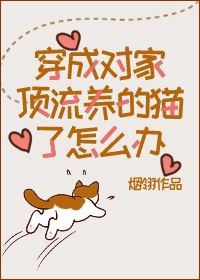
... Read More
"Among the red roses, colorful roses formed the words: Song Yu, my love." That's it. That's the line. The author doesn't describe Fu Yuqian's face or Song Yu's reaction right after—we just get this image of an ocean of flowers spelling out those three words in a hotel room, and my heart absolutely stopped. But what makes this scene work isn't just the visual. It's the contrast with everything that came before. We spent chapters with Song Yu brooding in his room, watching scripts, pretending he didn't care about the bet, pretending Fu Yuqian's behavior didn't affect him. And then suddenly—flowers. A man who was supposed to be a cold emperor type in the historical drama is now literally arranging a rose garden in a hotel corridor to declare his love. The period costume scene earlier also deserves mention. Song Yu in his imperial robes, flawless skin, looking like the Capital's First Young Master, and Fu Yuqian watching him with this hungry gaze thinking about commissioning his own costumes. The description of Song Yu's appearance—"elegant brows and eyes, refined features, graceful bearing"—creates this vivid image that makes you understand exactly why everyone on set is stunned. Even the makeup artist can't find flaws. The visual storytelling throughout this passage is exceptional. And the camera monitor angle—Guo Mao watching from behind it, thinking about whether Song Yu and Fu Yuqian are already living together because of the cat familiarity—that's the author letting us see the outside perspective, the world reacting to these two without saying a word about their actual relationship.
... Read More
The stakes in this arc are weirdly high for something that seems low-key. On the surface, it's just a man adopting a cat, right? Wrong. You've got the shelter's financial survival hanging in the balance until Song Yu's two million yuan donation enters the frame. That's a massive shift in external stakes. Then there's Langzi's deception—who gets hurt? Yiyi's feelings, sure, but also trust itself. When His Majesty forces Langzi to admit the truth, you're watching a moral reckoning play out in cat language. And internally, Song Yu is grappling with his own capacity for empathy. He could've just taken Yiyi and left, but instead he's looking at every abandoned animal and feeling their pain. The conflict between what he wants (to help all cats) and what he can actually do (adopt two, donate money) creates this gentle tension throughout. Then there's the unresolved thread with Fu Yuqian—what happens when he sees Yiyi posted with Song Yu? That's a personal stake brewing. And the fans discovering inconsistencies? That's a mystery subplot that raises the stakes for Song Yu's secret life. Every conflict introduced here has layers, and I'm invested in all of them.
... Read More
I need to address the bullet comment section first because honestly it's doing more heavy lifting than half the actual dialogue in this chapter. "Can the Pisces upstairs stop pushing CPs? It's so annoying." "Sis, why you gotta be so savage—but as soon as you set that flag, I felt like something was definitely gonna happen." These aren't just flavor text. The danmu/scroll comments are a running Greek chorus that has its own personality, its own foreshadowing, its own dramatic irony. The readers watching the livestream within the story are commenting on Song Yu's potential casting while Song Yu himself is standing right there as a cat unable to respond. That's a narrative technique I didn't know I needed but absolutely cannot live without. Now let's talk about Song Yu's actual speech at the press conference. "First of all, I'm honored... Secondly, I'd like to say to all my fans... Lastly, I hope our filming goes smoothly." This man is delivering a formal three-point press statement in MEOWS and the reporters just... stand there. Fu Yuqian literally says "Don't move. Let Yiyi finish." The commitment to the bit from EVERYONE involved is remarkable. The dialogue throughout this chapter is sharply differentiated by character. Fu Yuqian speaks in short, teasing commands with undertones of genuine care. Tang Jiayan gets described rather than heard — he's the beautiful supporting piece, not the voice. Zhu Mingkun is silent, which is itself a statement. The reporters speak in their profession — probing, leading, desperate for gossip. And Song Yu's inner monologue is a chaotic storm of territorial jealousy, lust, and deep affection that occasionally surfaces as actual meows. The author's narrative voice shifts too — from the cold precision of the surveillance subplot to the sweaty, desperate interiority of Song Yu's heat scene to the bright, flashy description of the film set. Each mode has its own rhythm and vocabulary. That's skill.
... Read More
I need to talk about the feline imagery in this batch because it's been sitting in my brain like a heavy stone. Song Yu is described as 'sprawled out like a cat pancake.' He's taking care of someone who acts like a cat. And earlier in the series, we learned something about turning into a cat—Fu Yuqian found something in a drawer on the first day Song Yu turned into one. There's something *transformational* happening here that the story hasn't fully explained yet. But let me zoom out. What is this chapter really about, underneath the romance? I think it's about recognition. Ying Qi has spent his whole life being the caretaker—the doctor who wants to help, the person who remembers allergies, who cleans up, who makes dumplings. And Fu Yuting, in his own domineering way, finally *sees* him. Not as a little brother figure, not as Yuqian's friend, but as someone worthy of a direct, unambiguous declaration. The kiss itself is almost secondary to what it represents—a moment where the ambiguity that's defined their relationship for so long finally collapses into something real. 'If you don't find it repulsive, then be with me.' That's not just a romantic line. That's someone asking to be known, fully and without pretense. And honestly, isn't that what every good story is really building toward?

Leave a comment

You must be logged in to leave comments. or
