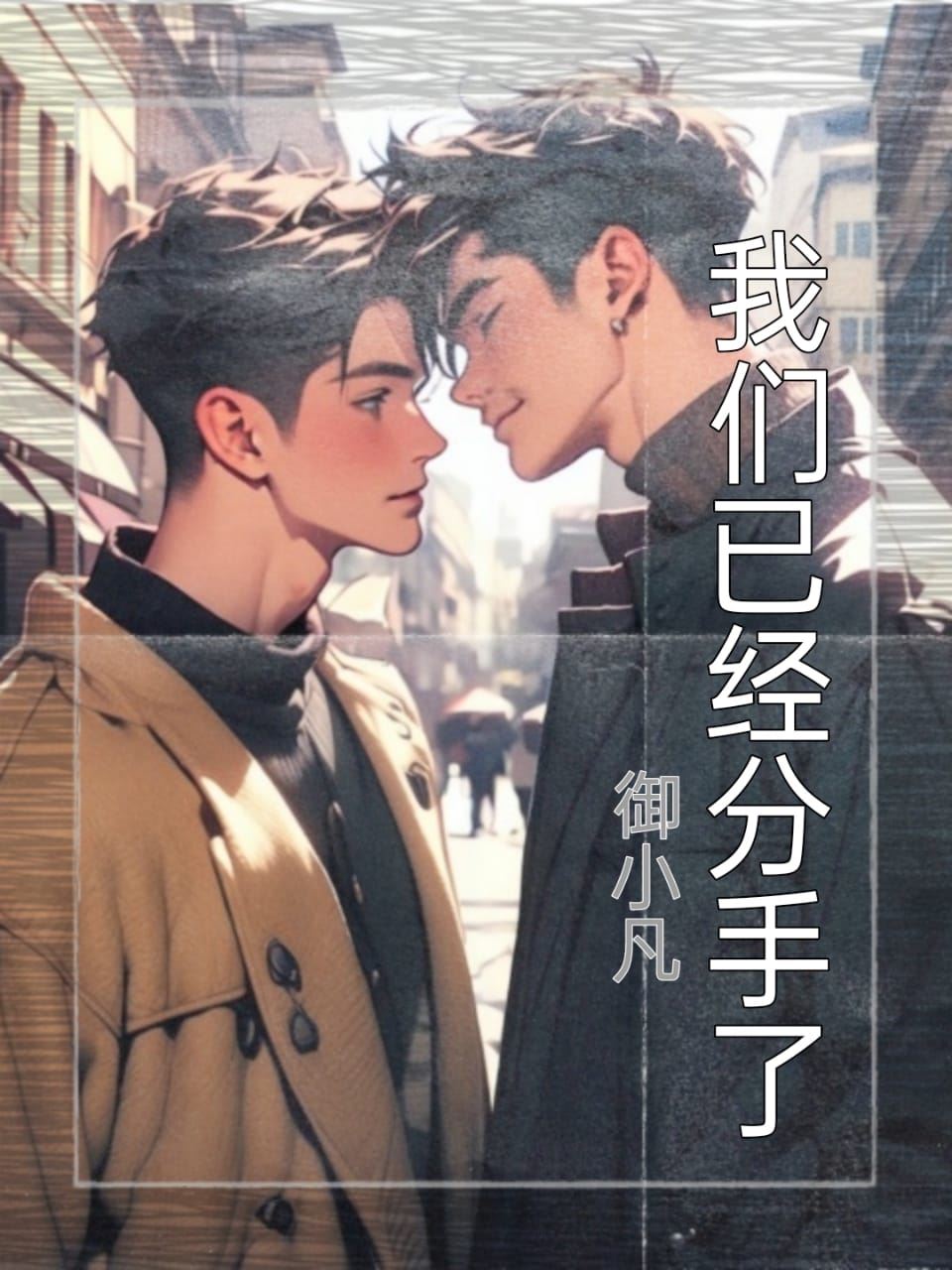
Let's be clear about what's at stake here. This isn't a story about physical danger or external villains. The conflict is internal, generational, and the threat is existential: the erasure of a chosen life. Chen Qian's father represents a world where certain truths are unspeakable, where love must be formatted to fit inherited boxes. The “biggest deal” Chen Qian faces isn't anger—it's conditional acceptance, the slow suffocation of having to negotiate his validity.
Liu Fan's stakes are different but equal. He's not risking family rejection; he's risking irrelevance. His role is support, witness, patience. But patience has limits. Watch how he calculates: “I was a bit worried that Chen Qian might lose his temper after a few words upstairs.” He's tracking micro-signals, interpreting silences, managing anxiety so his partner doesn't have to. The emotional labor is invisible but crushing.
The father-son tension operates on a delay. We don't see Chen Chong's outbursts; we see their aftermath in Zhao Rou's careful phrasing, in Chen Qian's softened tone, in the months-long preparation. The conflict is archived, studied, strategized against. That's what makes it terrifying—it's not a fight you survive in an hour; it's a war you fight across years, in increments of courage.
And Liu Fan's vigil in the car? That's the ultimate stake visualization. He's not inside the house because his presence could destabilize the fragile truce. His love requires self-erasure to protect the relationship. But when Chen Qian finally emerges and pulls him into a hug, the stakes shift—the sacrifice is witnessed, the love is reaffirmed. The tension isn't whether they'll break; it's whether the breaking will cost them everything they've built. So far, they're standing on the edge, choosing to look away rather than fall.