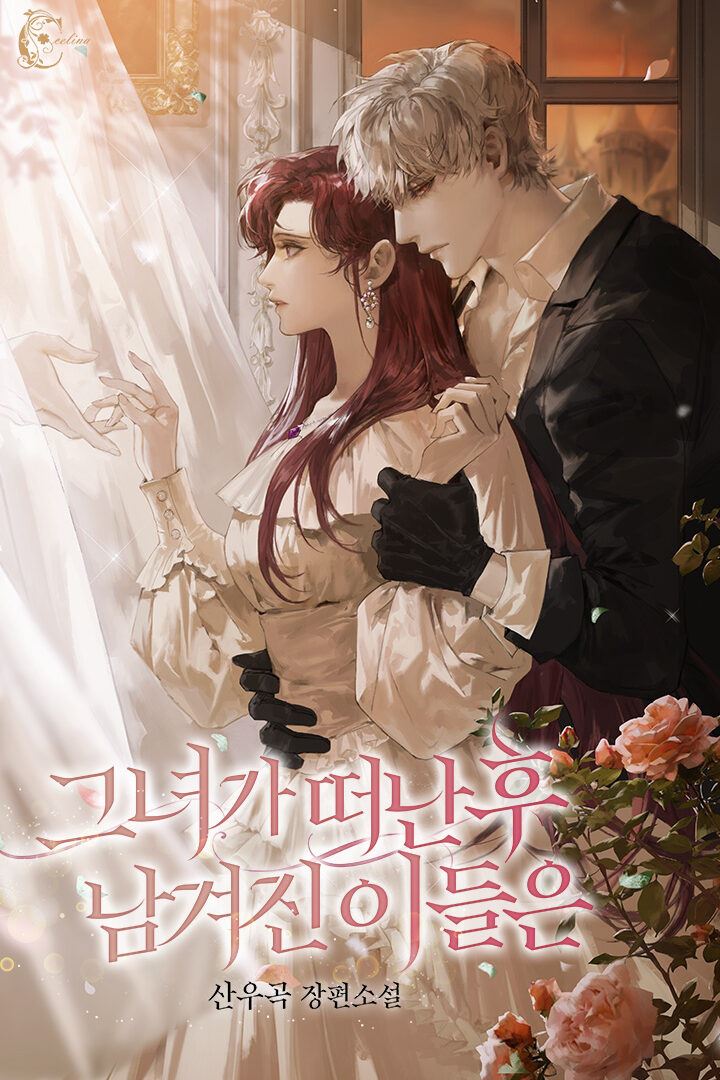
I need to appreciate the atmospheric writing here because it is PERFECTION.
The funeral scene opens with Vincent glancing sideways at Laila in her gloomy black mourning clothes, reaching into his inner pocket for a cigarette pack, then thinking it improper and shoving it back in. That tiny gesture—hesitating at a funeral because of social expectation—is such a loaded detail. This is a man who has never cared about propriety, forced into a role where even his smoking is policed.
"Drip, drip. The sky was heavy with clouds. Cold air pressed in, and rain began to fall, dampening one side of his shoulder. His ash-gray hair grew wet, but he paid it no mind. Calmly, he lit a cigarette."
This is cinematic. This is literally a film frame. Rain, grey sky, a man in black standing apart from the mourners, finally allowing himself that cigarette. The author writes: "Vincent's red eyes grew deeply heavy. He had lost his parents at fifteen."
In THREE SENTENCES we go from a wedding night to a funeral to a childhood trauma. The season passage—"Spring came, then summer, and soon autumn arrived"—is one line but it does so much work. It tells us a year has passed, their marriage has settled into this weird routine, and Vincent is still completely lost about what this woman means to him.
Then the final image: Laila standing outside in the rain, drenched, in thin indoor clothes, gazing up at the sky with absent eyes. Vincent approaching her through the downpour, hot anger rising in his chest, the raindrops falling and extinguishing his cigarette. The fog outside, the grey sky, the rain—it all mirrors the emotional weather between these two. They are both drowning and neither will admit it.