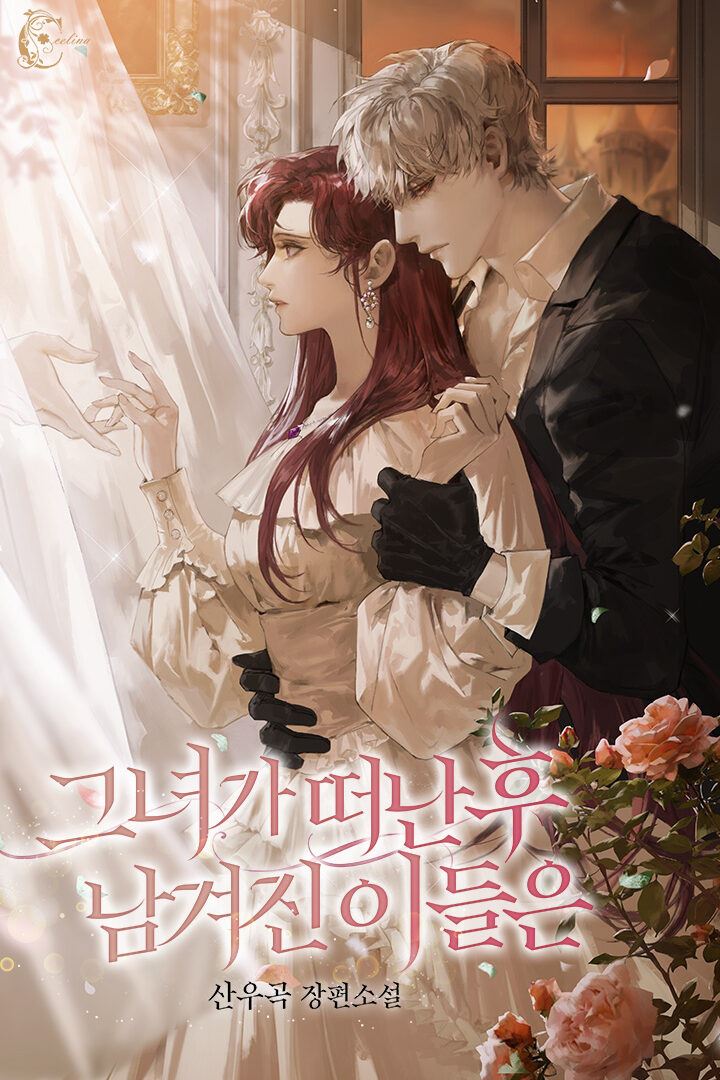
I need to talk about the pacing in these chapters because the author has mastered the art of controlled chaos. The opening drops us into media res—already in the middle of a social gathering, already tense, already surrounded by talking heads. Within three paragraphs we've got Rosenta's entrance, which instantly shifts the power dynamics. The transition from social comedy to emotional drama happens almost without warning, which is exactly the right choice. This isn't a story that needs gentle ramps—it needs sudden drops. The ballroom scene moves at a breakneck pace: Rosenta appears, touches Vincent, Vincent rejects her physically, wine gets thrown, Laila appears, Vincent panics, public confrontation ensues. All of this happens in roughly 800 words and it feels breathless in the best way. Then—abrupt cut to night, to silence, to Laila alone in the dark. That pacing shift is everything. The author deliberately decelerates from chaotic social energy to isolated vulnerability, and the contrast makes both scenes hit harder. Ethan's entrance is handled with the same economy. We learn who he is, what he feels, and what happens next in a sequence that never lingers too long on any single moment. The dawn scene at Hedwell's is even more interesting from a pacing perspective. Vincent waking up drunk on someone else's floor is inherently comedic, but it's played straight—which creates this weird tonal friction that keeps the passage from becoming purely dramatic or purely farcical. The final paragraph returns to the estate with that fragmented dialogue ('Yesterday was your...') and the pacing immediately tightens again. Every scene transition is a gear shift, and none of them feel random.