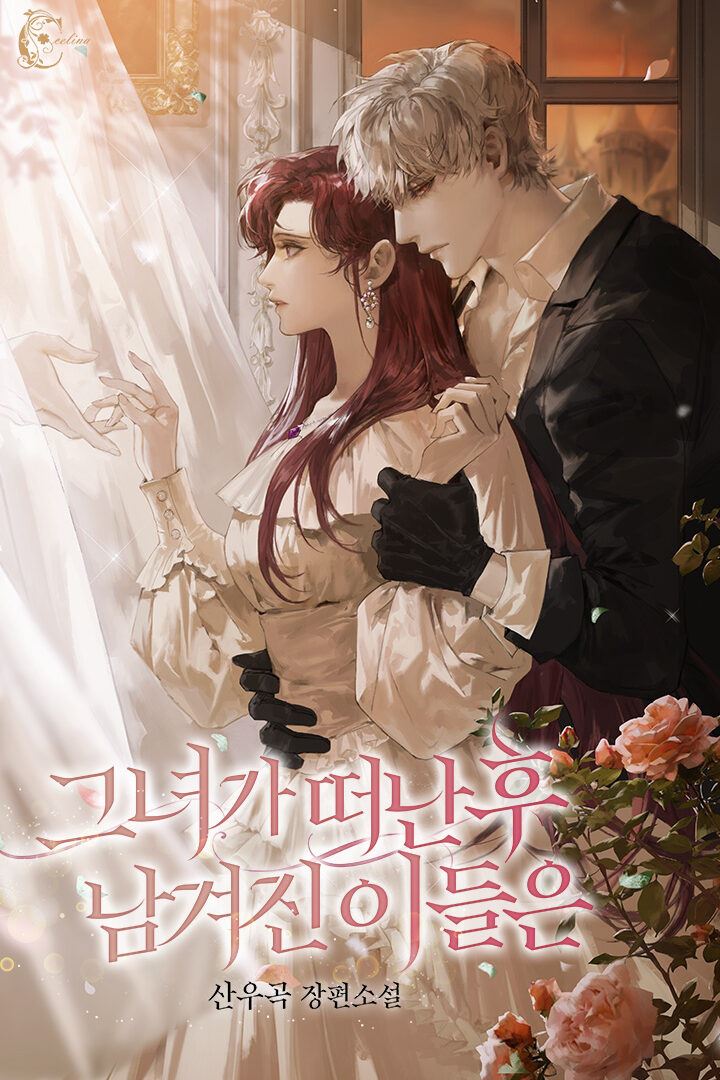
This entire sequence is about Vincent's sudden, violent realization that he doesn't actually know Laila. Think about it—he's been married for a year, and in one afternoon, three things shatter his understanding of their marriage at once. First, she smiled at Eugene the way she rarely smiles at him. Second, she physically stepped in front of another man to protect him from Vincent's hostility. Third, she did all of this while maintaining this glacial, composed calm that somehow made Vincent's jealousy feel even more pathetic.
What I find absolutely fascinating is the power dynamic inversion. Vincent is the Duke, imperial blood, the head of a great house. He should be untouchable. But every time he tries to exert dominance—cutting her off, sneering at Eugene, walking out—he ends up looking like the one who lost control. Meanwhile, Laila barely raises her voice. She doesn't need to. Her quiet act of shielding Eugene speaks volumes about where her loyalties actually lie.
And Eugene! Oh, this boy is written with such careful tenderness. He's a commoner who came with her from her family home, yes, but the text makes it clear this isn't romantic. Eugene is gratitude personified—he owes Laila his life, his dignity, his very future. That backstory about the debt collectors, the slums, the miracle of finding that medical text? It transforms him from "rival" into someone genuinely devoted. When he says "I should be the one thanking you," it hits like a knife because we understand the depth of what she did for him.
But here's what really gets me—the unspoken history between Laila and Eugene. A year ago, she saved him. She believed in his worth when no one else did. And now she's married to Vincent, a man who smokes in a house where his wife suffers from tinnitus, who calls people "mediocre" without knowing them, who can't even recognize the woman sleeping beside him. The contrast is brutal.