There’s a Beauty [Ancient Wear Modern] - Reviews

There’s a Beauty [Ancient Wear Modern]
+Add to Custom List
Sort
Add review
... Read More
Okay so let me just say — this excerpt had me doing double takes left and right. On the surface it reads like a sweet slice-of-life romance where a sheltered husband gets dropped off at art class by his billionaire spouse. Cute. Wholesome. But then the narration sneaks in these little gut-punches that completely recontextualize everything. The first major red flag hits when we learn Shen Yuhan's phone "broke after falling into the water." His excuse is smooth — too smooth. The narrator literally tells us this is "Shen Yuhan's careful maneuver" and that he wouldn't know how to use a phone anyway even if he had one. Who is this person? What kind of life did they live before? The fact that the narrator knows this internal monologue but Shan Qihuan doesn't means we're reading from a position of dramatic irony — we know more than the trusting husband. Then there's the chilling line: "Among the few people he knew, Shan Qihuan was the closest person to Shen Yuhan." Closest? Not the only one. The phrasing implies there were others before — presumably the "狐朋狗友" his husband mockingly references. And later Shen Yuhan thinks "Those were all friends of 'Shen Yuhan'" — note the quotation marks in the narration. As if the name itself is a costume he's wearing. The plot structure here is doing heavy lifting. We have a seemingly mundane scene (drop-off at class) that gradually reveals layers of deception. The pacing is masterful — it starts cozy with the dog conversation, dips into discomfort with the gloomy training center, and then lands these narrative bombs about identity and manufactured relationships. By the time the calligraphy teacher walks in, I had zero idea who any of these people really were.
... Read More
There's a symbol hiding in plain sight right at the beginning of this passage, and I need to talk about it because it's too perfect to ignore. The golden retriever. Shen Yuhan sees this big, docile dog and immediately wants to keep it. The response is telling: "they are used as guide dogs for blind people, which you are not." On one level, this is just practical worldbuilding about why you can't adopt a service dog. But thematically? The parallel is almost obscene. A golden retriever is trained to be loyal, obedient, helpful — to serve someone who needs guidance. And Shen Yuhan is performing exactly that role for Shan Qihuan: docile, dependent, attending to his husband's needs while hiding his own agenda. The question "which you are not" hits differently when you realize it's asking whether Shen Yuhan himself is blind — blind to the truth of his situation, or perhaps blind to his own identity. How much of "Shen Yuhan" is real versus constructed? The narration keeps using scare quotes around the name, suggesting the person we're following is wearing a mask. Then there's the calligraphy itself — an ancient art form about capturing one's true self through brush strokes. And these three men sit in silence, practicing it in a windowless room. The ink fragrance fills the air like an attempt to perfume over something rotting. Sandalwood incense often symbolizes spirituality or purification in Chinese literature, but here it feels like a掩盖 — a covering up. The most haunting image is the last line we see: "The person coming is the calligraphy teacher." We don't get to see the teacher's face or hear a word. Someone new enters, and the scene cuts. It feels deliberate — like the story is telling us that every time a new character appears, the ground shifts again. Who is the teacher? Are they another player in whatever game is being played? Or just another mirror reflecting different versions of identity and deception?
... Read More
Let's talk about the grandmother because WOW. She walks in asking why a young guy is learning Chinese painting, asks if he has a partner, produces a photo of her granddaughter from Beijing Normal University like this is a smooth move—bro, it is not smooth, you just walked into a classroom and started scrolling through your dating app energy. And Shen Yuhan's response is just... "I have someone." The ellipsis that follows is doing SO MUCH WORK. The entire conversation just dies. No explanation, no blushing, no "oh sorry I didn't mean to—" Just a flat statement that effectively ends her pitch. This is a character who does not have energy for nonsense and I respect it. The dialogue overall has this really interesting texture where the power dynamics shift through what people don't say. Shan Qihuan speaks in short, efficient sentences—"Um." "Call me if you need anything." He's a man of few words who shows up. Meanwhile Shen Yuhan is polite to a fault with strangers but somehow finds his voice with people who treat him normally. Watch how he opens up to Lin Meng: he offers to teach her in exchange for help with his phone, and then during the break he's actually asking questions and engaging. The girl's casual "hello handsome brother, can you teach me?" meets his calculated "can you do me a favor too?" and suddenly they're trading skills like equals. The narration itself has this wry, observant voice that occasionally drops idioms like the translator forgot to remove them—which I actually find charming now. It gives the text a certain flavor, like reading something translated with love rather than edited to death. The assistant Qu's internal monologue about the boss "not getting up early for no profit" is peak gossip-channel thinking and completely contrasts with Shan Qihuan's actual behavior.
... Read More
Okay can we just PAUSE for the whiplash of Shen Yuhan's personality? One second he's this intimidating figure dressed up as some deity, scaring half the banquet into silence, and the MOMENT they're alone in the car — boom. He's clasping his hands in prayer, muttering incantations toward the window. Shan Qihuan is like, bro you were just speaking SO vigorously and now you're scared? And Shen Yuhan's response is basically: don't joke about ghosts, it's disrespectful. Then immediately pivots to: honey I'm a little scared, hug me. Shan Qihuan's internal monologue about how Shen Yuhan is 'not only sticky but also superstitious and finds excuses to stick to him' is everything. But the funniest bit is Shan Qihuan says 'no hugs' in his HEAD while literally wrapping him in his arms and calling it 'feudal superstition.' The man is so soft. Also I cannot stop thinking about Shan Qiyun watching them leave together from the window. His 'extremely complicated emotions' — yeah, that's one way to put it. Someone is not happy about this, and I have theories.
... Read More
'Then, I'll wait for you.' Three words and Shen Yuhan basically short-circuited his own brain and sprinted back to bed. I love him so much. The whole sequence had me simultaneously melting and dying of secondhand embarrassment. He's a重生 person (reborn, if you catch my drift), so he's approaching this marriage with this weird mix of fresh perspective and desperate desire to get it right, but he's also so incredibly awkward about it. Meanwhile Shan Qihuan is just... sitting there processing. He hears 'I'll wait for you' and his immediate assumption is that Shen Yuhan wants to talk about ending the marriage. Classic miscommunication! But underneath all the awkwardness there's this tiny, fragile thing where both of them actually care. Shen Yuhan going out of his way to be sweet, Shan Qihuan canceling plans with his friends because... well, because something shifted. He noticed Shen Yuhan's ears were red. He smiled when he said 'I won't go.' These are baby steps, folks. BABY STEPS.
... Read More
There's so much layered beneath the surface in these chapters and I'm still processing it. The painting itself — the one that started all this news, the one attributed to 'Yifang Jushi' — it's become this object that connects every theme the book is exploring. Art as identity, art as commodity, art as something that reveals truth people want to hide. Shan Qihuan sees business opportunities in Shen Yuhan's work, yes, but the deeper meaning is about value. This kid who has no common ground with him in any traditional sense — no shared friends, no shared ambitions — creates something that the entire internet is buzzing about. The art speaks for itself while Shan Qihuan has to constantly defend and explain his own choices. There's irony there that I think the author is very aware of. And then there's the name 'Yifang Jushi' — this pseudonym, this hidden identity. Shen Yuhan's art is famous while his face remains unknown to the public. It mirrors the whole dynamic of their relationship: what's visible and what's concealed, what the world gets to see versus what's private between them. Shan Qihuan protecting him from the camera, blocking photos, wanting to keep certain things hidden — it's all connected to this theme of visibility and control. The real question hanging over everything: when the art becomes a brand and the artist becomes a public figure, who gets to control the narrative? And can their relationship survive being seen?
... Read More
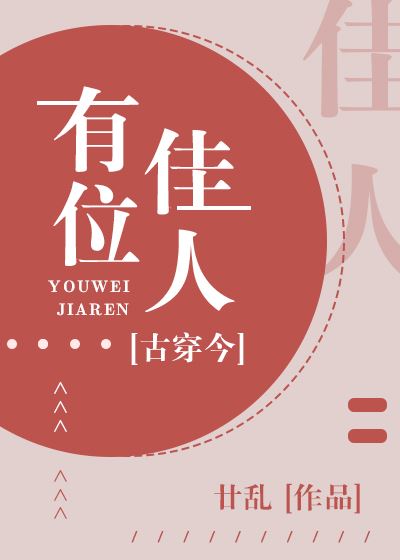
Can we talk about the scarf moment? I need to sit with this for a second. "Shen Yuhan still had a slight cough in the morning, so Shan Qihuan asked him to wrap up his scarf before going out." That's it. One sentence. No fanfare, no dramatic music, no internal monologue about how much he cares. Just action. But that's exactly why it broke me. It's the kind of love that doesn't announce itself—it just exists in the small stuff. The way Shen Yuhan notices Shan Qihuan's handwriting, the way he comforts him without being asked, the way he keeps his own fears quiet so as not to burden him. This is what I mean when I say the CP chemistry here isn't built on grand romantic gestures. It's built on attention. Shan Qihuan notices Shen Yuhan's cough. Shen Yuhan notices Shan Qihuan's insecurity about his calligraphy. They both offer comfort without making the other person feel small for needing it. When Shen Yuhan says: "I was very poor at writing when I was a child, and I was very tired of writing," he's not seeking praise—he's offering understanding. He's saying: I see your weakness, and it doesn't change how I see you. And that line—"you'll be fine if you practice more, much better than the classmates who attended the class with me"—that's not false flattery. That's genuine belief. The emotional arc here is subtle but devastating. You have Shen Yuhan, who survived the worst horrors of the past, sitting in a modern art gallery, surrounded by paintings that cost more than most people earn in a lifetime, checking for police signs every time they pass one, while the person beside him is completely focused on making sure he's comfortable. The tenderness is everywhere, but it's never performative. It's in the grinding of ink, the sharing of Xuan paper, the quiet offer of a ticket to an exhibition. When he says "I want to" about going out, he's not just agreeing to an activity—he's trusting someone with his autonomy. That's the emotional climax of this entire passage, and the author doesn't even announce it. It just happens, and then you're crying.
... Read More
The symbolism in this chapter is not subtle and I respect that. Shan Qiyun arrives holding flowers — a universal symbol of romantic pursuit, of softness, of vulnerability offered openly. And what does he find? Shan Qihuan, whose eyes are described as having "ice blades" and whose hand is "like iron welded" to his shoulder. Flowers versus steel. Softness versus strength. The past versus the present. There's also this recurring motif of eating that I think deserves more attention. Shen Yuhan immediately starts worrying about what Shan Qihuan ate in the US. Steak, bread, mediocre Chinese food — the domestic care expressed through food is basically their love language. Then Shan Qihuan turns around and "invites" Shan Qiyun to a meal. A meal that will never happen because Shan Qiyun won't dare accept. Food as connection, food as possession, food as power — it's all happening simultaneously. And then the family history revelation. The passage about Shan Tianfeng, about how the children who had mothers who acted like spoiled children were more confident... this isn't just exposition. It's the thematic KEY to understanding why Shan Qiyun acts the way he does and why Shan Qihuan doesn't care about his approval. Shan Qiyun grew up bullying Shan Qihuan and getting away with it because their father doted on the child who could act coquettishly. But now? Now Shan Qihuan has literally nothing to prove to any of them. "These people are strangers to him, they can't affect his future or his life." That's not arrogance — that's genuine emotional independence. The theme here is clear: the past only has power if you let it. Shan Qihuan decided, somewhere in those years of silence and endurance, that he was done letting other people write his story.
... Read More
Let me just say this straight — I forgot to breathe when I realized what Shen Yuhan was doing. He wasn't just crying in the dark; he was actively trying to find a weapon, testing whether a meat cleaver could cut through skin, and mentally working out where to do it so the mess would be manageable. The stakes here aren't abstract. This is someone sitting at the absolute edge, weighing his life against whether Auntie Wang can clean up after him. That's the most terrifying kind of depression — the part of your brain that still cares about small things even as it tries to end everything. Shan Qihuan's panic is immediate and visceral. He throws the knife, grabs Shen Yuhan, carries him away like he weighs nothing. The physical urgency in his actions versus the emotional confusion in his words creates this incredible tension. What do I care about? Will he survive? Can this be fixed? The author makes you feel every second of that uncertainty. By the end when Shen Yuhan's hands are ice cold and he's coughing uncontrollably, the stakes escalate again — now it's not just about the knife, it's about his body breaking down from exhaustion and exposure.
... Read More
There's something deeply symbolic about the water incident that I can't shake. Shen Yuhan gets pushed into water while chasing Shan Qiyun. Water in literature always means cleansing or drowning or transformation, and I think it's all three here. He's literally being pulled under by his own desires, by the things he can't control, and the person who finds him and calls for help is the man he's supposed to marry. That's not accidental writing, that's thematic precision. Then there's the whole money and power motif running through Shan Qihuan's backstory. The text literally tells us that in the eyes of the Shan family, his achievements are worthless, and his father would trade his marriage to a man without skills over a dream. The idiom about money making the devil turn the millstone is practically screaming at us here—this family runs on transactions, even their emotions are commodities. Shan Qihuan has his own company, his own success, and it's still not enough to buy himself autonomy over his own life. That's a devastating commentary on what wealth really means when you're trapped inside it. And the contrast between the Shan family's apparent polygamy (four wives!) and the monogamous norm of the rest of Qi Kingdom... what is the author saying about power and marriage? The family that has the most freedom to bend the rules is the one that enforces the strictest arrangements on its children. Hypocrisy as tradition. The orchid finger gesture mentioned in the glossary keeps appearing throughout the text as a symbol of performed femininity and grace—and I can't help but wonder if that's connected to how these characters are forced to perform roles that don't match their desires. Everyone in this story is wearing a mask, and the wedding is just the moment the masks become legally binding.
... Read More
Let me just sit with how layered the tension is in these chapters. On the surface, you've got Huang Shang setting up this whole scheme — getting Shen Yuhan to apologize to 'Brother Zhe,' treating him like a broken dog that needs to be beaten into submission. The group chat reads like a really toxic boys' club: 'Kneel down and beg for mercy!' 'Let Brother Zhe beat him up!' They're so convinced they've broken him, that his fall from grace has made him weak and pliable. But then you cut to Shen Yuhan actually going to CALLIGRAPHY CLASS on a Saturday morning and the whole power dynamic starts shifting. He's not kneeling. He's not begging. He's learning to categorize currency denominations and asking Siri questions. The real conflict though — and this is what got me — is the scene at Shan Qihuan's office. It's not just 'does Shen Yuhan have money?' It's: can Shan Qihuan see him? Can he look past the broken exterior and recognize the person underneath? When he asks 'You have no money?' it's not really about money. It's about shock, about the ground shifting beneath him, about realizing the person he's been building something with might be carrying weights he never knew about. And Shen Yuhan's reaction — turning away, the tears he can't stop — that's the moment the stakes become devastatingly personal. This isn't drama for drama's sake. This is two people who might actually understand each other colliding with everything they don't yet know.
... Read More
The stakes in this section are deceptively low on the surface. Nobody's dying. Nobody's leaving. It's just a family breakfast. But the conflict is RISING, and I need you to understand why. Shan Qiyun appears. That's it. That's the catalyst. But his presence forces every character to reveal something they've been hiding. Shen Yuhan calls him "Brother-in-law"—a title that's both polite and devastatingly cold. Shan Qihuan is visibly rattled, his tone "much colder" when he asks why Qiyun is there. And Qiyun himself is described as having been "concerned about Shen Yuhan's attitude of turning a blind eye to him yesterday"—so he drove all the way here SPECIFICALLY to see if his old connection still mattered. The unstated history between Shen Yuhan and Shan Qiyun is the third rail of this entire scene. Nobody mentions it directly. Nobody addresses the fact that Shen Yuhan used to have some kind of entanglement with this man. But it's in EVERY line of dialogue, every hesitation, every forced politeness. When Shen Yuhan says "Get used to it, this is my home now," is he talking about the physical house? Or is he talking about his commitment to Shan Qihuan—to choose this life, to leave the past behind? The real question hanging over all of this: can a marriage survive when one spouse's past keeps showing up at the breakfast table wearing a smile?

Leave a comment

You must be logged in to leave comments. or
