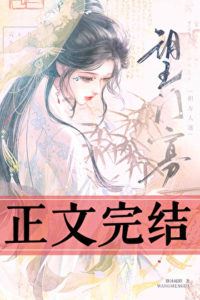
I keep coming back to the color red in this passage and I think it's doing a lot more work than the author lets on.
Helan Ying's earrings are "vermilion red agate" — vivid, dripping red. She physically threads them through Nan Liujing's ear while whispering threats, and blood seeps out beside the piercing, sliding down onto the agate. The earring becomes this grotesque kind of communion, this twisted gift that's also a brand. Nan Liujing wears them and suddenly her whole face comes alive with "vivid charm" — but it's Helan Ying's red, not hers. She's been decorated like a doll, marked like property.
And then Helan Ying herself is described in fire imagery throughout. Her skirt is "fiery as blazing flames." Her eyes are pale golden but with a "sinister air." When she emerges from the water, her red skirt billows around her like wings, and she looks like something ancient and dangerous — a venomous snake, a water spirit. She doesn't just wear red; she IS red. She is the danger and the beauty and the power all wrapped into one.
The water itself is another symbol I can't shake. It's spring water, supposedly refreshing and alive, but it becomes this weapon, this trap, this place where Nan Liujing almost drowns. And her envy — oh, this is the part that got me. She watches these healthy, lively young ladies and thinks: if they all got sick from the cold water, maybe it would ease her resentment. She's been so careful for so many years, so restrained, and the water offers her a chance to let someone else suffer for once. That's not just a plot moment — that's a thematic statement about what prolonged powerlessness does to a person.
The blood on the earring, the red skirt in the water, the crimson lips — this story is soaked in red. It's about violence disguised as elegance, about beauty that hides something predatory underneath.