The Silver Moon Illuminates the Bones - Reviews

The Silver Moon Illuminates the Bones
+Add to Custom List
Sort
Add review
... Read More
There's this one image that won't leave me: the long, dark shadow moving silently beneath the river, following them all the way to shore, then disappearing into deeper water when they reach trees. It's not just a threat. It's a symbol. The water doesn't care about their survival. It doesn't care about the bears or the flashlight or the infrared alarms. It just... watches. It holds things. Whatever that shadow is, it's been there before them. It'll be there after. And the mist? The thickening fog that reduces visibility, that merges with Shen Que's sweat and tears and makes everything feel dreamlike and wrong? That's not just weather. That's the story telling you that certainty is an illusion. They think they escaped. They think the bears leaving means safety. But the water knew better. The shadow knew better. And Shen Que, sitting alone by the fire, staring into absolute blackness with no signal, no moon, no stars—what is he really looking at? Not just danger. He's looking at how small they are. How temporary their survival is. The bears were hunger. The shadow is something else. Something patient. Something that doesn't need to chase because it knows they can't outrun water. And that fire? The one that suddenly shoots up? That's not just drama. That's the story winking at you. Telling you: the calm was never real. The warmth was never guaranteed. And whatever comes next, it's already underwater, already following, already waiting.
... Read More
Let's talk about Shen Que for a minute. The guy who spent the whole journey being treated like a mascot, like a lucky charm to keep around but definitely not to rely on. And then—he saves everyone. Not with some epic hero moment, but with cold, calculated control of a thruster. And what's his reaction? His hand is trembling. Veins bulging. Teeth grinding so hard Old Qiu has to physically pinch his jaw to make him stop. 'If you keep biting, you might shatter your teeth and swallow them.' That's not just relief—that's trauma. This is the first time someone he cares about nearly died right in front of him, and it hits him differently than any solo danger ever has. Meanwhile, the rest of the crew? Gang Zi is already hugging Ah Chao, making crude jokes about seeing half of him. Ah Chao is throwing light punches and calling him out. Old Qiu is patting Shen Que's shoulder like, 'yeah, kid, you okay?' And Shen Que? He's sitting there having a full-system meltdown while trying to smile. Then later—he offers to take night watch. Not because he's brave, but because he's terrified they won't survive if he doesn't stay awake. And Gang Zi, of all people, says 'let's keep watch together' while basically manhandling Old Qiu into a sleeping bag. These people are a mess. But they're *his* mess now. And Shen Que is starting to realize that protection isn't a one-way street. Though honestly? I'm still not over that underwater shadow. Whatever that is, it's gonna make all these sweet character moments feel incredibly fragile.
... Read More
The stakes here are so cleanly raised I almost laugh. Shen Que's family is slowly dying from Gu poison. His grandfather is old. His brother has limited time. The only hope is a mountain that swallows people whole. That's external stakes—massive, life-or-death, generational. But the internal stakes? Shen Que has already been in that mountain once. He came out damaged. His memory is gone. He suffers from 'soul-detachment sickness.' And he's going back anyway. That's not courage; that's a man who has already made peace with his own erasure. The conflict isn't just man versus nature; it's man versus his own inevitable endpoint, and he's choosing to walk toward it because someone else might survive. Then the author introduces the bear. Not some fantasy beast. A real, present-tense, fur-blending, dead-log-smashing predator with eyes locked on fresh meat. And Shen Que—still recovering from a supernatural mole incident—slides down a nearly vertical slope while the bear roars behind him. The chapter cuts off mid-sentence. "I'll count to thre—" What counts? Three what? Three steps? Three seconds? Three chances? The suspense isn't manufactured; it's sustained through sensory immediacy. You're not reading about danger; you're in the damp forest, breathing hard, phone signal dying, bear breathing down your neck. The stakes have never felt more personal. Shen Que isn't saving the world. He's running from a bear with a missing memory and a new mole on his chest, heading into a mountain full of ancient tribes and poisonous fog, because his family might live if he dies. That's not a plot; that's a heartbeat.
... Read More
I need to talk about the aesthetic of this entire encounter because the author really knows how to paint a picture. That youth — described with silver butterfly ornaments, chains that jingle, light brown eyes shimmering purple, lips shaped like pink hearts — he's almost too beautiful to be real. And Shen Que knows it. He literally calls him a 'little poisonous mushroom' and acknowledges that beauty in this place equals danger. The most haunting moment for me isn't the violence — it's the quiet intimacy before everything goes sideways. When Shen Que says 'I think I've fallen in love at first sight' and just pats his own chest like he's calming himself down? That's not flirtation. That's someone who knows they're walking into something they can't control and doing it anyway. But then the youth's voice — described as 'clean and transparent as a clear spring' — and the way he struggles with the Han language, spitting out words one at a time, is devastating in its contrast. Here's this impossibly beautiful creature who can barely communicate, and Shen Que is already planning his next move around him. The tragedy is baked into the setup from page one. What broke my heart was the ending of this passage. Shen Que surfaces, sees blood in the water, and feels regret. Not regret for what he did to the youth — regret for the mess he created. The emotional architecture here is so cruel. Every romantic beat is built on manipulation, and every moment of connection comes with collateral damage. I'm simultaneously terrified and drawn to this slow-motion disaster.
... Read More
The stakes in this section aren't just ‘will they survive?' They're ‘will they join the collection at the bottom of the river?' The author ramps up the horror exponentially. First, it's the python—a four-meter beast with fangs ‘nearly as thick as a grown man's finger.' That's visceral, immediate danger. Shen Que is outmatched. His dagger is useless against the coiled tail; he's relying on Old Qiu's ‘hidden weapon,' a tiny inch-long knife hidden in a ring. The tension is surgical. Every second counts. But then the environment itself turns hostile. Shen Que dives in and sees the riverbed ‘hidden countless dried bones of various shapes, many of which were human skeletons.' This shifts the conflict from a simple monster fight to something far more existential. The river isn't just a setting; it's a grave. The ‘odd rocks' were corpses. This implies a history of victims, suggesting the python isn't just an animal but a supernatural guardian or a trap set by something worse. The stakes are now dual: survive the present attack, and avoid becoming part of the past. The python's behavior is unnerving—it ‘nuzzled' Shen Que, almost playful in its cruelty, before unleashing full fury. That unpredictability makes the conflict feel desperate. Just when you think Old Qiu's blade has turned the tide, the snake goes berserk and snatches Shen Que. The suspense is taut. You're left breathless, wondering what force pulled him from those jaws, and whether this mysterious boy is salvation or just a different kind of predator.
... Read More
The dialogue in this batch is sparse but *effective*. It's not about long monologues; it's about those sharp, fragmented lines that crackle with panic and relief. Gang Zi's voice is instantly recognizable. ‘Ah!!! Young Master Shen! I recognize that back of the head, it's Young Master Shen!' That's pure Gang Zi—loud, excitable, loyal to a fault. You can hear him wheezing on the riverbank, holding up Ah Chao, just thrilled someone survived. Old Qiu's outburst is shorter but heavier with dread. ‘Shen Que! What the hell are you standing there for!' When the python goes berserk after the tail slash, Old Qiu's fear breaks through. It's not just anger; it's the terror of a man who's seen too much and knows exactly how close they came to joining the skeleton pile below. But the real vocal masterpiece is the silence around the Miao youth. He barely speaks. No lines at all, really. His voice is conveyed through action and reaction—the jingle of his silver ornaments, the hiss of his little snake, the way he nuzzles Shen Que out of the water. The narrative voice during the rescue is incredibly sensory: ‘Silver bell sounds constantly rang clearly in his ear.' That auditory detail paints a clearer picture than any dialogue could. The author knows when to let the characters shut up. In a high-stakes survival scene, the lack of chatter amplifies the tension. When Shen Que surfaces and sees the python, his reaction is internal – ‘Shen Que kept a wooden expression...' He's too shocked to speak. The voice here is in the subtext, in the things left unsaid. It's a testament to the writing that the silence feels louder than any scream.
... Read More
I have to say, this batch had me hooked from the very first paragraph. That image of Shen Yi lying there, withered to the bone, tubes everywhere—immediately everything shifted. You go from whatever calm atmosphere was before to pure crisis mode, and I love how the author doesn't waste a single moment. The plot structure here is really tight. We get a crisis (Shen Yi's illness), an obstacle (Fate Gu is incurable), a revelation (only E'yun Mountain can help), and a decision (Shen Que insists on joining). Classic four-beat structure but executed with real emotional weight because we already know Shen Que's history with that mountain. "This kind of venomous Gu is beyond my ability to cure." That line from the Miao man? Chilling. And then the bigger reveal—Fate Gu, lost arts, only people in E'yun Mountain can raise it anymore. The stakes just went from "save my brother" to "enter a legendary death zone." What really impressed me is how the author handles exposition. Shen Que's backstory about E'yun Mountain isn't dumped on us all at once. We get little fragments: he went four years ago, he was the only one who returned, his memories are fractured. It's enough to make you curious without slowing down the pacing. He couldn't remember anything that had happened inside, his memory was fractured by a blank fault line. That line alone is a hook so good it practically grips your ribs. And then the ending of this batch—clustering around the bonfire after all that tension? The author knows how to control rhythm. Big events, smaller breathers, then back to business. Every chapter seems to end right where you need it to, pulling you into the next one. What happens next time they enter the mountain? Because I am absolutely not surviving without reading the next batch, and that blank fault line in Shen Que's memory is going to matter, isn't it?
... Read More
There's a recurring element in these chapters that I can't shake—the illusion, the figure in the fog, the thing that appears and disappears and seems to exist outside the rules of this world. Shen Que sees it once, then again as he's limping back wounded. Two encounters in one night, and both times it happens when he's at his most vulnerable. The first time he leans back from the fire and sees cold vertical pupils—not the python's, but something else. Then after the python flees, he sees the figure again, tinged with that impossible purple fog. What's interesting is how Shen Que responds. He doesn't freak out. He doesn't investigate. He just shakes his head and moves on. Like this has happened before and he's learned that engaging with these visions is pointless or dangerous. This suggests he's not new to the supernatural—it's woven into his history here. The python itself feels symbolic too. It represents raw, natural danger—something you can fight, something you can run from, something that operates by rules. But the thing that scares the python? That's the unknown. The irrational. The force that makes logic collapse. "It's likely there's really something in that forest." Old Qiu's words hang heavy. This isn't just about surviving bears and snakes anymore. This is about confronting something that exists beyond human understanding, and every character knows it deep down. The forest isn't just a setting—it's a character itself, ancient and indifferent and hungry.
... Read More
"You won't be able to talk me out of it." I love this exchange. It's not even a conversation—it's two people who have known each other for twenty years just... orbiting each other. Old Qiu is the grounded one, the one who actually watches Shen Que grow up, the one who believes in everything except fate or evil spirits. But here he is, using logic and blunt words to try and shield someone from something even he can't logic his way out of. And Shen Que—he doesn't argue. He doesn't plead. He just smirks, jokes about reuniting on the Yellow Springs Road, and emphasizes the phrase 'hit the road' like he's savoring the double meaning. This isn't rebellion. This is resignation wrapped in dark humor. Their dynamic is everything. Old Qiu's loyalty isn't loud; it's in the way he pulls out two cigarettes, offers one, watches Shen Que refuse it, and then still sits there. It's in his voice being 'husky but revealing a subtle, sharp resolve.' He's not going to stop him, but he's not going to let him go alone either. And Shen Que's willingness to die for his family—it's not noble. It's not even particularly brave. It's just what he'd do. The butterfly moment later is creepy and intimate in equal measure. Whoever that hooded figure is, they touched him, they spoke to him, they left something behind. And Shen Que wakes up feeling slick on his neck, rubbing at his skin like it's real. That's the kind of detail that makes you sit up. These characters aren't just moving through a plot; they're leaving traces on each other. Old Qiu's fear, Shen Que's fatalism, the mysterious visitor's agenda—they're all tangled together like roots under that mountain. And I'm here for it.
... Read More
Okay I need a minute. The way the author writes about that mysterious figure watching Shen Que from the trees—I'm not okay. 'A passionate, longing gaze beckoned him into a swamp of love, inviting him to sink together.' How is this person even real? Shen Que is drawn into the woods almost against his will, 'unconsciously' raising his foot to follow, until Old Qiu physically yanks him back like pulling someone out of a trance. And here's the thing that wrecked me—the text says this stranger's scent is 'familiar' to Shen Que. Familiar! As if his body already knows this person even though his mind doesn't. That's the kind of subtle romantic tension that gets under your skin and won't let go. But let's also talk about the brotherhood dynamic because it's just as powerful. Shen Yi protected Shen Que from age ten onwards, and now he's collapsed. The text specifically says 'If one didn't look closely, it would be difficult to even discern that a person was lying there.' That's devastating imagery. Shen Que's entire world has been shaken—not just by the supernatural mystery, but by losing the person who was his safe place. And Shen Que's sexuality being weaponized against him by Old Qiu and his own brother? That adds this layer of betrayal to everything. When Gang Zi teases him about being seduced by a handsome guy in the woods, Shen Que can't even retort. The timing is cruel—he's dealing with his brother possibly dying from 'evil stuff,' and his friends are making light of his sexual orientation like it's a joke. The emotional complexity here is staggering. What I'm most curious about: is the figure in the woods connected to Shen Yi's condition? Is this a love story wrapped in a supernatural mystery? Because that line about 'we'—'He came to find us'—suggests this person belongs to a world Shen Que is just barely entering. Whatever romance develops, it's going to be complicated as hell and I am HERE for it.
... Read More
Can we just appreciate how different these characters sound from each other? Because it's impressive. Gang Zi is immediately distinguishable—he's the comic relief but with real street smarts. Watch how he deflects: 'it was Gang Zi who said it, it's not me ah!' That immediate, panicked ownership-denial is so natural. You can hear a real person saying that. And then he completely pivots to offering Shen Que sunglasses like nothing happened. Brilliant character work through dialogue alone. Shen Que's voice is razor-sharp sarcasm. When Gang Zi tells him to be careful of the sun, Shen Que fires back: 'I'll send you a hat when we get back, lest your brain get baked dry.' DEAD. But the most striking line in the entire chapter wasn't from either of them—it was from Shen Que about Old Qiu, said almost to himself: 'To think that in all his years, the Second Young Master of the Shen family had suffered just one serious beating.' The fact that he barely says it out loud but we FEEL the venom is masterful. Old Qiu, meanwhile, speaks in careful, measured sentences. 'This place is eerie. Although we haven't entered yet, but we've reached the boundary of E'yun Mountain, so everyone needs to be careful.' He's always hedging, always trying to protect Shen Que while also covering his own guilt. His dialogue is full of pauses, coughs, awkward gestures—'felt a chill down his spine, awkwardly reached out to rub the back of his neck and coughed twice, while pretending nothing happened.' This is showing-through-dialogue at its best. And the silence! When Shen Que 'chose to maintain silence to the end' after the boys tease him about staring into the woods—that silence screams louder than any line could. The author understands that what characters DON'T say is often the most important part of their voice. One thing I want to highlight: the dialogue never feels like exposition dumps. Even the backstory about Shen Que coming out and getting beaten is woven into a moment of tension, not delivered as info. That's how you write dialogue that moves plot AND reveals character simultaneously.
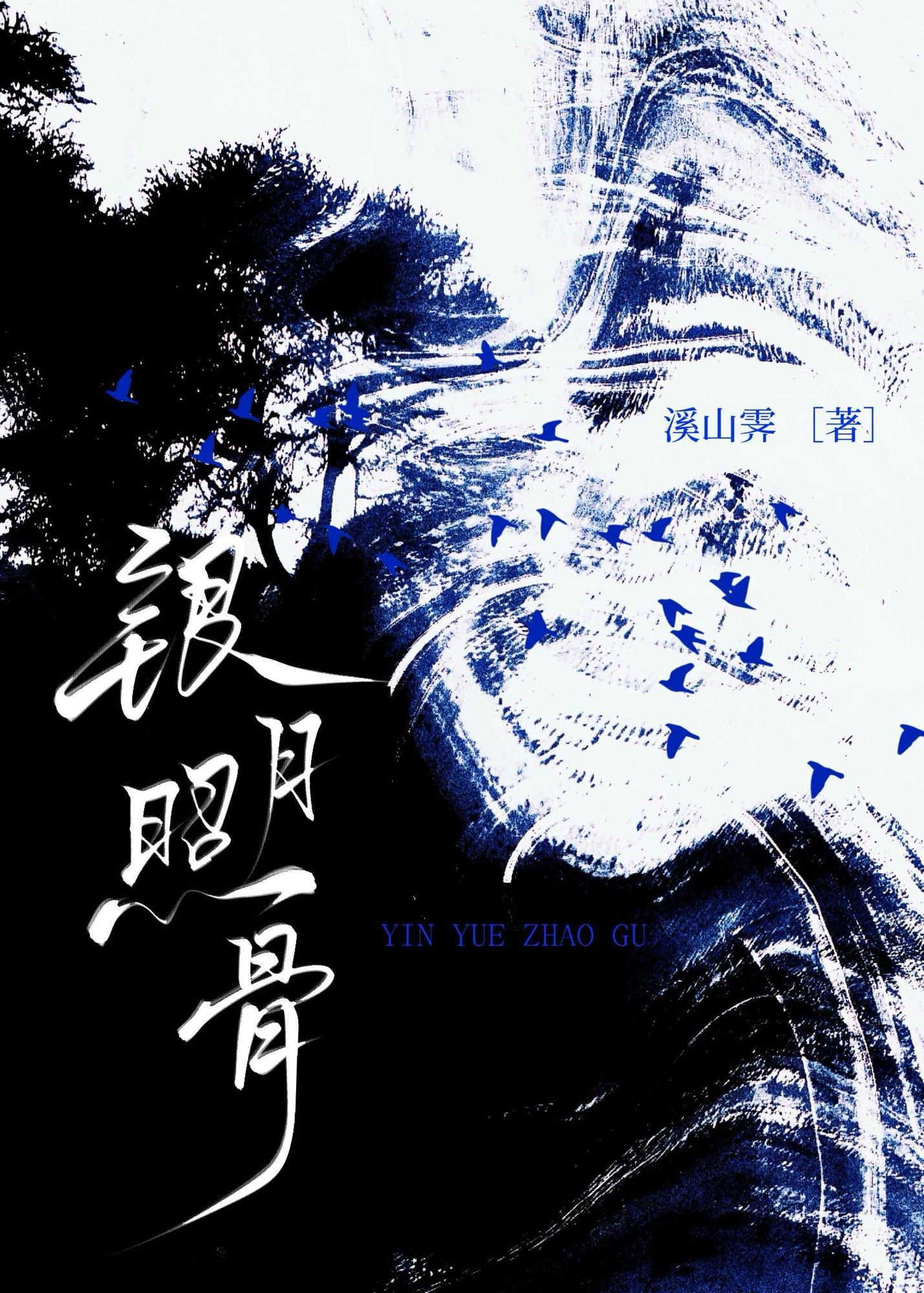
... Read More
The stakes in this book hit like a freight train and I was NOT ready. Let me lay it out: Shen Yi—Shen Que's protective older brother since age ten—is lying in a bed, lifeless, possibly dead or near-death from 'this kind of evil stuff.' That's the opening hook and it reframes EVERYTHING. Suddenly the mountain road isn't just a weird stop; it's connected to whatever killed or destroyed Shen Yi. And Shen Que, who 'originally didn't believe in these things,' is now forced to face a reality he didn't want. But the internal conflict is what really gets me. Shen Que's relationship with Old Qiu is toxic as hell. Old Qiu literally helped hold Shen Que down when his own brother beat him for being gay. A week later, Old Qiu is the one saving his life from the car accident and pulling him away from the woods. That's some serious cognitive dissonance right there. Then there's the mysterious figure in the forest—tall, slender, radiating 'a passionate, longing gaze beckoning him into a swamp of love.' Is this person friend or foe? The text deliberately keeps us guessing. When the sunglasses get picked up by... something... and that voice says 'He came to find us'—THAT'S your chapter cliffhanger. The stakes just went from 'family tragedy' to 'supernatural pursuit.' What I love is how the author layers the stakes: personal (Shen Que's identity and trauma), familial (Shen Yi's condition), and supernatural (whatever is hunting in E'yun Mountain). Each layer raises the tension without any of them feeling overdone. Shen Que isn't just fighting external threats—he's fighting his own mind, his own memories, his own confusion about whether that figure in the woods is a vision or a real person coming for him. The snake with the glowing purple halo wrapping its tail around those sunglasses? That's the author telling us: something supernatural is already touching Shen Que's things, is already claiming connection to him. The stakes aren't theoretical anymore.

Leave a comment

You must be logged in to leave comments. or
