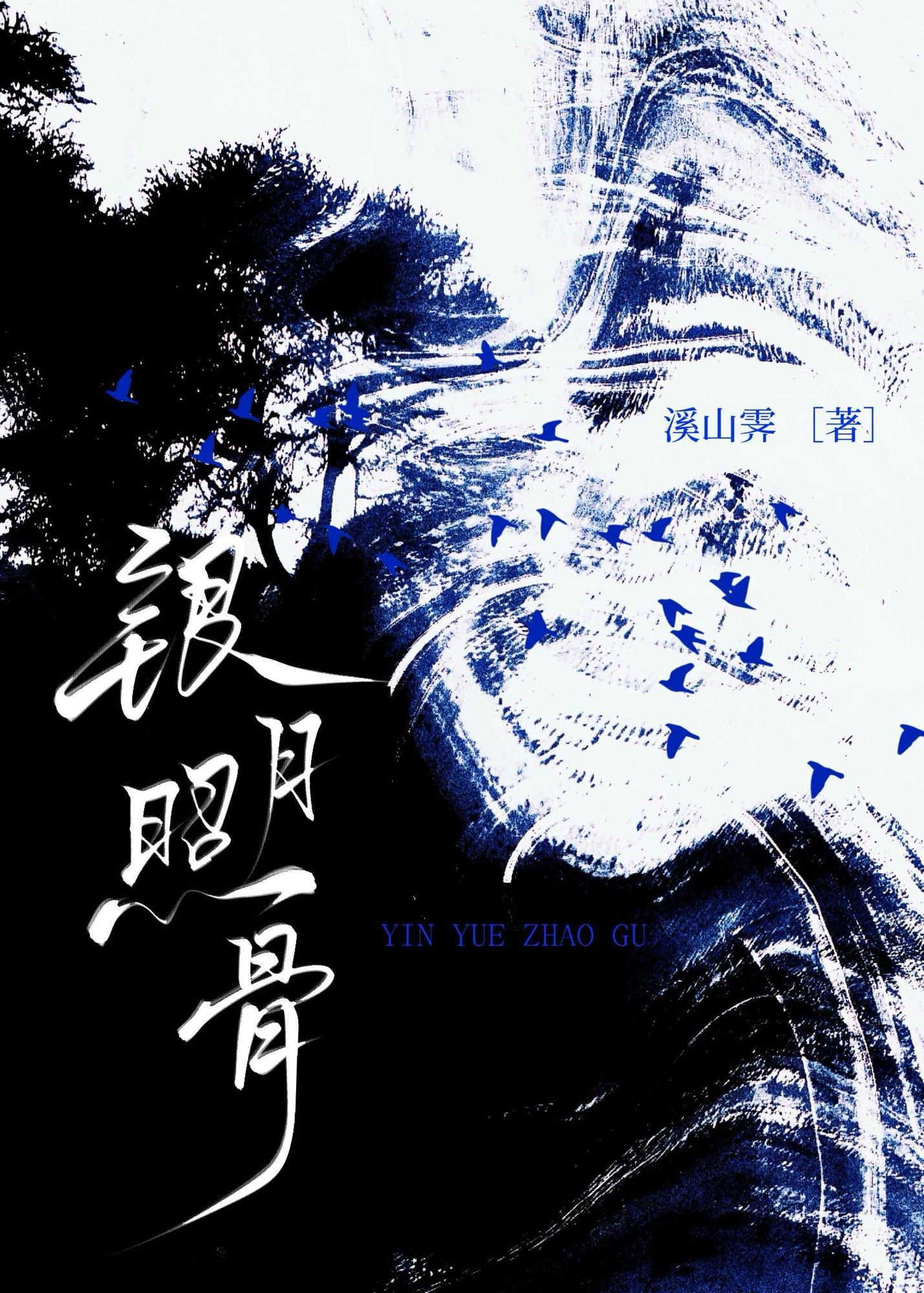
The atmosphere in this batch is next level. Let me just say it.
We open in a hospital room—cold, clinical, desperate. One of his hands was exposed and inserted with tubes for nutrient solution infusion, and it was so withered that only a layer of skin barely wrapped around the bones, blood, and meridians. That's not just description; that's horror wearing a medical coat. And then the thunder outside? It mirrors Shen Que's own internal chaos. That night, his heartbeat, which was unsettled ever since the thunder had crashed, now miraculously seemed to find its rhythm again. The environment is basically doing emotional labor for him.
But the real standout is the journey into E'yun Mountain. To call it a road was already an stretch, dirt and gravel had long vanished, swallowed by creeping weeds and tangled roots. All around was an endless ocean of trees; the farther they went, the denser the forest became. I could literally feel the car struggling. The world is closing in, the civilization is falling away, and every kilometer pushes them deeper into something ancient and unknowable.
Ancient trees towered around them, their crowns so dense that only a palm-sized sliver of sky could be seen through the canopy, where a faint ribbon of light still managed to filter through. A palm-sized sliver. That's the whole sky they're allowed. The forest isn't just scenery—it's a character, a gatekeeper, a threat.
And then the bonfire scene at the end? They sat around the fire. The warm, yellow flames flickered in the night wind, casting unsteady, alternating bright and dark reflections on their faces. Warmth against the encroaching darkness, temporary safety before tomorrow's real danger. The contrast between that golden circle of light and everything beyond it is pure cinematic storytelling.
The world feels alive because every setting has weight. The hospital isn't just a setting—it's where hope goes to die. The mountain isn't just a location—it's a living thing that swallowed Shen Que once before and might swallow him again.