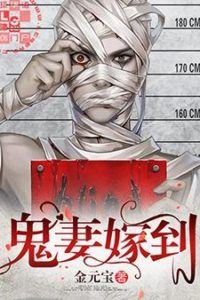
On the surface, this is a supernatural romance about a ghost officer forced into an arranged marriage with a human military commander. But beneath that premise, there's something really interesting happening with the theme of boundaries—literal and metaphorical.
Ling Yiran literally cannot cross into the military base without permission because of the yang energy. He has to wear a panda costume to survive the sun. He has to fake being alive to avoid detection. He is a creature of death navigating a world of the living, bound by rules he didn't choose. And Xing Han? He's bound by duty, by his 'hard fate' that supposedly kills everyone around him, by an engagement arranged by his grandmother that he hasn't even consented to. Both of them are trapped by systems larger than themselves—the Underworld's bureaucracy and the military's hierarchy.
The panda costume is such a brilliant symbol here. It's absurd, it's protective, it's something that makes him invisible as a person while simultaneously making him the center of attention. Ling Yiran is literally hidden in plain sight, just like his true nature. He's a ghost officer who has to pretend to be human to navigate this situation. The costume is his mask, his barrier between two worlds, and also—let's be honest—a source of comedy that keeps the story from becoming too heavy.
Then there's the death motif. Ling Yiran's profession is taking souls. He snatches the elderly man's soul in Chapter 3 with a somber professionalism that shows he's seen this countless times. But when HE dies and comes back, it shakes him too. The story is asking: what does it mean to be alive when you've already experienced death? What does it mean to love someone when the boundary between life and death is literally insurmountable?
The ghost marriage itself is the ultimate symbol of forced connection—two beings from different realms, bound by paperwork and tradition, neither fully consenting, neither able to escape. It's a metaphor for any relationship where external forces dictate the terms, and the story seems poised to explore whether genuine connection can grow from artificial arrangements.