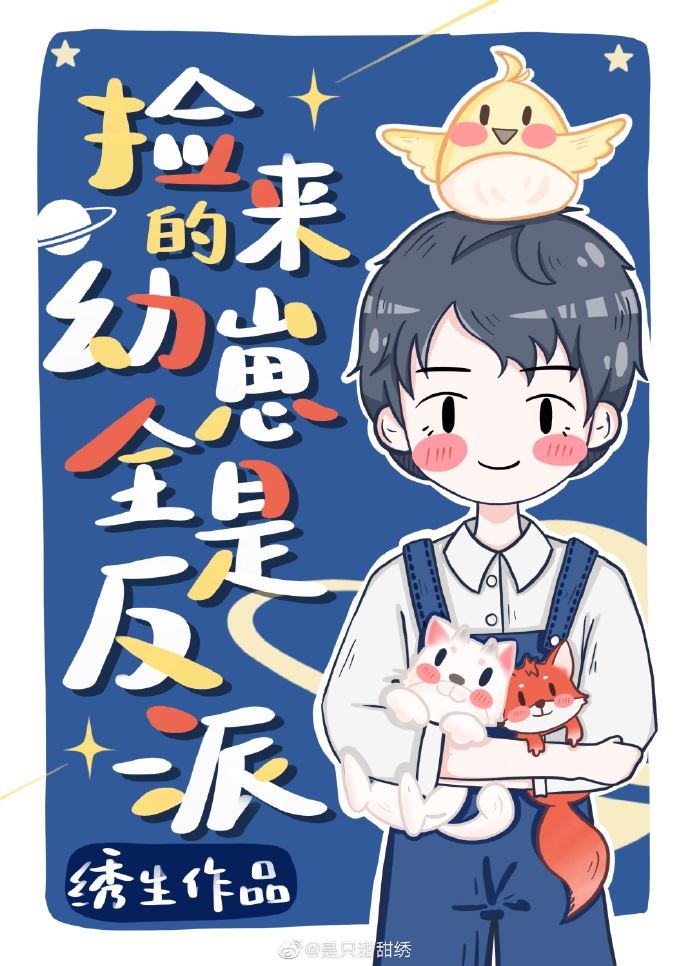
The stakes in this section are skyrocketing and I need to process how the author layers conflict on top of conflict until there is nowhere left to hide.
On the surface, this is a rescue mission. Heli is missing, Ruan Shiqing is searching, and the only unchecked location is the Lost Marsh—a place where even the strongest Beastkin cannot survive. But the real conflict is internal, and it is killing Ruan Shiqing slowly. Three days without proper sleep, running on stimulants, eyes bloodshot, veins of red spreading across his whites. He is sacrificing his own body because the alternative—giving up—is impossible.
The conflict with Mo Li adds another dimension. Mo Li wants to help, wants to protect his friend, but Ruan Shiqing draws a hard line: Heli is his child, this is not about Mo Li, he will bear the danger himself. That is not just stubbornness—that is paternal love weaponized against logic.
And Heli himself is in physical danger out there in the swamp, struggling to control a body too massive for the terrain, sinking deeper with every step, starving and exhausted and overwhelmed with guilt. He disobeyed his father, ate the gemstones, destroyed their home, and now he is alone in the most hostile environment on the planet. The stakes could not be higher.
What makes this conflict so compelling is that there are no easy outs. Ruan Shiqing cannot just call for backup—the Lost Marsh is too dangerous for anyone else. He cannot give up—Heli is his son. He has to go in, fully aware that he might not come back, because Yuebai and Nota still need him to take care of them. That is the kind of parental love that terrifies and inspires at the same time.
The swamp itself is the final antagonist here—ancient, toxic, indifferent to anyone's suffering. And Ruan Shiqing is about to walk straight into its throat.