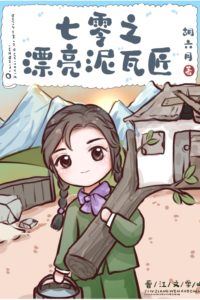
Okay, let me just say this—Chapter 1 is an absolute masterclass in atmosphere. The author doesn't just tell you it's a thatched hut settlement, they MAKE you feel the damp, the cold, the raw exposure of it all. I'm talking about sentences like: "The huts were crude structures of mud and straw, their walls porous and their roofs thatched. There were no windows." Porous walls. No windows. You can literally feel the mountain wind sneaking in through every crack.
And then there's the sound design. The author goes full cinematic here: "Shhh… shhh…" for the wind, "Wooo—" for the mournful howl across the ridges, "Croak… croak…" for the frogs, and then—BAM—a massive beast cry that silences everything. It's like the author is conducting an orchestra of dread. I swear I was sitting there with goosebumps at 2 AM.
But what really got me was the contrast. Right after all that terror, the next morning? "The air was sweet with the scent of grass and trees. In the distance, plumes of cooking smoke rose from peasant homes." One paragraph of pure horror, the next of pastoral beauty. It's jarring in the best way possible—it mirrors how these kids must have felt, swinging between despair and the fragile hope of a new day.
The spring water detail is also genius: "a large, moss-covered stone vat. When the vat overflowed, the water spilled down its sides, striking the ground with a steady, rhythmic drip, drip, drip." That drip, drip, drip becomes this haunting metronome of isolation. I could hear it in my head for hours.
And don't even get me started on the zombie dream sequence. The author shifts from 1973 rural China to full-blown apocalypse in one paragraph—"This was the apocalypse. A zombie virus had ravaged humanity. Eighty percent of the population had been infected"—and somehow it doesn't feel jarring at all. The sensory details carry over: the stampede, the teeth sinking into flesh, the agony. It's visceral. By the time Tao Nanfeng wakes up and sees the black tooth mark on her hand, my heart was absolutely pounding. The worldbuilding here isn't just setting—it's a trap that pulls you in and never lets go.