Sweetness Is Incessantly Late [BL] - Reviews

Sweetness Is Incessantly Late [BL]
+Add to Custom List
Sort
Add review
... Read More
Are you kidding me? The dinner scene??? I read it three times because I couldn't believe the author would do that to me. "Yes, I like you." — and Chi Yu says it while completely drunk, like his brain finally stopped censoring him, and then he collapses. And Fu Zhi'an says "I like you too" like it's the most natural thing in the world. But it's not natural at all, is it? They're about to be separated. He's leaving. And in that moment, surrounded by their idiots friends (Hu Yushan calling Lin Chuan "Mom" and Lin Chuan slapping his face), they finally say it. The tragedy is that the author makes it feel BOTH beautiful AND devastating simultaneously. That's rare. Most books pick one lane. This one goes into both. I literally sat there with my phone like... what am I supposed to do with this feeling? And then—the car drives away. Fu Zhi'an can't follow. He has to start getting used to life without him RIGHT NOW. But his body betrays him. Stomach cramps, crouching on the ground, reaching for a cigarette with a crushed pack. That ending has been haunting me all day. The pain isn't metaphorical—it's physical. His body is saying what his mouth can't.
... Read More
This author writes scenes like they're photographs. Just look at the opening—rain had just stopped, wind slipping through clothes, Fu Zhi'an stepping over puddles with headphones on, hearing footsteps behind him despite the static. The plastic bag rustling, the shape of shoes visible inside it, the boy's red-rimmed eyes. You can SEE all of this. Then cut to the hot pot scene—broth stopped bubbling, thin layer of oil forming on the surface—and Chen Yifang rubbing her reddened eyes, pretending she forgot the tofu. The temperature shift from cold rain-wet streets to that stuffy room where Fu Zhi'an is Googling hereditary heart conditions while the boy beside him glares. Later, the school steps at dawn, the gatekeeper shouting through the retractable gate, the newsstand man slouching on a sofa looking at him with disdain. The cigarette pack getting crushed in his trembling grip. The snow finally falling at the end, covering everything in white while he trudges through frozen streets, body numb. Each scene is self-contained, cinematic, but they stack on top of each other building this atmosphere of quiet devastation. The cold isn't just weather—it's the emotional temperature of the whole story.
... Read More
There's so much happening beneath the surface of these chapters that I didn't even notice on my first read. The tree costume. Let's talk about it. Fu Zhi'an is forced to wear this giant green outfit that covers everything except tiny holes for his eyes and nose. He can SEE the world but the world can't really SEE HIM properly. And yet—he's still the center of attention. Lin Chuan can't compete. The girls are distracted. The costume makes him MORE visible, not less, while simultaneously reducing him to a cartoonish prop. Isn't that kind of how Fu Zhi'an operates in their dynamic? He's always there, always visible, always smiling—but is he truly seen? Or does Chi Yu only notice him when something threatens to take him away? Then there are the HANDS. So many hands. Fu Zhi'an catching Chi Yu's wrist in the dark. His cool jade-like fingers. The stranger's hand on Chi Yu's shoulder (the inciting incident for everything). Chi Yu gripping Fu Zhi'an's wrinkled sleeve. The sweaty palm against cool fingertips. The white fingers stroking dark hair. Hands are the primary language of this relationship—they touch, grab, pull, pet, but rarely speak. And Chi Yu's "pale arm, the faint blue veins visible due to blood flow"—that detail matters. He's tense. His body is under pressure. Everything about him is straining to hold onto something, to not let go. Even his confession comes out wrapped in physical tension. The repeated imagery of faces—half-lit, half-shadowed, grinning, scowling, smiling, frozen—reflects the duality of these characters. They're never fully revealed. Never fully honest. Until that one moment on the steps where everything cracks open.
... Read More
Can we talk about how the author uses text messages as dialogue? Because this is next level. Chi Yu reading the yearly message from his brother on New Year's Eve—he doesn't even need to open it. "It was the same time and the same content as in previous years." That says more than any monologue could. Then the actual exchange with Fu Zhi'an: [What are you doing?] [Preparing cabbage filling for dumplings.] And Chi Yu's response: "I like shrimp dumplings." He hesitates. He doesn't retract it. That tiny pause on his fingers matters so much. And Fu Zhi'an walking in and just saying "Shrimp dumplings" with a smile? Perfect. Every line feels like these actual people talking, not characters delivering exposition. Even the study group chat with all the "dad" jokes feels authentic. The author has this incredible ear for how people actually communicate—especially when they're trying NOT to say what they really mean.
... Read More
The stakes here are layered in a way that gets under your skin. On the surface, it's academic — exam results, rankings, scholarship. But the real stakes are personal. Chi Yu's father used money to smooth things over regarding his relationship with Fu Zhi'an. That's a conflict that hasn't been resolved; it's just been papered over. The birthday invitation from Chen Yifang isn't just generosity — it's a family recognizing something is missing and reaching toward it blindly. Fu Zhi'an deleting his reply to the teacher about the scholarship — that's internal conflict made visible. He knows he might not win, and he doesn't want to tell Chi Yu because... why? Because he's protecting him? Because he's already bracing for disappointment? The scholarship threat adds pressure to an already tense situation where both boys are navigating feelings they haven't fully named yet. And then that phone call. Chi Yu calling because he sensed something was wrong. 'Don't scare me, okay?' Those words carry the weight of everything — the fear of loss, the vulnerability of caring, the realization that these boys have built something fragile between them that could shatter if either of them disappears. The chapter ends not with resolution but with that terrifying openness: two people on a call, neither speaking, both terrified the other might hang up.
... Read More
The stakes here are so beautifully layered. On the surface, it's about teenage romance, secret kisses, skipping school. But dig deeper and there's this huge question: what happens when the perfect boy shows his cracks? Fu Zhi'an's conflict isn't external - it's internal. He's maintaining this image of composure, of having everything together, but inside he's smoking alone in parks, his gaze unfocused, his smile shattering. Chi Yu's conflict is different - he wants to save someone who doesn't want to be saved, or maybe someone who doesn't believe they can be saved. The stakes of their relationship? Everything. If they fail, they lose each other. If they succeed, they might destroy the carefully constructed worlds they've built. That moment backstage when Chi Yu sees Fu Zhi'an's expression change - he knows something's wrong but can't fix it from distance. The guard scene adds physical stakes - getting caught could mean trouble. But the real tension is emotional: can these two be honest with each other before the pressure breaks them?
... Read More
There's something deeply symbolic about how winter operates in these chapters. Chi Yu has always disliked winter—he's been standing outside in just a hoodie, shivering, refusing to seek warmth—while Fu Zhi'an immediately wraps him up in his jacket, pulls his hands inside, shares his body heat. It's not just a physical act, is it? The cold represents all the emotional distance and hardship Chi Yu has been carrying alone, and Fu Zhi'an's warmth is this persistent, almost stubborn refusal to let him stay frozen. That necklace Fu Zhi'an pulls out—the one Chi Yu presumably bought—and the ring comment, it's loaded with unspoken meaning. Both characters are wearing their feelings on the outside but can barely admit them directly. The hotel room scene takes this even further. The steam from the shower, the confined space, the charged silence between them—it's all about closeness they're both craving and terrified of. And that moment where Chi Yu's bladder supposedly 'evaporates' when he sees Fu Zhi'an half-naked? Yeah, that's not just comedy, that's the body reacting to emotions the mind hasn't caught up to yet. The recurring image of winter cold versus body heat really frames the entire emotional arc of these chapters. What else could it mean if not that?
... Read More
Let's talk about Li Che for a second because this man is a whole mood. First, he shows up in Chi Yu's car on the day Travis was supposed to pick him up for the tattoo session. Not a word about why Travis is absent. Just: "Travis has something to do today." Casual. Calculated. Then he makes Chi Yu close the window because HE is hot, after complaining about the AC being too cold. The man is actively miserable and he's taking everyone down with him. Classic Li Che energy. But the real reveal comes when he tells Travis, "You've been neglecting me for too long," and drags him to the bedroom. Like. Excuse me? This is the kind of possessive, unhinged behavior that makes me simultaneously want to scream at the page and read everything this author writes. Li Che is deeply, profoundly messy, and he knows exactly how to weaponize it. He's the kind of character who will ruin your day and then make you fall in love with him anyway. And Chi Yu—this kid sees right through everyone. He calls Li Che out immediately: "I thought you were Travis's babysitter, always cooped up at home cooking." Brutal. And yet he accepts the eco-friendly bag Li Che tosses him without even a thank-you because Li Che was already gone. They have this weird, tense coexistence that's honestly more interesting than any romance subplot. Li Che doesn't pretend to be nice. Chi Yu doesn't pretend to care. And somehow that honesty is more real than half the relationship drama in this book. Meanwhile Travis is just over there getting dragged around like a plush toy by two emotionally unavailable men and he keeps smiling. The man has a tattoo of Chi Yu's name on his arm and still doesn't fully understand the situation he's in. I love him for it though.
... Read More
Let me unpack the symbolism here because it's rich. The cigarette - Fu Zhi'an smoking is such a powerful image. He's this perfect student, follows all rules, gets permission slips without asking... except for this one rebellion. The cigarette is his secret, his stress relief, his way of claiming something just for himself. And then he makes Chi Yu taste it, literally transfers it through that kiss. It's about shared secrets, shared corruption, shared humanity. The permission slip scene with the guard? Also symbolic - Fu Zhi'an plays by the rules to get what he wants, while Chi Yu fakes his way through by throwing paper and finding loopholes. Two different approaches to the same goal: freedom. The black hoodie that silhouette? Mysterious, protective, hidden. And the curtain in the classroom - drawing boundaries, creating private space in public world. These symbols all tie together a theme about finding your true self while hiding from the world, and letting someone see behind the mask.
... Read More
The dialogue in these chapters is absolutely sharp enough to cut glass, and I love how each character's voice is instantly distinguishable. Chi Yu's voice is all defensive speed—"Been waiting long?" "Who said I was waiting for you?" "I was just passing by." He's firing lines before he can process his own emotions, and it's hilarious and heartbreaking at the same time. Every snap is a shield. The moment he says "I didn't mean it like that" while walking to the bathroom? Classic Chi Yu—panicked honesty wrapped in denial. Fu Zhi'an's voice is slower, sardonic, with this dry amusement that makes every line land differently. "What a coincidence, then." "My bad for not hiding them better." "You caught me again." These aren't just responses; they're performances. He's letting Chi Yu think he's the smart one while completely controlling the situation. The contrast between them creates this electric rhythm. Chi Yu speaks in bursts and defenses; Fu Zhi'an speaks in measured provocations. When they finally collide—literally and figuratively—the dialogue drops and the subtext takes over. "I missed you." No snark, no performance. Just three words that carry everything. I also need to address the physical comedy: Chi Yu finding those keys and immediately going accusatory, then Fu Zhi'an calmly admitting the whole thing was a setup. The exchange has the timing of a stand-up routine but the weight of a confession. Perfect balance.
... Read More
The pacing in these chapters is dangerously good and I need to unpack why I couldn't stop reading. "Then you'd better start pleasing me. Who knows, maybe if I pity you enough, I'll just settle down with you for life." That opening line alone is a hook that drags you in and refuses to let go. The chapter starts with banter—light, playful, almost flirtatious tension between Fu Zhi'an and Chi Yu—and then within the span of a few paragraphs it pivots HARD into something else entirely. Chi Yu smacking Fu Zhi'an with a backpack, ears turning red, strutting ahead like he's got something to prove. It's funny, it's cute, it's the kind of scene where you're scrolling and smiling like an idiot. And then—BAM—you're crossing the street to watch someone get confronted by men in leather jackets. The tonal whiplash is intentional and it works because the transition feels natural. Chi Yu notices the girl, says "Wait here," and the chapter just walks right into the conflict with him. The structure here is brilliant because it mirrors how real life actually moves. One moment you're joking about basketball, the next you're dealing with someone's sister trying to buy alcohol at midnight. There's no sterile chapter break between "wholesome walk home" and "confrontation in the alley." It just happens, and that's what makes it feel so real. But then—after the confrontation—with Chi Yin leaving and Chi Yu confused, the chapter does this thing where it slows down dramatically. We get this quiet domestic scene at Fu Zhi'an's place, Fu Zhi'an in a black hoodie, Chi Yu overthinking what to wear because Fu Zhi'an said he'd pick him up. The tension shifts from external conflict to internal anticipation, and that's where the pacing really shows its teeth. It's like the author knows you need to breathe after the alley scene, so they give you this soft, aching moment where Chi Yu can't sleep at 3 AM worrying about his outfit. The chapter ends on this note of sleepy, bubbly nervousness that makes you immediately want to open the next one. Someone please tell me this author isn't subtly training readers to lose sleep because my schedule is ruined and I have no regrets.
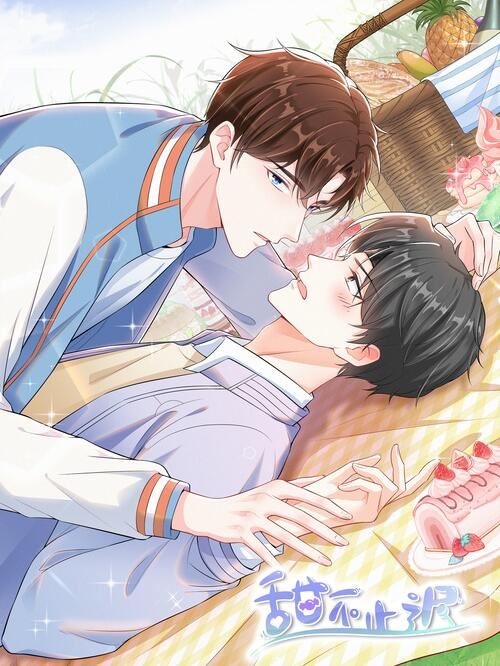
... Read More
Okay so let me just say this chapter hits differently. We've been building toward something and the plot here just... snaps tight. The teachers gossiping about Chi Yu being a virus corrupting Fu Zhi'an — that's not just background noise, that's the entire external pressure cooker the story has been simmering in. And then Fu Zhi'an overhearing it? Perfect timing. He doesn't just hear words, he witnesses the exact moment the adult world decides his love is contamination. "Some people are like viruses, spreading their influence." This line though. It's so casually cruel because these teachers genuinely believe what they're saying. They're not cartoon villains, they're just... normal people with normal prejudices. Which makes it worse. But the real plot engine here is the family dinner scene. The mother inviting Chi Yu for dumplings is such a small action that carries enormous narrative weight. She's testing the waters, literally and figuratively. And then the father? "This road is going to be difficult." Two sentences and suddenly the entire stakes of this relationship crystallize. The plot isn't just about whether these two boys can be together — it's about whether they can survive a world that won't make it easy. And that ending? "Are you planning to..." She doesn't finish the sentence. She doesn't have to. The chapter just stops, and you're left hanging. What IS the future? Is this sustainable? Can love alone bridge these gaps? I need to know what happens next but also I'm not sure my heart can handle it.

Leave a comment

You must be logged in to leave comments. or
