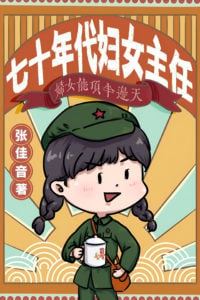
The tension in these chapters is incredible and I want to talk about how the stakes keep escalating without the characters ever really raising their voices.
At the surface level, the conflict is simple: Zhao Ke wants to transfer her factory job to her sister. But the author immediately complicates it by making us understand that this isn't just paperwork—it's about who controls the family's future, who gets the better opportunities, and who gets left behind in the village. When Zhao Xinshan asks "why not transfer it to Zhao Feng?" he's not just being difficult; he's asserting the patriarchal logic that a man should come first. And Zhao Ke's response—"since I'm able, I'll first settle my sister, and then I'll make other plans with Zhao Feng later"—is this incredibly calm deflection that sounds agreeable but actually sidesteps his entire premise.
But the real conflict is happening beneath the surface, and it's about power. Zhao Xinshan is the village leader, the head of the Zhao clan, and he's used to having his authority unquestioned. The fact that he's pacing around smoking cigarettes, muttering to his wife about how "Lao San never takes charge of anything. Everything at home and outside is controlled by her, Yu Xiulan"—that's a man who realizes he's losing control of his family and doesn't know how to stop it.
And Yu Xiulan! She's the real antagonist here, or at least the real force of opposition, even though she's Zhao Ke's mother. The author has set up this fascinating dynamic where the mother-daughter relationship is also a power struggle. Yu Xiulan has shaped Zhao Ke's ambitions, but Zhao Ke is now executing them in ways that might not fully align with her mother's plans.
The stakes are never stated outright—there's no dramatic speech about what will happen if Zhao Ke fails. But the author makes you feel it through the small details: the transfer certificate, the grain account, the cigarette butts piling up in Zhao Xinshan's yard. Everything hangs in the balance, and nobody is shouting about it.