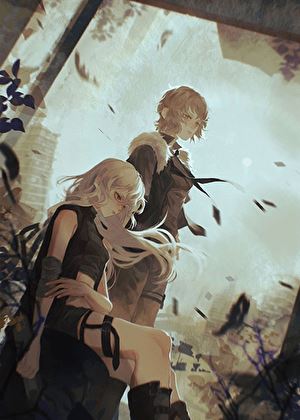
The structural genius of these chapters is how the author controls reader engagement through deliberate pacing shifts. Let me explain.
We open with a revelation scene—minimal dialogue, heavy subtext, Chu Ci dropping breadcrumbs about her fragmented memories. It's intimate, slow, almost meditative. Then we cut to... you know what, the SEVENTH DISTRICT. Neon lights, bars, KTVs, people walking around with arms around each other's shoulders. The author literally floods us with sensory overload after that quiet bathroom conversation. This contrast IS the pacing. It tells us: the world keeps moving even while your characters have their private moments.
Then the armored vehicle arrives. Boom. Plot accelerates. Three days have passed, time skip, and suddenly we're dealing with logistics and escape planning. The tempo shifts again when You Lan gives the car keys—fast dialogue, quick back-and-forth, almost brisk. It's like the author needs you to catch your breath before the next emotional gut-punch.
And then—BAM—the bathtub scene. You Lan's whisper, the suggestive tone, the exit. The chapter essentially becomes a comedy of errors as Chai Yuening spirals internally. The pacing goes from realistic dialogue to fever-dream imagination, and the bathroom scene at the end brings it back to quiet domesticity. Chu Ci's bare feet, the water droplets, the stolen pillow—it all slows down to a near-standstill.
Author's Notes placement is also interesting. 'Someone is nervous, someone is on alert' appears right after the most charged scene, framing everything that follows. It's meta-commentary that makes me reread with new eyes.
I think what works best is how the author refuses to let any single scene dominate for too long. Every emotional beat gets followed by something lighter or louder or weirder, keeping the reader perpetually off-balance in the best way.