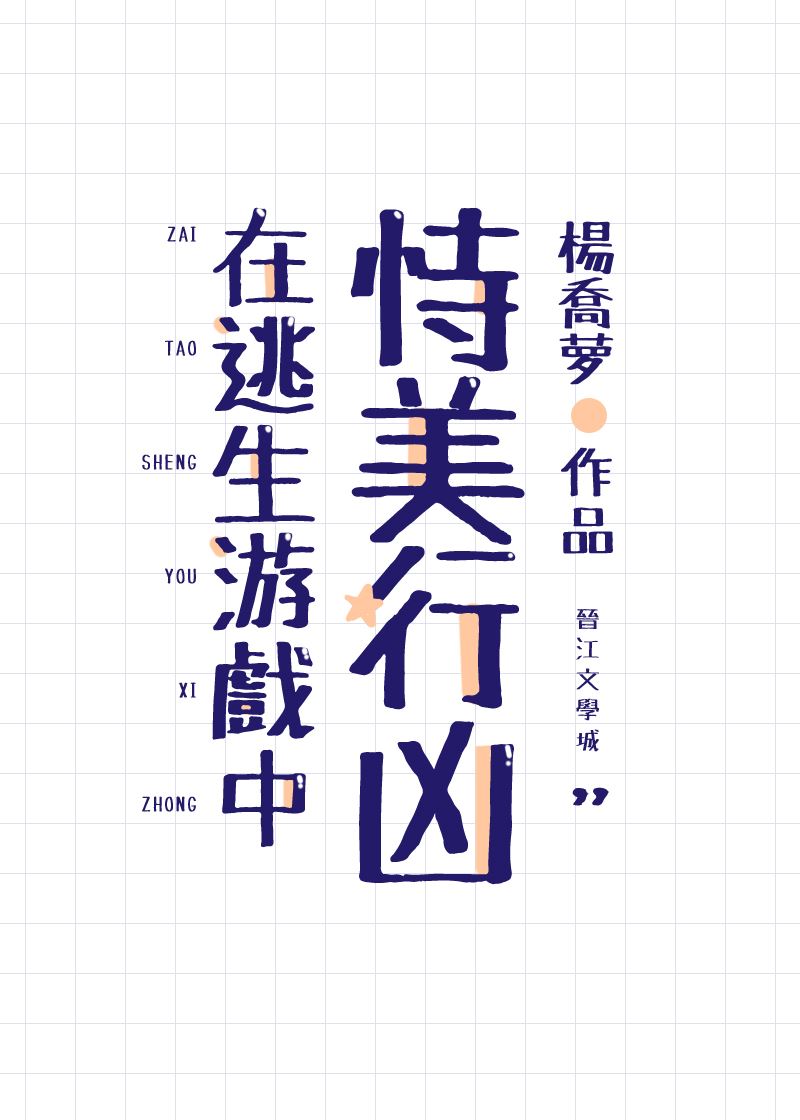
On the surface, this chapter is chill. Li Xi is bored, Duan Zhen is being sneaky, everyone's hanging out in the woods after a hunt. But if you actually pause and map out the stakes, this is a goddamn pressure cooker.
Let's start with Duan Zhen. He's an intermediate player in a high-stakes instance where "once the prey was caught, the outcome could be grim." He hasn't found Li Xi yet—he's been searching, tracking, worrying. And then Li Xi finds HIM. His cover is blown the second those golden eyes lock onto his. What were his options? Run? That would trigger suspicion. Fight? He's outnumbered. So he does the boldest thing possible: he leans into the capture. He leaps from the tree, exposes his neck, offers to serve. This isn't just clever—it's terrifyingly risky. If Li Xi had any hostility programmed into him, Duan Zhen dies right there on the forest floor. And Li Xi isn't acting like his old self. He's distant, bored, amnesiac. Is he still loyal to Duan Zhen? No one knows. Duan Zhen doesn't know. We don't know. That uncertainty is what keeps you griping the phone.
Then there's the data anomaly. Dan Zuo is monitoring fluctuations, and only Li Xi triggers them. What does that mean? Is Li Xi an NPC? A player? Something else entirely? The stakes aren't just survival—they're ontological. If Li Xi isn't who he seems, then Duan Zhen's entire mission is compromised. He's placing his trust in a variable he can't measure.
And the external conflict is simmering. Andre is jealous, possessive, clearly attached to Li Xi. He sees Duan Zhen as a threat to his status, to his access. The text hints at rivalry between affiliated families. This isn't just personal drama—it's political. If Duan Zhen becomes Li Xi's attendant, he's now embedded in a noble house with its own enemies, its own secrets, its own violent history.
But the real tension—the one that's going to explode—is internal. Li Xi feels like he's forgotten something. He's restless, bored, searching for meaning in this hunting game. His subconscious is driving him toward Duan Zhen even while his conscious mind doesn't register who Duan Zhen is. That dissonance is a time bomb. Every interaction between them is walking a razor's edge: Li Xi might remember at any moment, or he might never remember, or he might remember something terrible. And Duan Zhen? He's playing a double game inside a lion's den, smiling while calculating, serving while spying. The stakes are identity, memory, survival, and whatever bond existed before the reset. And the author isn't rushing any of it—they're letting the dread accumulate, layer by layer, until the reader is sitting there thinking, "When is this going to blow up?" My money's on the next chapter.