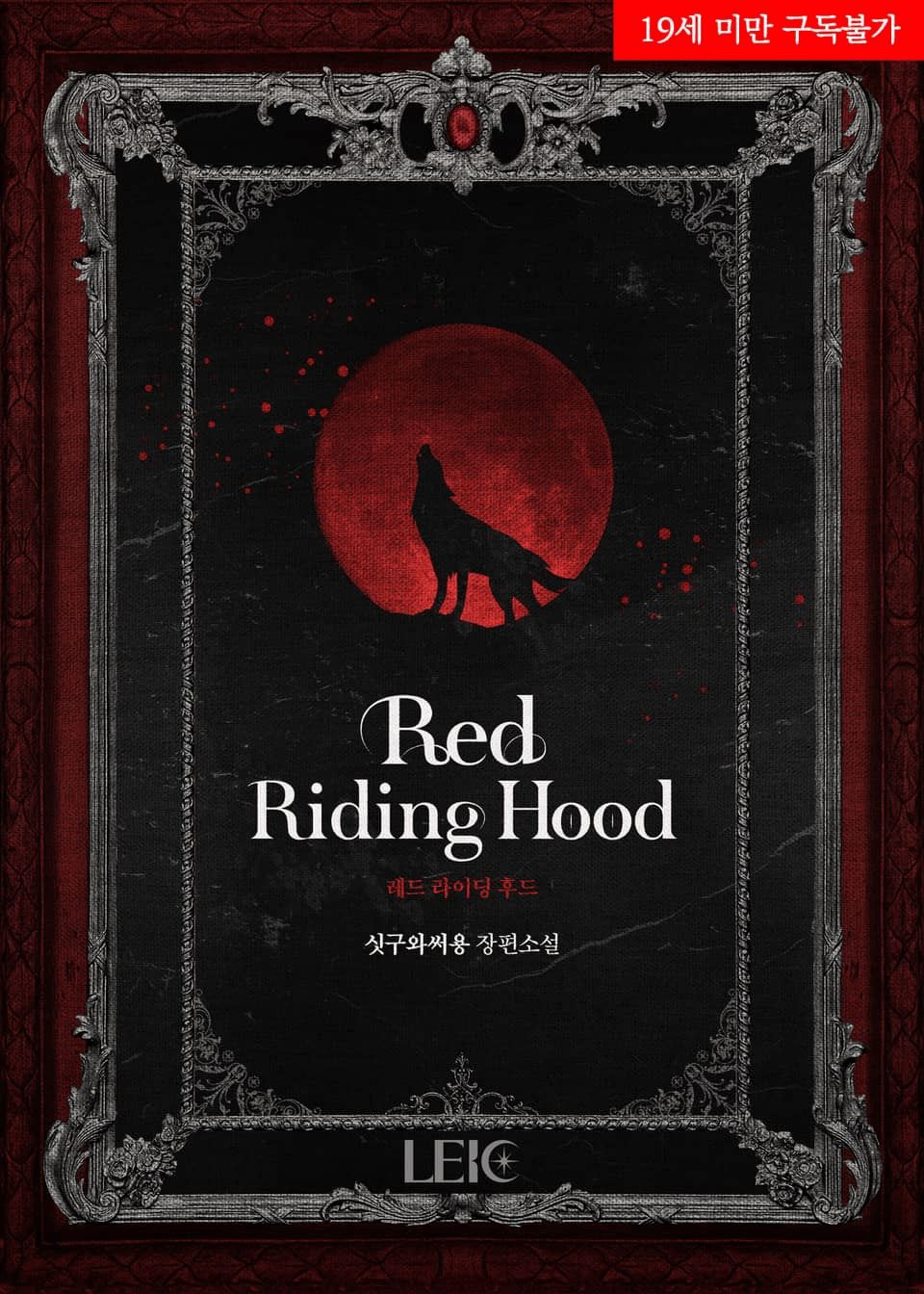
The dialogue in this book is distinct, layered, and completely character-driven. Let's start with the Prologue. The Wolf speaks in near-rhyme: 'The better to hold you close with,' 'The better to run swiftly with.' It's fairy-tale cadence, almost lyrical. But the final line shatters it: 'The better to eat you with, little one.' The rhyme drops. The menace spikes. That's the author's voice establishing tone—playful on the surface, predatory underneath.
Then the villagers. The Fish merchant: 'Welcome, Cinq! What will it be today?' Cheerful, loud, exaggerated. But his actions are repulsive—he grabs his own crotch and offers 'my cod.' The dialogue is sales pitch; the subtext is harassment. The Horse coachman is gruffer: 'Playing innocent, are we?' Spits straw. 'You can only keep this act up for so long!' His voice is rough, direct, accusatory. No politeness. Just threat.
White Goat is where it gets interesting. 'My sweet Cinq. My sinful purity, my chaste harlot.' That's not dialogue; that's incantation. The rhythm is hypnotic. The oxymorons ('sinful purity,' 'chaste harlot') reveal his twisted theology. He speaks in compliments that feel like violations. 'I will be the first to remove your red hood.' Soft. Intimate. Threatening. And the Wolf—when he finally speaks: 'Are you that old hag's granddaughter? Sorry about this. I didn't mean to kill her at first, but she tried to poison me.' Rough. Apologetic. Blunt. No rhyme. No poetry. Just facts. 'Anyway, I'm sorry for the trouble.' That's it. The contrast between White Goat's flowery menace and the Wolf's plain honesty defines their relationship to Cinq.
And Cinq herself? Her dialogue is sparse. 'I'm not her granddaughter.' 'Vinya was my brothel keeper.' 'Your death is entirely your fault, Vinya.' She doesn't waste words. She states, accuses, explains. Even her internal monologue is clipped: 'Six? Is that you?' 'Don't do that. Come with me instead. Tonight's dinner is roasted pork.' She talks to ghosts like they're annoying guests.
The narrative voice? Third-person limited, tightly bound to Cinq. We get her sensations—the smell of 'cold ashes and rotting meat,' the 'creaking' sound of Vinya's body, the 'dull, clanging' bell. The author doesn't explain; she immerses. And the humor? Dark, dry, almost absurd. The fish offering his cod. The pig tripping her. The wolf apologizing for murder. It's tragicomedy. The dialogue keeps you off-balance, laughing one second, horrified the next. That's skill.