Rebirth in the ’70s: A Farming Side Story - Reviews

Rebirth in the ’70s: A Farming Side Story
+Add to Custom List
Sort
Add review
... Read More
I have to say, Nie Xiaocui stole every scene she was in and I am here for it. This woman is fierce, strategic, and absolutely unapologetic. When Liu Yu suggests splitting the family, Nie Xiaocui doesn't dismiss it—she explains the real obstacle (the grandfather holding the power) and they plot together like a tag team. That mother-daughter dynamic is genuinely heartwarming. But the real character moment that got me was how Nie Xiaocui handles Bai Xueling. She doesn't fall for the tears and the pitiful act at all. "Crying, crying, crying—you only know how to cry!" This woman has zero patience for manipulation, and honestly, it's so satisfying to watch. She's the kind of mother who drags her daughter out of toxic situations and refuses to let her stoop to anyone's level. Then there's Liu Yu's evolution. The original owner of this body was a pushover who jumped into a river because someone bullied her. But this Liu Yu? She stands up, publicly denies any romantic involvement with Li Qinghua, and drops these perfectly calibrated jabs at Bai Xueling. "So no one gets the wrong idea and spreads rumors that I'm some toad lusting after a swan!" The way she flips the power dynamic in that scene is chef's kiss. And Bai Xueling—ugh. She's the kind of character who makes you want to shake her. The fact that she watched Liu Yu drown and pulled Li Qinghua away instead of helping? That's not just mean, that's borderline murderous. The author is setting her up as a proper antagonist, and I cannot wait to see what happens next.
... Read More
I need to talk about how this author controls pacing because it's genuinely impressive. Each chapter ends in a way that makes you immediately want the next one, and the scene transitions are so smooth. Chapter 21 starts with the family confrontation, then immediately pivots to Liu Yu discovering the basin's full potential. The shift from public drama to private discovery works perfectly—it gives you the emotional high of the family conflict, then drops you into the intrigue of the magical object. The chapter ends with her deciding to steal corn, which creates immediate tension. What if she gets caught? Read the next chapter. Chapter 22 transitions to Wang Changping's house, and the pacing here is different—slower, more intimate. The chicken soup scene is almost meditative compared to the earlier chaos. This contrast is intentional. The author knows when to speed up and when to let the reader breathe. The chapter ends with Wang Changping moved by Liu Yu's kindness, which sets up emotional investment for what comes next. Chapter 23-24 ramp the pace back up with the Bai Xueling confrontation. The structure here is brilliant—Liu Yu returns home to chaos, witnesses the conflict, then steps in with her dramatic denial. The pacing accelerates with each line of dialogue until the scene explodes, then immediately pivots to Liu Yu whispering her plan to her mother. No time to catch your breath—she's already three steps ahead. Chapter 25 ends with Liu Yu locked in her room, and that cliffhanger is perfect. Are she plotting? Is she upset? The ambiguity keeps you hooked. The author understands that sometimes the best pacing move is to stop right when the reader is most curious.
... Read More
I've been thinking about the deeper themes in this story and there's so much happening beneath the surface that I want to unpack. Food is obviously the central symbol here. In the 1970s rural China setting, grain isn't just sustenance—it's power, survival, and dignity. The treasure basin represents something bigger than just magical potatoes. It's about agency. Liu Yu goes from being powerless in a household where she's starved and mistreated to having the means to change her entire situation. The basin is literally a tool of liberation. The family structure itself is symbolic. The extended family living together under one roof represents tradition and obligation, but also oppression. Chen Shi controls the grain cabinet, the keys, the distribution of resources. When Liu Yu suggests splitting the family, she's not just seeking comfort—she's seeking autonomy. The grandfather's refusal to agree represents the old system's resistance to change. There's also this theme of hidden knowledge as power. Liu Yu's secret about the basin is the most important thing she possesses. It's something no one else knows, something she can control completely. In a world where she has almost no power, this secret is her leverage. It's almost like a fairy tale motif—the magical object that the hero keeps hidden until the right moment. And the river itself feels symbolic. It's where the original Liu Yu met her near-death, where Bai Xueling's true nature was revealed, where rumors and reputation are created and destroyed. Water as both danger and transformation. The author is layering meaning everywhere and I'm here for it.
... Read More
"Drink more hot water" — the quintessential line from a scumbag. But from a health perspective, it was necessary for a feverish patient to drink a lot of hot water. This line made me laugh out loud because it perfectly captures Liu Yu's voice. She's got this modern, slightly sarcastic inner monologue that contrasts beautifully with the period setting. She's not just blindly following social norms — she's evaluating everything through a lens of practicality and fairness. But let me talk about the REAL character moment here: the confrontation with her uncle and aunt. This is where the novel completely recontextualizes the family dynamics. The "big house" — her father's family — works themselves to the bone and lives in poverty, while the "third family" (her uncle's side) lives comfortably by leeching off them. And the father? He's too soft, too conditioned by Chen Shi's manipulation to ever say no. Liu Yu is the complete opposite. When her aunt Liu Li tries to play the victim after FALLING INTO A DITCH SHE CAUSED HERSELF, Liu Yu doesn't flinch. She literally pushes the aunt back — and then when the aunt falls in, Liu Yu is ready to take the fight to the production team. Liu Ye even backs her up, calling out his aunt's hypocrisy. These two siblings are a unit now, and it's gorgeous to watch. The father's arc is also interesting — he's not a bad person, just weak. His daughter's transformation from a pampered girl into someone who can stand up to the whole extended family is both heartwarming and a little heartbreaking. He's watching her and thinking... what exactly has happened to his daughter? And I love that the author doesn't make him a villain. He's just a good man who's been taken advantage of for too long.
... Read More
Can we talk about how good the dialogue is in this book? Because every character has such a distinct voice that I can tell who's speaking without even looking at the name tags. Liu Yu's dialogue is sharp and sarcastic when she needs to be. Her line about being "some toad lusting after a swan" is the kind of thing that made me laugh out loud. She's not afraid to throw shade, and the way she delivers it—calm, clear, with that public confrontation energy—is perfect. "I didn't jump into the river because of Li Qinghua... I tripped that day and accidentally fell headfirst into Duobao River!" The dramatic pause before the punchline? Immaculate. Nie Xiaocui sounds like a completely different person. Her dialogue is loud, direct, and hilarious. "If you keep this up, the roof beam's going to collapse from all your wailing." This woman speaks in proverbs and insults and I love her so much. She's the kind of character whose dialogue alone makes reading worth it. Bai Xueling's voice is crafted perfectly too—soft, tearful, always playing the victim. "Sister Liu Yu, what did I ever do to you? Why are you being so harsh?" The contrast between her voice and Nie Xiaocui's is so sharp it's almost painful to read. That's good writing right there. And Wang Changping? His dialogue is sparse but meaningful. He doesn't say much, but when he does—"Wait." "This is for you."—it carries weight. The author knows how to use silence and brevity as a character trait, which makes his moments stand out even more.
... Read More
Okay, I need to talk about this plot twist with the treasure basin because MY MIND IS BLOWN. So Liu Yu is just out here doing field work, covering herself like a bandit to protect her skin, and then she walks home and finds a BASIN FULL OF POTATOES. A copper basin that was her mother's dowry item, and it's just... overflowing with food? In a time where everyone is starving and her own mother can barely get potato skins? This is the kind of setup that makes you sit up straight and go "OH SO THIS IS ONE OF THOSE NOVELS." And here's the thing — the author doesn't just drop this and move on. Liu Yu's reaction is SO smart. She doesn't just eat all the potatoes immediately. She does an EXPERIMENT. She takes some out, leaves two at the bottom, hides the basin under the bed, and plans to test whether it really multiplies things. That's the kind of protagonist I can get behind — someone who doesn't just blindly trust magic, someone who approaches it with caution and curiosity. The pacing here is also really well done. The chapter starts with hard labor, builds tension with the uncle confrontation, then pivots to this domestic discovery. It's like the story is saying "yes, the world is harsh, BUT ALSO — hope exists." And that contrast is what makes it so addictive. I stayed up way too late reading this section because I literally could not stop turning pages. What happens next? Does the basin multiply anything? What's the catch? I need to know.
... Read More
I need to talk about Liu Ye for a second because this kid is EVERYTHING. Here's this boy, wearing shoes with his big toe sticking out, working alongside his sister in the scorching sun, and when his aunt tries to cause trouble, he doesn't hesitate. "Aunt, I saw it. You're the one who hit my sister first! And now you've fallen into the pit and blame others!" He's not just supporting Liu Yu — he's actively defending her, and he does it with this cold, direct energy that I absolutely adore. And then there's this moment where he notices his sister is working too hard, sweating like crazy, and he suggests: "Sis, I'm really thirsty. How about this? Let Dad and I finish this work here, and you go back to get the water jug." That's not just sibling care — that's a kid who's been carrying the emotional weight of the family for years and still finds ways to protect the people he loves. The scene where Liu Yu comes back with potatoes and they're about to eat cold millet-sorghum buns — it's such a simple moment but it hits hard. This family has nothing, and yet they're not bitter. They're just... surviving. And Liu Yu's transformation, her decision to fight back not just for herself but for them, gives the whole story this emotional core that goes beyond just "revenge novel" or "transmigration story." The romance with Wang Changping is also simmering nicely. He's grateful to her, she's returning a favor, but there's this quiet warmth between them. "A timely gesture is always better than a distant one." That line from the narration is so perfect — it's about more than just hot water and chicken soup. It's about showing up when it matters.
... Read More
The stakes in this story just keeps climbing and I am living for it. Let me break down what's actually at risk here because it's not just some simple family drama. On the surface, Liu Yu is fighting against her grandmother Chen Shi and aunt Liu Li who treat her like garbage. But the real stakes go much deeper. If the family doesn't split properly, they could end up with nothing—no land, no home, no independence. Nie Xiaocui makes this clear: without the grandfather's agreement, they can't take anything with them. That's existential threat, not just interpersonal conflict. Then there's the food crisis. This is the 1970s, grain is more precious than gold, and Liu Yu's family is struggling to eat. The treasure basin changes everything, but it also creates new stakes—what happens if someone discovers her secret? The tension of her stealing corn kernels with Liu Li watching her every move is genuinely suspenseful. Her hands are sore, she's exhausted, and she's risking exposure for every handful of corn. The conflict with Bai Xueling adds another layer. This isn't just petty girl drama—Bai Xueling's actions almost got Liu Yu killed. The original Liu Yu drowned because of what happened at that river. And now there's the unresolved tension about Li Qinghua, rumors, and reputation in a small village where everyone talks. What I love is how the author layers these conflicts so they feed into each other. The family conflict motivates Liu Yu to find solutions. The food scarcity drives her to use the basin. The basin requires secrecy, which creates tension. It's all connected and the stakes feel real because the consequences of failure are tangible—hunger, homelessness, social ruin.
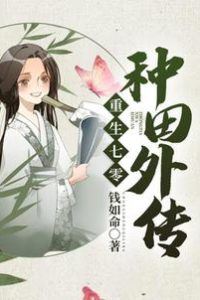
... Read More
I need to talk about Nie Xiaocui because THIS WOMAN is everything. On the surface she seems like just a typical poor rural mom — hardworking, sacrificial, quiet. But then in Chapter 7 she pulls out a bundle of small potatoes she spent the ENTIRE MORNING picking and washing, and just... gives them to Liu Yu. Like it's nothing. Like she didn't bend over in the fields before dawn. "You only had a bowl of soup tonight. I'm worried you'll be hungry." And Liu Yu's reaction? She's touched. She says thank you. And her mom literally gets annoyed that she's being formal about it. "You're my daughter. Who else should I pamper if not you?" This is the kind of maternal love that doesn't need grand gestures. It's in the potatoes. It's in the way she subtly shares a smirk with Liu Yu when Liu Li gets shut out at the dinner table. It's in how she and Liu Jianjia discuss giving the chicken to Wang Changping together as a unit, and she's bold enough to say it in front of everyone — "especially not to your grandmother!" — and her husband just... agrees. Just nods like it's the most normal thing in the world. Meanwhile the father Liu Jianjia is this quiet, soft presence. He doesn't say much but his actions speak. He helped his wife plow the field to find those potatoes. He looked at his daughter's bowl of porridge and his eyes filled with tears. This man is holding so much love and so much helplessness at once, and I just — Also can we discuss Liu Yu's relationship with her brother Liu Ye? The original Liu Yu was the family's punching bag, and now this new Liu Yu is already rewriting that script. She gave her brother a bun without hesitation. She noted internally that he "seemed like he had been picked up" — like he's been treated like gold while she was treated like dirt. And she made a silent promise to make it up to him. That's not just plot, that's emotional depth.
... Read More
Okay so I need to talk about this treasure basin because honestly it completely shifted the entire trajectory of the story for me. When Liu Yu discovers it can double potatoes in half a day, the whole plot suddenly opens up. Before that, she was just surviving in a hostile household, but now she has this secret weapon that could solve her family's food problems entirely. The math she does is kind of brilliant—ten pounds a day, three hundred pounds a month. That's not just survival, that's transformation. But what I love is how the author uses this discovery to drive the plot forward organically. Liu Yu doesn't just sit on it. She immediately starts testing it, trying different grains, and then has to steal corn kernels to experiment. That theft scene is actually a really clever plot device because it shows her resourcefulness AND creates tension—what if Liu Li catches her? What if someone finds out about the basin? The parallel storyline with Wang Changping is also working well. She's building a relationship with him while simultaneously trying to improve her family's situation. These two plot threads are starting to weave together, and I'm curious where they'll go. The author is setting up multiple layers of conflict here—family drama, survival stakes, and this budding connection with Wang Changping. It's a lot to juggle, but the plot feels coherent because everything connects back to Liu Yu's central goal: securing a better life for herself and her family.
... Read More
"How else can one be a good older sibling? Is it by constantly fulfilling unreasonable requests from your younger brother, ignoring the hard work of your family members?" This internal monologue from Liu Yu is PURE COMEDY GOLD. The author has crafted a narrative voice that's equal parts sharp, sarcastic, and deeply empathetic. Liu Yu's thoughts read like a modern person who's had enough of everyone's nonsense, and that tone is consistently maintained throughout. The dialogue between Liu Yu and her uncle is also fantastic. Look at this exchange: Uncle Liu Jianmin: "Big Brother, we're real brothers, raised by the same mother! Will you agree to raise our work points or not?" Liu Yu: "No! Uncle and Aunt, if you want higher work points, you can do as others do—go work in the fields and participate in collective labor! Otherwise, you won't even keep those three work points!" The uncle tries to use family loyalty as a weapon, and Liu Yu shuts it down with cold logic. Her uncle's response — "Pah!" — is such a perfect period-appropriate gesture of impotent rage. And then Liu Li's reaction: "You little brat, shut your mouth! Say another word and see what happens!" — the threat is so empty because everyone knows Liu Yu could physically handle her. The author also does something clever with the narration. It's not just reporting events — it's COMMENTING on them. When Liu Yu covers herself like a bandit to protect her skin, the narration goes into this whole internal debate about skincare in the 1960s. That anachronistic humor is what makes the reading experience so unique. It's not a dry historical novel — it's a modern consciousness dropped into a harsh reality, and the friction between the two creates both comedy and pathos.
... Read More
Let me sit with the symbolism of this copper basin for a moment because I think it's doing a lot of heavy lifting. On the surface, it's a classic transmigration trope — the golden finger, the cheat item that saves the protagonist. But the author is clearly using it to explore something deeper about scarcity, inheritance, and who gets to survive. The basin is a DOWRY ITEM from Liu Yu's mother, Nie Xiaocui. Think about that. It came from her mother's family, passed down through the maternal line. In a patriarchal society where the "big house" is being systematically drained by the "third family," this object from the mother's side becomes the literal source of survival. The mother's lineage — the lineage that was apparently strong enough to provide a brass basin with magical properties — is what saves the family. And the potatoes themselves are significant. In a period where people are literally starving, where Liu Yu's mother can't even get potato SKINS from the production team, a basin full of potatoes represents not just food but HOPE. It's the idea that the universe (or whatever force brought Liu Yu here) is finally on the side of the hardworking, the oppressed, the family that has been taken advantage of for too long. There's also the symbolism of Liu Yu's transformation. She was described as a "delicate young lady" before, and now she's "dressed like a bandit," swinging a hoe, confronting her enemies. The basin multiplies food; Liu Yu multiplies strength. Both are about transformation and reclaiming power. The story seems to be asking: what happens when the oppressed person finally stops being patient and starts fighting back? What happens when the good daughter becomes a FIERCE daughter?

Leave a comment

You must be logged in to leave comments. or
