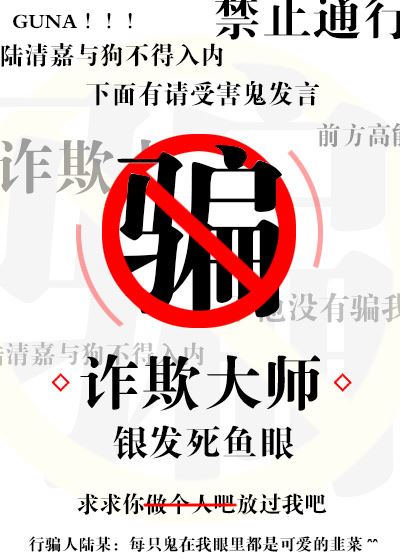
This chapter is essentially a masterclass in triangulating desire and power. Zhong Liyu, Lu Qingjia, and Ji Yu aren't just characters—they're forces in collision, each representing a different way of loving, losing, and letting go.
Zhong Liyu is the most tragic figure here. He's the one who loves sincerely, who has been through countless copies, who watches from the sidelines as the person he cares about plays games with him. His ability to print photos of deeply impressed scenes is both a curse and a comfort—it lets him preserve moments that would otherwise fade, but it also means he's forever watching echoes of interactions he couldn't fully participate in. When Game calls him a lovesick fool, there's a brutal honesty to it.
Lu Qingjia, meanwhile, is the seducer who discards. His line about novelty periods is devastating because it's so casually cruel—he's not even trying to hide his nature. But here's what's fascinating: he's aware of his own patterns. When he says “Just like me,” he's not boasting; he's confessing. This self-awareness makes him more complex than a simple villain.
Ji Yu occupies this strange middle ground. He's neither the devoted lover nor the playful seducer—he's the observer who notices everything, the one who sees Lu Qingjia's patterns and can't quite look away. His reaction to the watch scene—hesitating before letting go—speaks volumes about his internal conflict.
The relationships here aren't static. They shift, crack, rebuild. Every interaction reveals something new about who these people are and how they relate to power, loss, and desire.