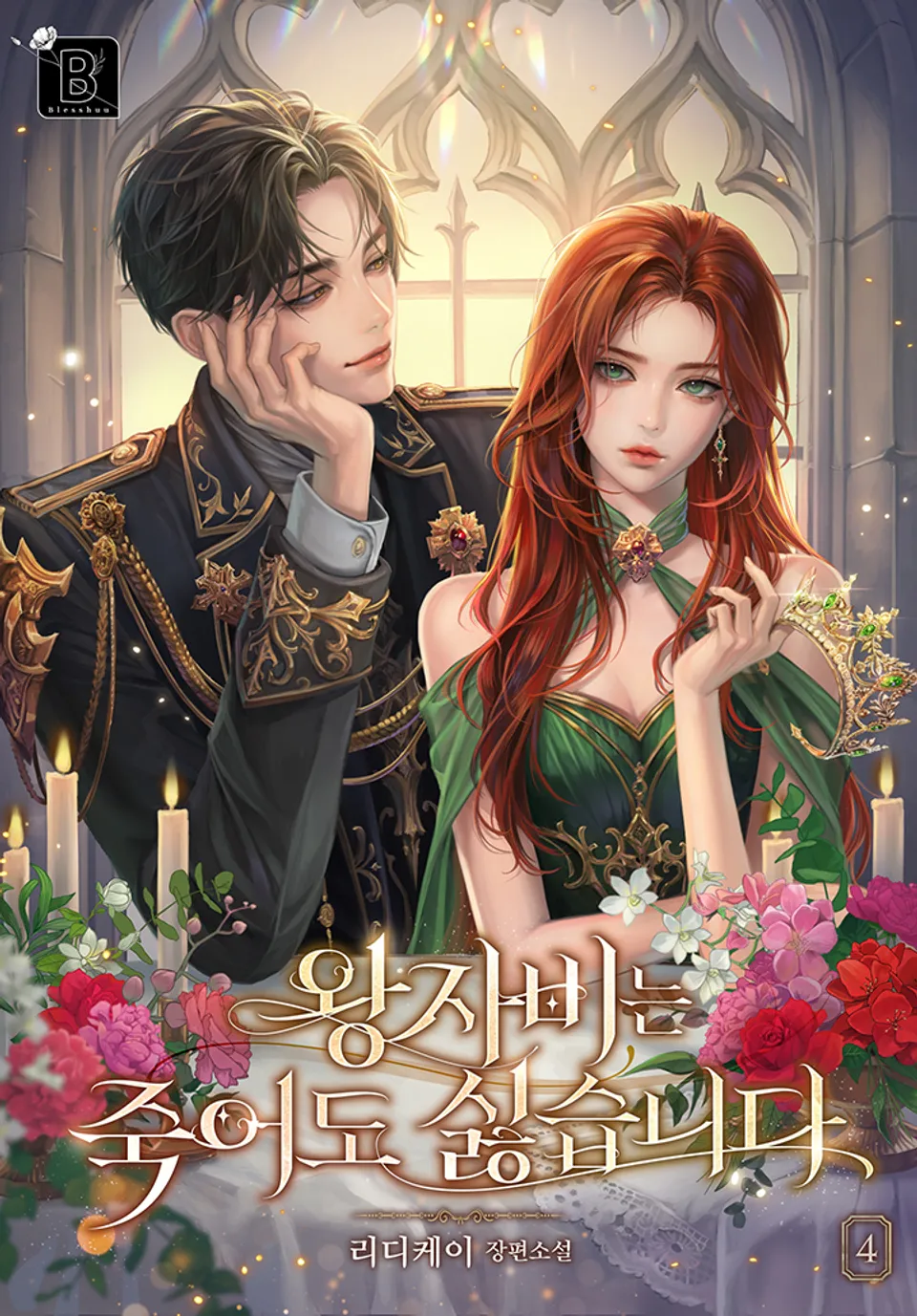
There are so many layers running beneath the surface of these chapters that I keep finding new ones on rereads.
The brooch is the obvious symbol, and it's doing more work than most people would give it credit for. It belongs to Blair's dead fiancé Allen. It represents her grief, her loyalty, her past life. Kalintz holds it hostage not because he wants the jewelry but because he wants to force her to acknowledge that her past is now entangled with his present. The amethyst itself—purple, the color of royalty, of mourning, of mystery—is a perfect choice. And when he waves it at her as she walks away, it's almost like a taunt: I hold your past in my hand, and I'm not even pretending it doesn't give me power over you.
But the real symbol that haunts these chapters is the Withered Garden. We've heard it mentioned, whispered about, used as both carrot and stick. A garden that is withered—that's not accidental naming. It suggests something beautiful that has been drained of life, or perhaps something that was never allowed to flourish. Blair is being offered a place in this garden, and she doesn't fully understand what that means yet. The parallel with the deposed princess consort who lived out her days in exile at Lis is crucial here. Both women are being offered safety in return for something they haven't fully agreed to. Both are walking into a story whose ending they can't see.
Then there's the theme of appearances versus reality, which is basically the operating system of this entire palace. Olivia appears to be the wronged party and she is—but her methods are becoming increasingly questionable. Blair appears to be a harmless frons and she's actually far more dangerous than anyone realizes. Kalintz appears to be a charming opportunist and he's genuinely, dangerously interested in Blair. The queen appears to be merely curious and she's actually building a case. Everyone is performing, and the question is who is performing best.
The poisoning rumor itself is a brilliant narrative device thematically. It takes the baseless accusations that float through palace corridors and makes them almost believable. A viscount's daughter with money but no power, rising too fast, suspected of murdering a noblewoman to seize her position—it's the perfect story for a jealous court to believe. And the fact that Blair actually was somewhere suspicious (the lake, sneaking through walls) makes her genuine innocence look suspicious by association. Guilt by proximity. Guilt by circumstance. The system doesn't require proof—it requires a convenient narrative.
And underneath all of this is the question of consent and agency. Blair is being offered a contract. She has options, but they're all bad options. Stay and risk execution or exile. Leave and face uncertainty. Marry a prince she barely knows and become a political tool. The theme here is that in a world structured this way, women's choices are always circumscribed by the power of men and the expectations of institutions. Blair's struggle isn't just about survival—it's about finding any sliver of autonomy within a system designed to deny her one.
The final image of the queen's unfinished question—"Is there something you cannot say"—crystallizes all of these themes. Blair has secrets. She must keep them. But keeping them makes her look guilty. Speaking them would destroy her. The palace is a trap, and every path forward requires some version of truth to be sacrificed.