I Woke Up and Got Married - Reviews

I Woke Up and Got Married
+Add to Custom List
Sort
Add review
... Read More
The dialogue in these chapters is surprisingly sharp. Lu Zhiyue in particular has this incredibly distinctive voice—he's cold, precise, and somehow manages to be both gentle and devastating at the same time. Take this exchange: when Chi Suinian tells him to get out, and Lu Zhiyue just sits there like he's glued to the chair and then asks 'Did you really lose your memory?' The casualness of it. And then when Chi Suinian explodes and says he didn't lose his memory, Lu Zhiyue goes: 'Oh. Then you're just trying to love and leave me.' BRO. HE EVEN MADE IT RHYME. I had to stop reading and just stare at my phone. The author clearly put effort into making Lu Zhiyue's voice different from everyone else's. Tang Jin, for comparison, sounds completely different—warm, hesitant, always trailing off with ellipses like 'You—' and 'Just... go easy on him.' His dialogue is full of concern and awkwardness. Chi Suinian's internal monologue is its own thing entirely—sarcastic, furious, exhausted. The contrast between his external silence and his internal screaming is where the real comedy lives. 'Lu Zhiyue can go to hell' is such a perfect internal scream. And the murder-and-hiding-a-body joke with Tang Jin? That's peak Chi Suinian humor—deadpan even when he's genuinely distressed. The narrative voice itself is close third-person, stuck firmly in Chi Suinian's head, which means we get all his fury and frustration but also his vulnerability in these moments where he's too weak to fight back physically. It's honestly hilarious how effective this dynamic is.
... Read More
Every conflict in this chapter operates on at least three levels simultaneously and the author is playing 4D chess while the characters are stuck in a fistfight. Level one: the corporate battle. Chi Kaidong and Chi Mingyao controlling 90% of shares, planning to infiltrate the board, trying to seize Chihao. This is the plot-level conflict, the one driving the external action. Level two: the father-son abuse dynamic. Chi Kaidong literally says he expects Suinian to be 'obedient' the way he was as a child. He's not here to reconnect — he's here to recalibrate a pet he abandoned. The stakes here are Suinian's autonomy, his sense of self, whether he'll be pulled back into the victim role. Level three — and this is the one that haunts me — the stakes around Chi Suinian's identity. Qin Suitian's entire worry about whether Suinian will 'break down' reveals what's really on the line. It's not about shares or board seats. It's about whether the abused child inside him is still alive, lurking beneath theCEO facade. The author raises the stakes masterfully by letting Suinian WIN the immediate confrontation — he humiliates Chi Kaidong publicly, throws hot tea, storms out like a king — but then undercuts it completely with Chi Kaidong's final line. The victory is temporary. The father-son dynamic hasn't shifted; it's just revealed its true shape. And now Chi Kaidong knows exactly which buttons to press. Next time, it won't be about manners. It'll be about making Suinian 'lie down and obey.'
... Read More
Okay so let me just start by saying this chapter is a masterclass in how to build emotional pressure through miscommunication, and I am here for it. The entire arc in these chapters basically runs on one phone call — Lu Zhiyue calling Chi Suinian, assuming the worst, drinking himself into a stupor, and then the physical consequence of that assumption playing out in real time. That's it. That's the plot. And it works so well because every single beat feels earned. The setup with Ning Chen is brilliant because it gives Lu Zhiyue a credible reason to spiral. You have this guy who's clearly close to Chi Suinian, warm and domestic and making dinner — and Lu Zhiyue is on the other end of the phone hearing all of this indirectly. The author doesn't even need to show Lu Zhiyue's side of the call. We just get Chi Suinian's furious reaction and the aftermath. That's smart storytelling. Then the pivot to the Lu family villa — suddenly we're in this heavy, alcohol-scented atmosphere and Chi Suinian goes from rage to reluctant caretaker. The plot doesn't just move forward; it compresses. All the tension that built over hundreds of chapters gets funneled into one room, one conversation, and ends on this devastating two-finger question. Lu Zhiyue says three. Chi Suinian presses his chin and asks the real question. And the chapter ends mid-sentence. Not even a proper cliffhanger — just an abrupt stop that leaves you choking. Is this the moment everything changes? Or is the author going to drag this out longer?
... Read More
The atmosphere in these chapters is SO carefully constructed. Let me walk through the scenes because the environmental storytelling is genuinely impressive. First, the Chi family villa. Standing before a grand mansion he's lived in for twenty-five years, now sealed with a court notice. The description makes you FEEL the emptiness of it—not just the physical space but the symbolic weight. Twenty-five years of his life, gone. "Tangible presence of bankruptcy" is such a precise phrase. You can almost see him looking at the sealed door and feeling his entire identity crumble. Then Qin Suitian's apartment. Custom-made furniture, cozy lived-in vibe, contrasting with his meticulous work style. The wine glass, the robe thrown over his shoulders—this is a man who curates comfort. There's an intimacy to the description that makes you believe this world exists beyond the pages. And the final scene—midnight, rain stopped, damp cool air, neon lights reflecting on wet streets, empty roads. Chi Suinian standing crookedly, trying to hail a taxi that never comes. The imagery here is almost cinematic. A fallen wealthy man on a stranger's street at midnight, phone dead, money gone. The city that once served him now has no place for him. Every setting mirrors Chi Suinian's internal state. The sealed house = sealed fate. The rain = the storm brewing inside him. The empty streets = his isolation.
... Read More
This chapter is a masterclass in building tension through seemingly unrelated scenes that eventually collide. It opens with Lu Zhiyue's WeChat conversation—which on the surface is just casual jealousy about photos. But the author uses it as a quiet setup. We're feeling this low-level irritation, this minor conflict. Nothing explosive yet. Then we cut to Chi Suinian in the car with Tang Jin, having this almost breezy conversation about Chi Mingyao and Chi Yu. The pacing here is deliberately slow, almost lazy. Tang Jin's joke about staying in a wheelchair extra days for female attention adds humor and lightness. We think we're in a comfortable, easy rhythm. But then—bam. Ding Xuxing appears. The pace accelerates instantly. Every line he speaks raises the temperature. 'Didn't you end up selling yourself to Lu Zhiyue because Chihao went bankrupt?'—that's the moment the chapter pivots from social drama to full-on confrontation. What I love is how the author controls the reveal. Ding Xuxing drops the rumor slowly, watching reactions, letting people whisper. The booth goes silent. Then Chi Suinian's response isn't dramatic shouting—it's physical action. The wine bottle smash is the release valve for all that built-up tension. And then immediately after? Zhao Yunzhen steps in, deflects, tries to restore normalcy. The chapter doesn't end on the confrontation—it ends on the awkward aftermath. That's smart structural work. It gives us closure on the fight but leaves us sitting in the discomfort of what just happened.
... Read More
There are two separate nooses tightening around Chi Suinian and I'm not sure the author realizes how perfectly they mirror each other. On one side: the emotional trap. Confucius confessed to him. He's conflicted. He ran from Lu Heng's question because he doesn't want to admit that maybe, just maybe, part of him is already compromised. Lu Zhiyue is the physical manifestation of this trap—calling repeatedly, invading his space, turning every interaction into another thread that binds him tighter. Chi Suinian thinks he can resist, can flee, can compose his face to look bad enough that Lu Zhiyue gives up. But the text keeps showing us that resistance itself is a form of engagement. Every angry response is still a response. Every time he answers the call (even to yell), he's feeding the dynamic. On the other side: the corporate trap. Chi Mingyao, his own family blood, buying up shares, meeting secretly with lawyers at a villa in Pingcheng. Someone is guiding him. This isn't just business rivalry—it's betrayal from within the family structure. The stakes here are literal ownership of everything Chi Suinian has built. What makes this so tense is that these two conflicts are probably connected. Why would a rival family member be moving against Chihao at the exact moment Chi Suinian's personal life is becoming complicated? The author hasn't revealed the link yet, but the structural parallel is screaming at me. Chi Suinian is being besieged on two fronts and neither front gives him room to breathe.
... Read More
The setting in this passage transforms from mere backdrop to active participant in the emotional drama. The hotel, described initially as eerily quiet with few tourists, becomes a stage for Lu Zhiyue's calculated isolation of Chi Suinian. The contrast between the peaceful mountain environment—the weak glow of a single wall lamp, the occasional croak of frogs—and the tense domestic negotiation between the two men creates a vivid sensory experience. When Chi Suinian searches his phone and discovers every room marked 'sold out,' the reader gains awareness of the artificial scarcity Lu Zhiyue has created, making the location feel complicit in the manipulation. The transition to the lakeside barbecue setting introduces new visual elements—the night sky, the young woman's denim suspender dress, the tree where two girls playfully push each other—creating a layered environment that mirrors the social dynamics at play. The dimly lit room, with only a wall lamp casting weak light, becomes intimate space where defenses lower and true natures emerge. Even the laptop on Lu Zhiyue's lap serves as a prop in this domestic theater, symbolizing the work-life boundaries he's willing to blur for his purpose. The setting doesn't just house the action—it shapes it, determines the mood, and reflects the emotional temperature of the characters' interactions.
... Read More
This is what I call 'lethal pacing.' The author knows exactly when to accelerate and when to let a beat breathe, and the result is a sequence that reads faster than its word count. Let me break down the rhythm: It opens IN MEDIO RES with Chi Suinian's internal panic about how the meeting started. Immediate stakes, immediate discomfort. Then Pang Mingda's arrival pivots the scene into expository territory — but the author smartly embeds the exposition inside dialogue and social obligation rather than narration. We learn about Lu Zhiyue's marriage, his reserved personality, his family history, all through banter that moves at sprint speed. The marriage reveal itself lands with perfect comedic timing. 'Cough! Cough, cough, cough.' Three words of internal narration after Pang Mingda's question, and the image of Chi Suinian literally drowning in water is both funny and revealing. The author doesn't overstay this beat — it's quick, sharp, and immediately propels us into the next escalation: the wedding discussion. Then comes the Lin Weixing entrance, which is a masterclass in pacing pivot. One moment you're laughing at Lu Zhiyue's shamelessness, the next you're squirming because the air in the room just changed. The transition from comedy to something heavier is handled almost imperceptibly — Lin Weixing doesn't burst in dramatically, he just appears, and the shift in energy is entirely internal. The final exchange between the three men is where the pacing really shines. Short lines, rapid fire. Lu Zhiyue claiming they have plans. Lin Weixing offering more options. Chi Suinian's mounting frustration. Each beat shorter than the last, creating a crescendo that the chapter cut-off amplifies perfectly. The only minor note: the transition into Chapter 34 (Lin Weixing's POV) feels slightly abrupt compared to the fluid flow of the previous chapter. But honestly, that jarring shift mirrors the emotional whiplash Lin Weixing himself is experiencing, so it works on a thematic level at least.
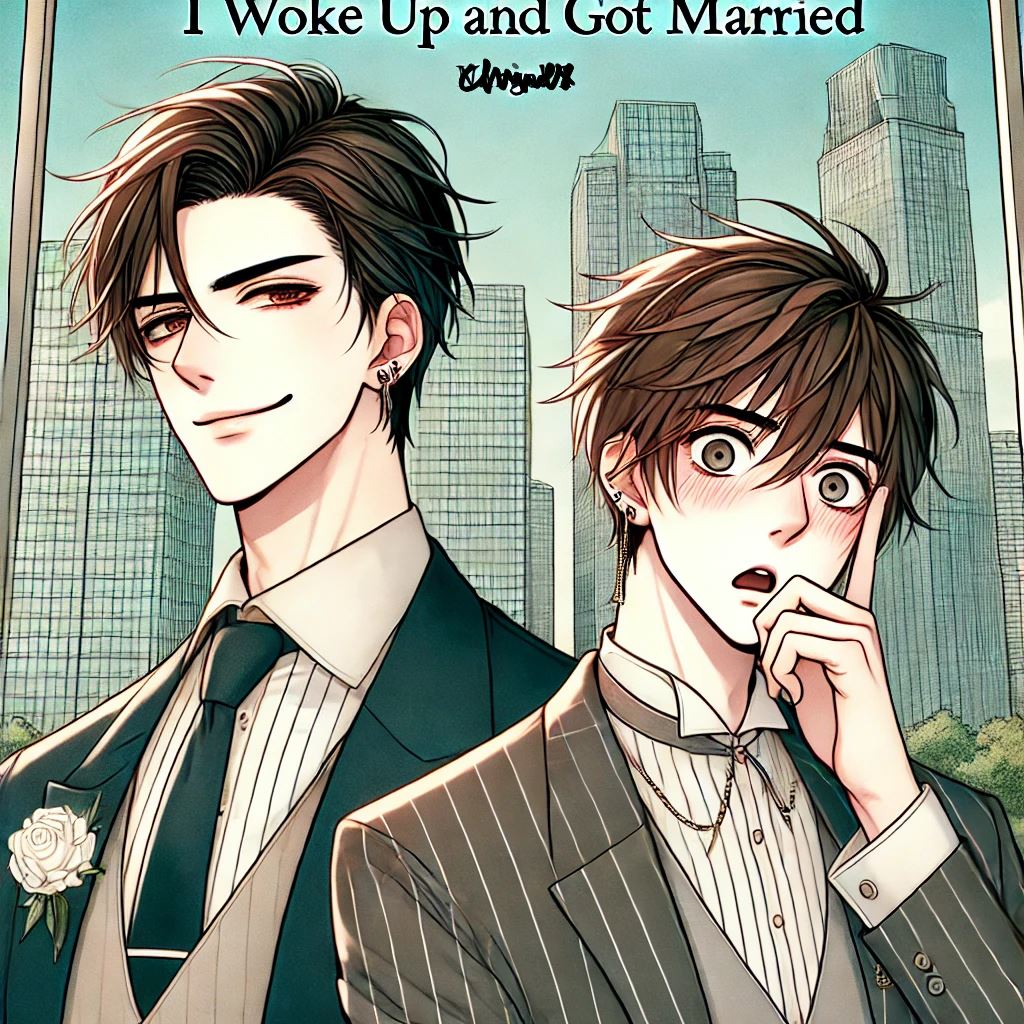
... Read More
There are SO many layers of symbolism packed into these chapters. Let me unpack a few that really stuck with me. The sealed house. This isn't just a plot point—it's the central metaphor for Chi Suinian's entire situation. His old life is sealed off, he can't go back, and the only way forward goes through the person he's trying to escape. The court seal on his door is literally the same thing happening in his emotional life: everything he built is now restricted, forbidden, out of his control. The rain. Of course there's a storm. But it's not just atmosphere—the rain stops RIGHT before Chi Suinian is most alone on that street. Like the universe is saying "fine, I'll let you have your dramatic moment now." The timing is almost cruel. The wine spill. Spilled wine = spilled secrets. The bright red liquid spreading across the table mirrors how Chi Suinian's carefully controlled facade is finally cracking. He couldn't even hold his drink when the truth about Lu Zhiyue was mentioned. And maybe most importantly: the two million yuan. Tang Jin's entire life savings, offered freely, is simultaneously everything and nothing. It represents genuine human connection and care in a world where everything else has been quantified, mortgaged, and sold off. It's the only unsealed thing in Chi Suinian's life right now—and honestly, maybe the only thing worth saving.
... Read More
The visual composition of this entire scene is gorgeous and I am obsessed. Let's talk about the lighting first—"Under the bright daylight, with a clear sky"—this is such an intentional choice by the author. They're having this raw, messy, emotionally violent confrontation in FULL DAYLIGHT. No shadows to hide in, no darkness to soften the edges. Every expression is visible, every micro-movement caught in the light. And then the blinds! Chi Suinian can see the employees outside through the gaps, creating this frame-within-a-frame effect where his private breakdown is simultaneously public spectacle. It makes the scene feel claustrophobic even though it's taking place in a spacious office. I especially loved the detail about Chi Suinian's fingertips turning white when he grips the documents—that tiny physical detail tells us everything about his internal state without the narrator having to explain it. And then later when he's fanning himself with his collar, his pale skin and defined collarbones flickering in and out of view? The author is giving us a full cinematic experience here. The office lounge itself feels like a character—the formal business setting contrasting with the intimate, almost violent nature of what's happening between these two men. The broken pen lying on the floor, the crumpled contract tossed into the trash, Lu Zhiyue picking up the remnants of Chi Suinian's desperate attempt and discarding them casually. Every object in this room has meaning. Even the knock at the door at the end introduces a new sonic element that shatters the charged silence. This is worldbuilding through atmosphere and I swear the author reads my notes because I felt like I was right there in that office sweating along with Chi Suinian.
... Read More
There's so much going on symbolically in this chapter that most readers probably miss on a first read, and I need to unpack it. Let's start with the contract itself—Chi Suinian brings this formal document, this legal framework for borrowing money, as a way to maintain some semblance of control and professionalism over an deeply personal situation. He's trying to turn his desperation into a business transaction because the alternative—admitting he needs help from the man he hurt—is too painful. When Lu Zhiyue crumples it and throws it away, he's literally rejecting the idea that their relationship can be reduced to a loan agreement. That crumpled paper represents everything Chi Suinian is trying to suppress: his vulnerability, his need, his inability to just walk away. And then the broken pen—Chi Suinian snapping it in half when Lu Zhiyue says "Kiss me and I'll give you whatever you need." That's not just frustration, that's the physical manifestation of something breaking between them. Every object in this scene mirrors their emotional state. The blinds are particularly significant—they represent the boundary between public and private, between what these two men show the world and what they hide from each other. Lu Zhiyue pulling them open while pinning Chi Suinian is an act of refusal to let anything stay hidden anymore. He's done with secrets, done with pretense, done with the careful distance they've maintained. The amnesia itself is the ultimate symbol—Chi Suinian literally cannot access the shared memories that would explain why Lu Zhiyue is this broken, this angry, this desperate for acknowledgment. It's not just a plot device, it's a metaphor for how relationships can fracture in ways that leave one person carrying all the weight of history while the other pretends it never existed. And that line—"As if it never happened"—is the tragedy at the heart of everything. Some things can't just be erased, no matter how much you want to forget them.
... Read More
The symbolism in these chapters is so rich it almost hurts. Let's start with the flowers because they're doing SO MUCH work. Lilies versus sunflowers—it's not just an aesthetic debate. Lilies, which Chi Suinian calls tacky, are what Lu Zhiyue gave him. Sunflowers, which Lu Heng brings, represent vitality and quick recovery. But Chi Suinian choosing to take the lilies home reveals everything about his internal conflict: he claims to dislike Lu Zhiyue's taste, but his actions betray that he values the gesture beneath the presentation. And then the cars—Lu Zhiyue modifying every single one of them after Chi Suinian's accident, secretly, without ever mentioning it. This is love language as infrastructure. The man built safety into every vehicle without asking for credit. Meanwhile, Yuan An's sudden appearance at the hospital with a whiff of fragrance, ignoring Lu Zhiyue entirely to focus on Chi Suinian and the lilies, introduces the theme of competing for attention and affection. Who deserves to be remembered? Who gets to keep the flowers? The story keeps asking these questions without ever stating them directly.

Leave a comment

You must be logged in to leave comments. or
