There's so much going on beneath the surface in these chapters that I want to unpack. The mirror motif alone could fill an essay.
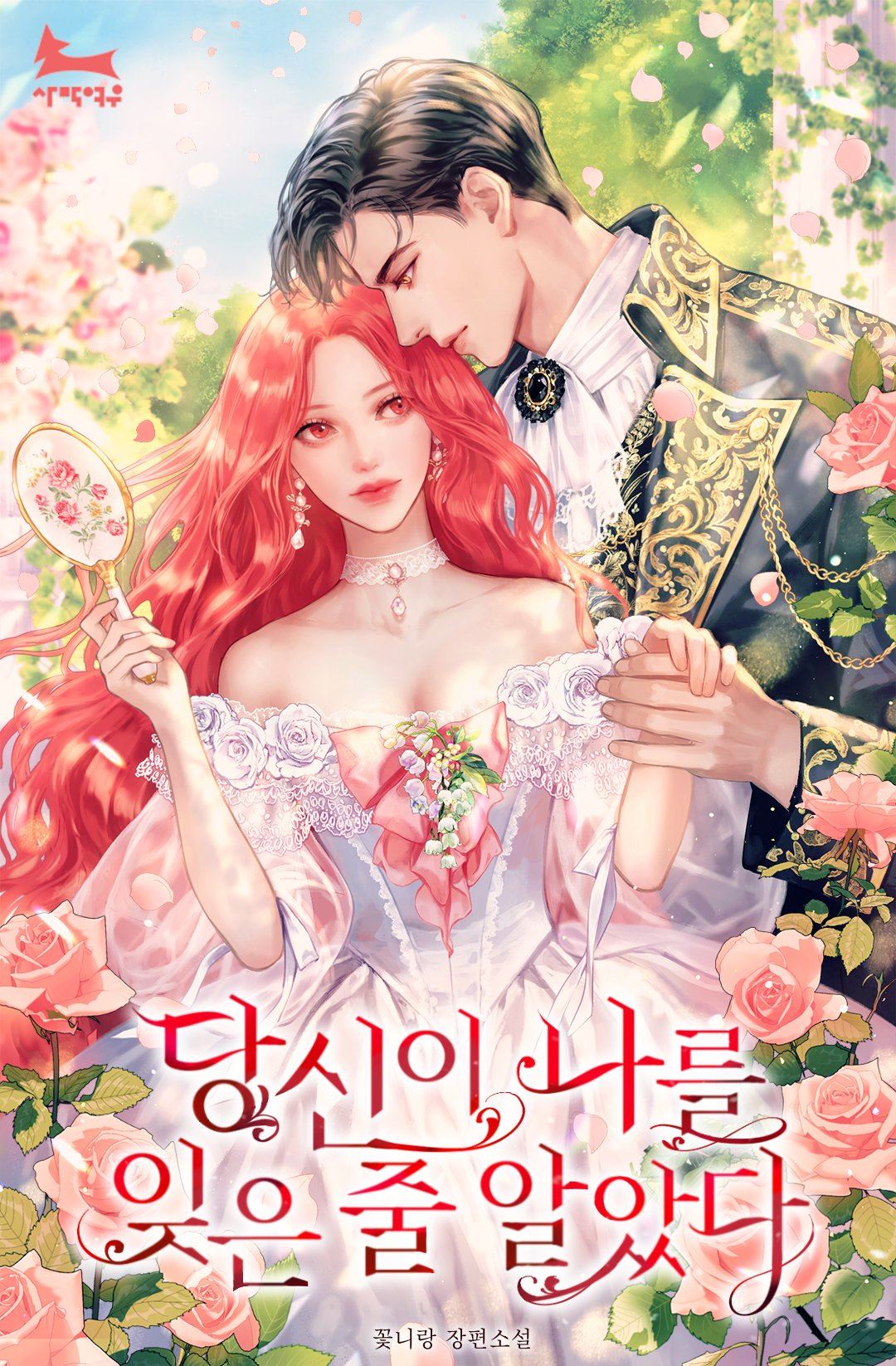
The magic mirror is EVERYTHING here. It was Karlea's former self — a servant who observed, recorded, and reported. Now it's bound to a new host, and its ability to project astrally becomes the vehicle through which Karlea discovers the truth about El. But mirrors have always been symbols of identity, reflection, and duality. She literally sees her old body from the outside while inhabiting it. She looks into the hand mirror decorated with flowers and her vision flips — the reflection becomes the real world. The mirror doesn't just show images; it shows TRUTH. And what it shows is that the emperor, the most powerful person in the empire, is suffering in private while performing strength publicly.
Then there's the blood in Karlea's diary. A dark red smear on the corner of a leather notebook. Whose blood is it? We don't know yet, but the implication is clear — this isn't just a record of petty cruelties and revenge fantasies. This is evidence of something worse. The diary represents Karlea's past life, the sins of the woman whose body she inhabits, and the blood is the physical trace of consequences she'll have to face. She reads through it hoping to find helpful information and instead finds 'how bad Karlea's personality was.' The tragedy is that she's trying to be better than the original, but she's trapped inside someone else's wreckage.
And the names — Kraniel vs. El vs. Lea. He calls her 'Lea' when he's alone with Aizen, and the name visibly affects everyone who hears it. Aizen stutters. The text specifically notes 'At that title, Aizen stuttered.' This is the emperor's intimate name for her, and it carries weight because it's used in a moment of raw honesty. Meanwhile, 'Your Majesty' and 'emperor' are the titles everyone else uses — formal, distant, filled with fear. The naming hierarchy mirrors the power hierarchy, but Karlea keeps slipping between them, not knowing which version of him she's actually talking to.
The final image — the hooded woman in his bedroom, the words 'Your Majesty' spoken with familiarity rather than reverence — it all points to a theme: beneath the labels and performances, these characters are just people trying to survive each other. The emperor is sick. The fake fiancée is actually caring. The confidant is terrified. None of them are what they appear to be.